
French ship crosses Strait of Hormuz in first Western European transit during Iran war
A vessel owned by France’s CMA CGM has become the first ship tied to Western Europe to cross the Strait of Hormuz since the outbreak of the Iran war in late February, according to ship tracking data.
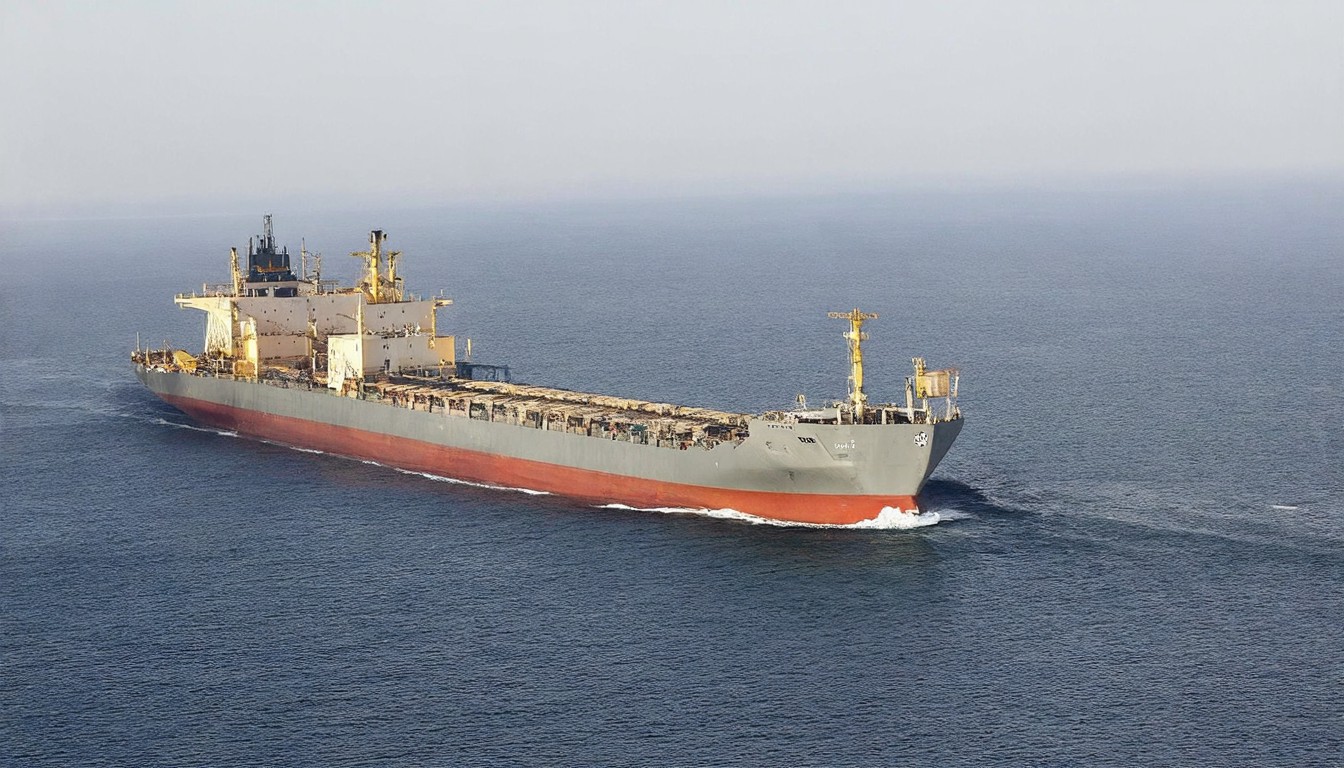
In a significant development amidst the ongoing tensions in the Middle East, a French-owned ship has made history by becoming the first vessel linked to Western Europe to transit the Strait of Hormuz since the escalation of the Iran war in late February. The crossing, which took place on March 15, was closely monitored by global maritime and geopolitical analysts, highlighting the precarious state of the region's strategic waterways.
The vessel, named the "MSC Gülsun," is operated by the French conglomerate CMA CGM, one of the world's largest container shipping companies. The ship, carrying a cargo of goods from the Persian Gulf, sailed through the narrow Strait of Hormuz without incident, navigating the treacherous waters that have long been a flashpoint in regional conflicts. This transit marks a rare instance of normalcy in a region that has been on high alert since the outbreak of hostilities between Iran and its adversaries.
The Strait of Hormuz, a crucial chokepoint for global oil and gas shipments, has been a focal point of concern since the Iran war began. Its strategic importance stems from the fact that approximately 30% of global crude oil production, including a significant portion of Iranian oil, passes through this narrow waterway. The strait's narrowness, combined with its high volume of maritime traffic, makes it a prime target for potential disruptions, as evidenced by past incidents such as the 2019 attack on two Saudi tankers.
The MSC Gülsun's successful transit is particularly notable given the heightened tensions and increased naval presence in the region. Since the start of the Iran war, several countries have issued warnings about the potential for maritime incidents in the Strait of Hormuz. The United States, in particular, has deployed additional naval forces to the area to deter any hostile actions by Iran. This has led to a tense standoff, with both sides occasionally engaging in provocative maneuvers.
The French government has not publicly commented on the MSC Gülsun's crossing, but the event underscores the resilience of global trade and the adaptability of shipping companies in navigating volatile geopolitical environments. CMA CGM, known for its extensive network and operations in the region, has likely taken extra precautions to ensure the ship's safety. The company's decision to proceed with the transit suggests a calculated risk, reflecting the critical nature of maintaining supply chains amidst geopolitical uncertainties.
The transit of the MSC Gülsun also raises questions about the broader implications of the Iran war for maritime trade. While the ship's successful passage may provide a temporary reassurance, the long-term stability of the Strait of Hormuz remains uncertain. The ongoing conflict could lead to further disruptions in the region, potentially impacting global energy markets and trade routes.
In the aftermath of the MSC Gülsun's crossing, analysts are expected to assess the implications of this event on regional security and maritime trade. The incident serves as a stark reminder of the delicate balance required to navigate the complex geopolitical landscape of the Middle East, where the actions of a single vessel can have far-reaching consequences. As tensions continue to mount, the international community will closely watch the developments in the Strait of Hormuz, hoping for a resolution that can ensure the safe and uninterrupted flow of goods and the stability of global markets.








