Home HealthFree health clinics hindered by state laws...
HealthтнР Featured

Free health clinics hindered by state laws

A patchwork of state licensing rules prevents medical volunteers from reaching more patients in need through RAM.
6 April 2026 at 07:39 pm
1 views
Free health clinics hindered by state laws

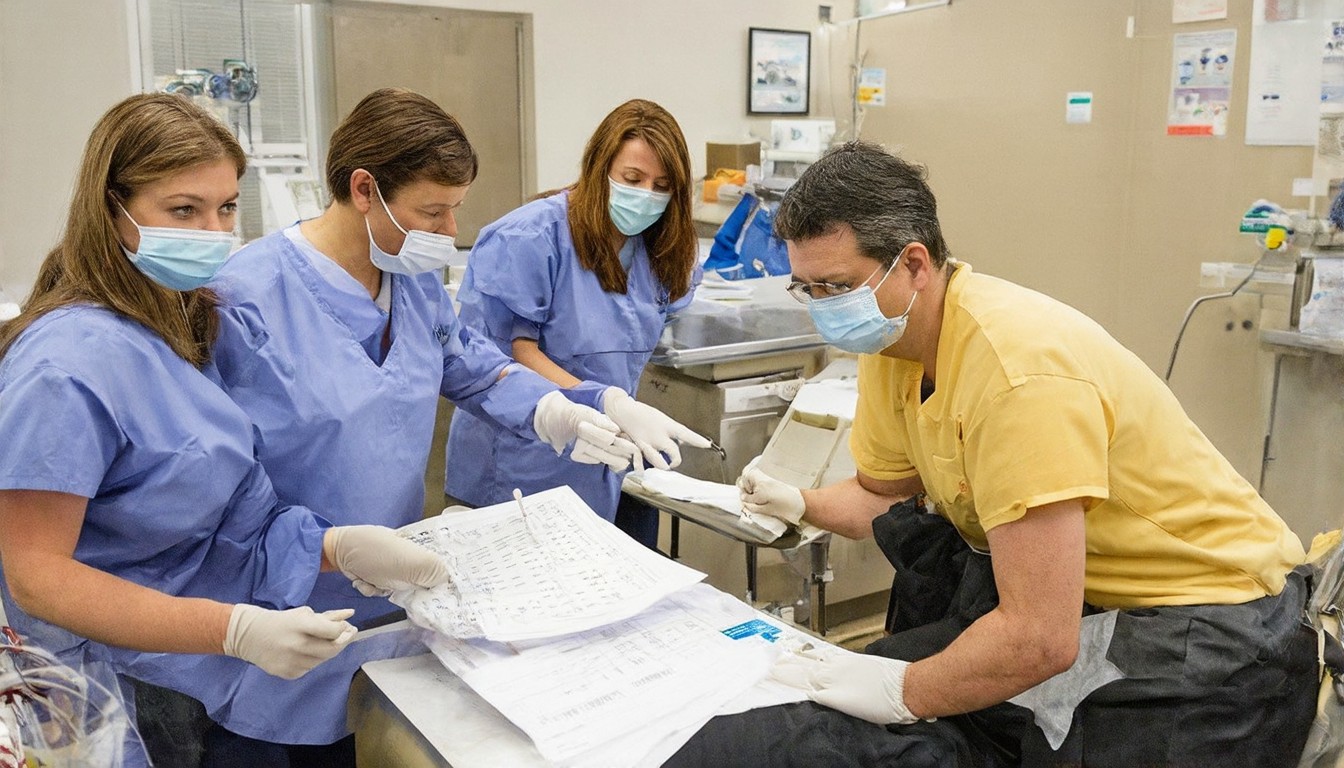
In recent years, the rise of mobile health clinics and volunteer-driven healthcare initiatives has offered a lifeline to underserved communities, providing essential medical services to those who might otherwise go without. One such organization, RAM (Rapid Assistance Medical), has been at the forefront of this movement, offering free healthcare services to people in need. However, the potential of these initiatives is being stifled by a complex web of state licensing rules that are making it difficult for medical volunteers to operate effectively.

RAM, which operates mobile clinics across several states, relies heavily on the contributions of medical professionals and volunteers who are passionate about providing care to those who cannot afford traditional healthcare. These volunteers often work under the assumption that their skills and expertise would be recognized and regulated in a consistent manner across different states. But in reality, the patchwork of state licensing requirements has created significant barriers, limiting the reach of these clinics and the number of patients they can serve.

The issue stems from the fact that each state has its own set of regulations governing the practice of medicine, including the licensing of healthcare professionals. For instance, some states require medical volunteers to obtain a temporary license, while others impose restrictions on the types of procedures they can perform. These variations not only add administrative burdens but also create inconsistencies in the quality and scope of care provided.

Moreover, the process of obtaining these licenses can be time-consuming and costly, often requiring medical volunteers to undergo additional training or testing. This not only deters potential volunteers but also limits the flexibility of the clinics, as they may struggle to adapt to the changing needs of their communities.

The impact of these state laws is most felt in rural and underserved areas, where the demand for healthcare services is often highest. In these regions, mobile clinics like RAM's are often the only source of medical care available, yet the licensing hurdles make it challenging for these clinics to operate efficiently. As a result, many patients are left without the necessary medical attention, exacerbating existing health disparities.

RAM and other similar organizations have been advocating for the harmonization of state licensing laws to facilitate the smooth operation of mobile clinics and volunteer-driven healthcare initiatives. They argue that a more unified approach would not only make it easier for medical volunteers to provide care but also ensure that patients receive consistent, high-quality services.

However, achieving this harmonization is a daunting task, given the diverse political landscapes and regulatory priorities of individual states. Some states may prioritize strict licensing requirements to protect against medical malpractice, while others may focus on streamlining processes to encourage the growth of healthcare access.

Despite these challenges, there are signs of progress. Some states have begun to explore ways to simplify the licensing process for medical volunteers, while others have introduced legislation that would allow for the temporary practice of medicine in certain circumstances. These steps, though incremental, represent a positive shift in the direction of making healthcare more accessible to all.

In conclusion, the patchwork of state licensing rules poses a significant obstacle to the effectiveness of mobile health clinics and volunteer-driven initiatives like RAM. While these clinics have the potential to reach thousands of patients in need, the current regulatory landscape is hindering their ability to do so. As healthcare access remains a critical issue, it is imperative for policymakers to address these challenges and work towards a more unified and flexible regulatory framework that supports the growth of these vital services. Only then can the full potential of these initiatives be realized, ensuring that everyone has access to the healthcare they deserve.

ЁЯУ░ Related News
The Rise and Sudden Fall of OpenAIтАЩs Sora
OpenAIтАЩs abrupt decision to shut down its AI video generation app, Sora, just 103 days after launch has sparked widespread debate about the companyтАЩs strategic direction and financial health. Despite a $1 billion partnership with Disney and a viral debut thatтАж
13 Apr
St. LukeтАЩs stays on track with massive expansion
St. Luke’s Medical Center continues to absorb higher costs brought about by the ongoing Middle East crisis as much as it can, with the company staying on track with massive investments for expansion and technology upgrades.
7 Apr
Granulated Lime vs. Bulk Lime: WhatтАЩs the Difference?
Understanding the type of lime required for your soil can significantly impact your crop yield and overall soil health.
7 Apr
Can surgery used to treat fluid accumulation also help with AlzheimerтАЩs? A Singapore trial is exploring this possibility
Early results from a small clinical trial at Changi General Hospital suggest the technique could lead to improvements in memory, mood and cognition.
7 Apr
Famers hear how to тАШLook after your health and your herdтАЩ at latest meeting of Grassland Club
The members of Fermanagh Grassland Club were in for a treat in March when eminent qualified doctor and vet, Professor Patrick Wall, Dublin, was the speaker at their meeting in the Killyhevlin Hotel, Enniskillen.
7 Apr
ICMSA: HSA rules on telescopic telehandlers тАШway over the topтАЩ
The vast majority of farmers are completely unaware that training is now required under Health and Safety Authority (HSA) telescopic telehandlers rules, according to farm organisation. Pat OтАЩBrien, chairperson of the farm business committee for the Irish Creamery Milk Suppliers Association (ICMSA) has criticised requirements for training from the Health and Safety Authority (HSA). Under […] The post ICMSA: HSA rules on telescopic telehandlers ‘way over the top’ appeared first on Agriland.ie .
7 Apr
ICSA: тАШAdditional supportтАЩ needed for bluetongue vaccination
Bluetongue vaccination must be supported as “an additional measure” and not at the expense of core animal health actions, the Irish Cattle and Sheep Farmers’ Association (ICSA) has warned. Last month the Minister for Agriculture, Food and the Marine, Martin Heydon said that vaccination against bluetongue virus would be included as an “option” for farmers […] The post ICSA: ‘Additional support’ needed for bluetongue vaccination appeared first on Agriland.ie .
7 Apr
AWS Weekly Roundup: Amazon Connect Health, Bedrock AgentCore Policy, GameDay Europe, and more (March 9, 2026)
Fiti AWS Student Community Kenya! Last week was an incredible whirlwind: a round of meetups, hands-on workshops, and career discussions across Kenya that culminated with the AWS Student Community Day at Meru University of Science and Technology, with keynotes from my colleagues Veliswa and Tiffany, and sessions on everything from GitOps to cloud-native engineering, and [тАж]
7 Apr
Farm accident survivor welcomes requirements for use of telehandlers
A farm accident survivor originally from Co. Sligo has welcomed the stringent requirements outlined by the Health & Safety Authority for the use of telehandlers, sometimes called teleporters. It follows comments made earlier this week by the Irish Creamery Milk Suppliers’ Association (ICMSA) claiming that the requirements were “over the top”. Such commentary has been […] The post Farm accident survivor welcomes requirements for use of telehandlers appeared first on Agriland.ie .
7 Apr
Sabah bans export and import of some local freshwater fish, including koi, after virus outbreak
Mr Jamawi said such actions violated biosecurity principles and caused infections among native species.
7 Apr