Israel-Lebanon Cease-Fire Falters: A Fragile Peace Attempt
Despite diplomatic efforts by the Trump administration to secure a new cease-fire in Lebanon, the agreement showed little immediate impact on the ground, with reports of continued Israeli airstrikes and Hezbollah rocket fire casting a shadow over peace prospec
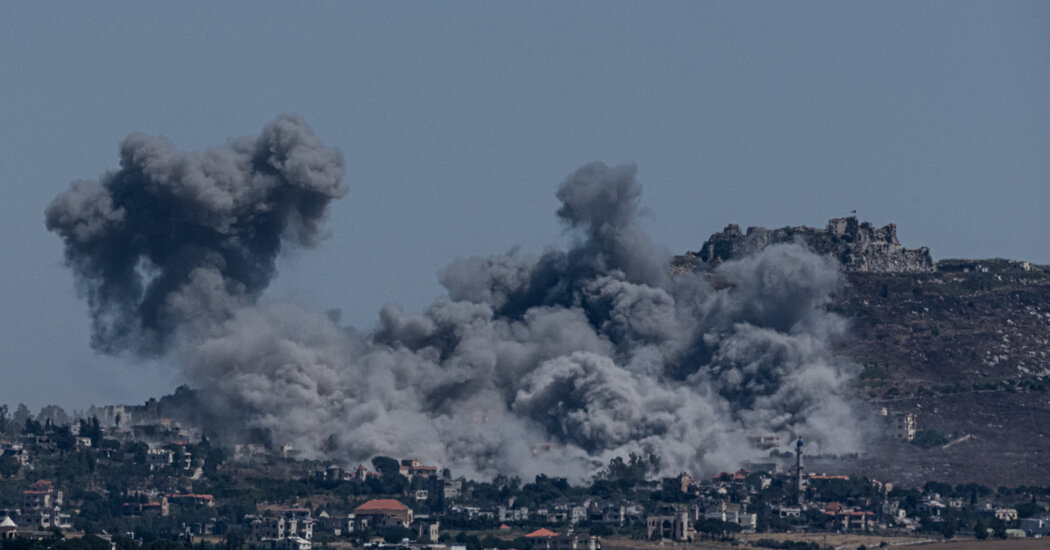
Despite recent diplomatic efforts, a newly brokered cease-fire agreement intended to halt hostilities between Israel and Lebanon has shown little immediate sign of taking hold. Reports from Thursday painted a grimly familiar picture on the ground, characterized by ongoing Israeli airstrikes and retaliatory Hezbollah rocket fire. This immediate resurgence of violence has swiftly exposed the profound fragility of the deal, which was reportedly facilitated by the Trump administration just a day prior. The situation underscores the immense challenges inherent in de-escalating long-standing conflicts and translating diplomatic agreements into tangible peace.
Cease-fire agreements, by their very nature, are often delicate instruments designed to create a window for de-escalation and negotiation. However, their success hinges not only on the commitment of the negotiating parties but also on the complex realities on the ground, including the actions of various armed groups and the deep-seated mistrust that often characterizes protracted conflicts. The Middle East, a region frequently embroiled in geopolitical tensions, has witnessed numerous attempts at peace initiatives, many of which have struggled to gain traction amidst the intricate web of historical grievances, security concerns, and regional power dynamics. The current situation between Israel and Lebanon, as observed on Thursday, appears to be a stark reminder of these persistent difficulties.
The latest cease-fire, reportedly brokered through the significant diplomatic engagement of the Trump administration, had generated a degree of "diplomatic fanfare." Such high-level interventions typically aim to leverage international influence to compel warring factions towards a cessation of hostilities. The agreement was reached just a day before the reported renewed fighting, suggesting a very short window for its implementation and an immediate test of its efficacy. The swift return to violence, however, indicates that the diplomatic momentum did not immediately translate into a sustained halt in military operations, challenging the very premise of the agreement.
On Thursday, the hopes for a cessation of hostilities were quickly dashed by the "grimly familiar" reality unfolding across the border region. Eyewitness accounts and reports indicated a continuation of Israeli airstrikes, a clear violation of the spirit, if not the letter, of a cease-fire. Concurrently, Hezbollah, the Lebanese militant group, reportedly launched rockets, further escalating the cycle of violence. These actions from both sides left "little sign that the war had stopped," directly contradicting the objectives of the recently announced truce.
The immediate resumption of hostilities served as a stark and undeniable exposure of the "fragility of the latest deal." A cease-fire's success often relies on a period of calm to build confidence and establish mechanisms for monitoring and verification. When fighting resumes almost immediately, it signals a fundamental lack of commitment or control from one or both sides, or perhaps an inability to enforce compliance among all relevant actors. This fragility raises critical questions about the underlying conditions that led to the agreement and the prospects for its eventual success.
The contrast between the "diplomatic fanfare" surrounding the agreement and the harsh realities on the ground highlights a persistent gap in conflict resolution: the chasm between declaration and implementation. While international diplomacy can achieve breakthroughs in principle, the practical challenges of enforcing a cease-fire in a volatile region are immense. These challenges often include deeply entrenched military positions, the difficulty of communicating orders effectively to all combat units, and the potential for spoilers who seek to undermine peace efforts. The current situation exemplifies how quickly a carefully negotiated agreement can unravel when confronted with the complex dynamics of an active conflict zone.
The apparent failure of this cease-fire to take hold carries significant implications for regional stability. Continued conflict between Israel and Lebanon not only threatens the lives of civilians but also risks drawing in other regional actors, potentially leading to a wider conflagration. For the Trump administration, which reportedly brokered the deal, its immediate breakdown could be seen as a setback for its diplomatic efforts in the region. It also underscores the need for robust verification mechanisms and sustained international pressure to ensure compliance with any future peace agreements.
The Israel-Lebanon conflict has a long and complex history, marked by intermittent periods of intense fighting and uneasy truces. The presence of various armed non-state actors, coupled with the security concerns of sovereign nations, creates an environment where lasting peace remains elusive. Each new cease-fire attempt, regardless of its diplomatic backing, confronts these deeply rooted issues. The events of Thursday serve as a potent reminder that even with significant international engagement, the path to peace in this particular conflict zone is fraught with obstacles and requires more than just a signed agreement.
Building trust between adversaries is paramount for any cease-fire to succeed, yet it is often the most challenging aspect. When one side perceives the other as violating the agreement, it often triggers a cycle of retaliation, making it exceedingly difficult to restore calm. Ensuring compliance from all factions, including non-state actors like Hezbollah, presents a unique set of difficulties for any brokering power. The immediate resumption of hostilities suggests that such trust and compliance mechanisms were either insufficient or entirely absent in the initial hours of this latest agreement.
In conclusion, the latest cease-fire agreement between Israel and Lebanon, despite the diplomatic efforts that brought it about, has faced an immediate and severe test. The "grimly familiar" scenes of airstrikes and rocket fire on Thursday underscore the profound challenges of implementing peace in a deeply entrenched conflict. The fragility of the deal, exposed so quickly, suggests that while diplomatic breakthroughs are crucial, the real work of peace-building lies in securing sustained commitment and ensuring verifiable cessation of hostilities on the ground. The road ahead for achieving lasting peace in the region remains arduous and uncertain.