
Former Ukrainian Foreign Minister Dmytro Kuleba to Address the New Cyber Frontline at Infosecurity Europe
Geopolitics and cyber warfare take center stage at Infosecurity Europe as Dmytro Kuleba discusses Ukraine’s hybrid war experience
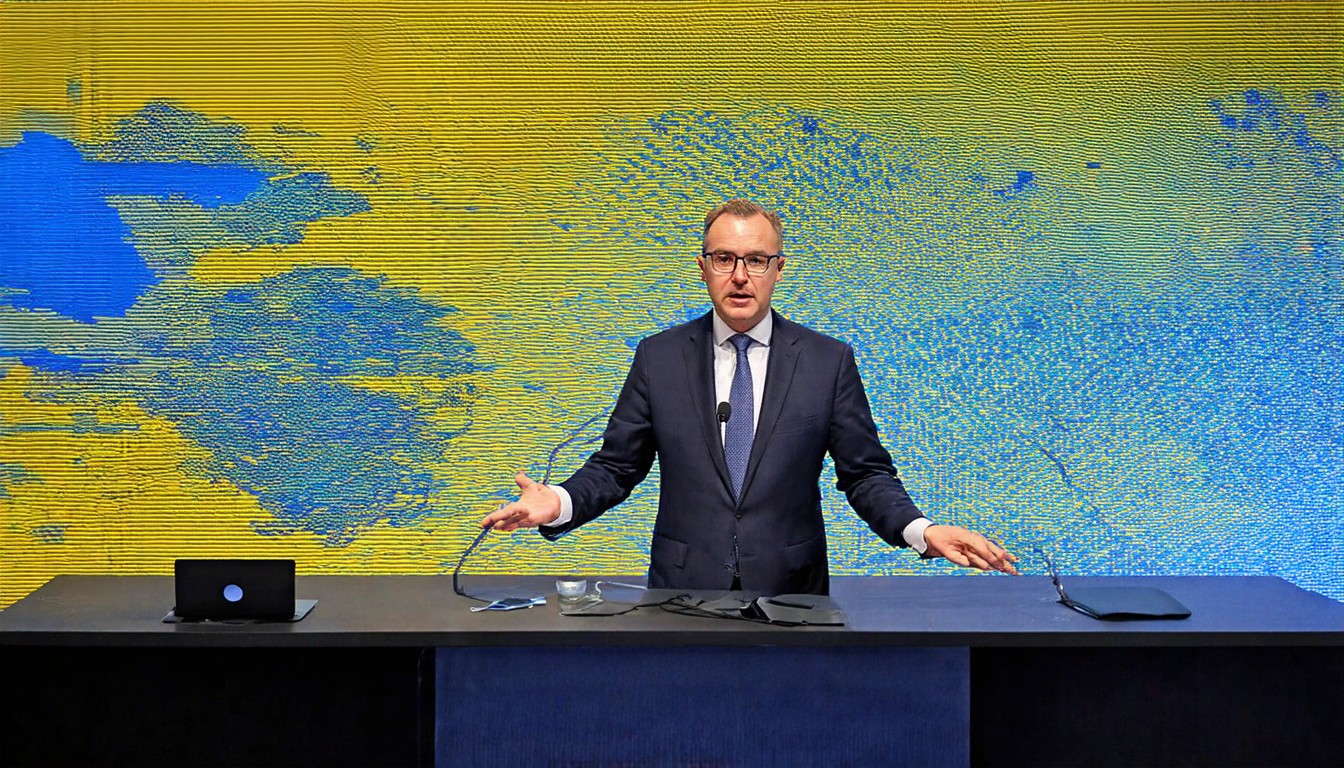
Former Ukrainian Foreign Minister Dmytro Kuleba is set to address the evolving cyber frontline at Infosecurity Europe, a major cybersecurity conference in London. The event, which brings together industry leaders, policymakers, and experts, will focus on the intersection of geopolitics and cyber warfare, with Kuleba sharing insights into Ukraine’s hybrid war experience.
Kuleba, who served as Ukraine’s Foreign Minister from 2020 to 2023, is well-positioned to discuss the complexities of modern warfare. Understanding the challenges posed by Russia’s hybrid warfare tactics, Ukraine has been at the forefront of cyber conflicts since the annexation of Crimea in 2014. Kuleba’s tenure coincided with significant developments in Ukraine’s cybersecurity strategy, including the establishment of the National Cyber and IT Agency in 2021.
At Infosecurity Europe, Kuleba will likely emphasize the importance of cyber resilience in the face of state-sponsored cyber attacks. Ukraine has been a frequent target of such attacks, with incidents ranging from information theft to disruption of critical infrastructure. The 2015 NotPetya ransomware attack, which originated from Russia, caused widespread damage to Ukrainian businesses and infrastructure, highlighting the potential devastation of cyber warfare.
Kuleba’s address will also touch on Ukraine’s efforts to build a robust cybersecurity ecosystem. The country has invested in enhancing its digital defenses, improving cyber education, and fostering international cooperation. Collaborations with NATO and the European Union have been pivotal in bolstering Ukraine’s cyber capabilities.
The conference will provide a platform for Kuleba to discuss the lessons learned from Ukraine’s experiences and the broader implications for global cybersecurity. As hybrid warfare continues to evolve, understanding the interplay between traditional military actions and cyber operations is crucial. Kuleba’s insights will offer valuable perspectives on how nations can prepare for and counter such threats.
Infosecurity Europe will also feature discussions on emerging technologies, such as artificial intelligence and quantum computing, and their potential impact on cybersecurity. With the rapid advancement of technology, the cyber landscape is constantly shifting, necessitating continuous adaptation of defense strategies.
In addition to Kuleba, the conference will host a range of experts and policymakers addressing cybersecurity challenges. Topics will include regulatory frameworks, incident response, and the role of private sector innovation in securing digital infrastructure.
As the world grapples with the increasing sophistication of cyber threats, events like Infosecurity Europe are vital for fostering dialogue and collaboration. Kuleba’s participation underscores the importance of sharing knowledge and best practices to strengthen global cyber resilience.
In conclusion, Dmytro Kuleba’s address at Infosecurity Europe will offer a unique opportunity to delve into the complexities of hybrid warfare and cybersecurity. By drawing on Ukraine’s experiences, Kuleba will provide valuable insights into the evolving cyber frontline and the strategies needed to safeguard against state-sponsored cyber attacks. The conference will serve as a catalyst for further discussions and collaborations in the critical field of cybersecurity.









