
Former Scale AI CEO Alexandr Wang on AI’s Potential and Its ‘Deficiencies’
Before stepping down as Scale AI CEO, Alexandr Wang spoke with TIME about AI agents, AGI, and his approach to leadership.
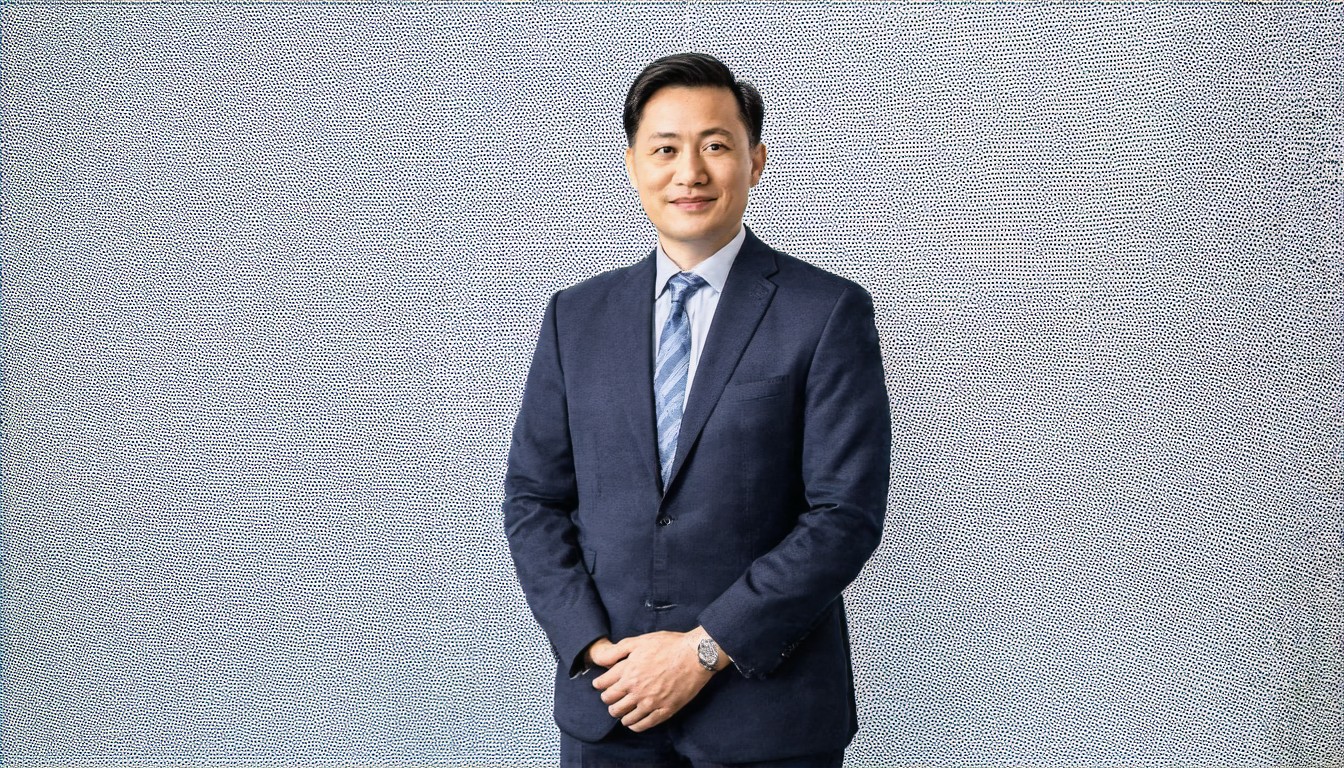
Alexandr Wang, the former CEO of Scale AI, has recently stepped down from his position to take on a new challenge at Meta, where he will lead the company's "superintelligence" division. This move comes after Meta invested $14.3 billion for a minority stake in Scale AI, highlighting the company's ambition to advance its AI capabilities. However, the real focus of this transition is Wang himself, a 28-year-old entrepreneur who has already made a significant impact in the AI industry.
Wang's journey began at a young age when he dropped out of MIT at 19 to pursue his passion for AI. By the age of 24, he had become the world's youngest self-made billionaire, having built Scale into a major player in the artificial intelligence industry. His company specializes in labeling data for AI systems, a critical component for training models. Wang's approach to leadership and his unwavering ambition have earned him admiration from industry leaders, including OpenAI CEO Sam Altman, who lived in Wang's apartment during the pandemic.
Wang's vision for AI extends beyond the current capabilities of existing systems. He believes that the potential of AI is vast, and he is eager to push the boundaries of what is possible. His new role at Meta will involve working on building smarter-than-human AI, a field that has gained significant attention in recent years. The move comes as Meta's AI efforts have faced challenges, including delays and underwhelming performance. Wang's expertise and drive are expected to inject new energy into the company's AI initiatives, which have been overshadowed by Chinese rivals like DeepSeek on popular benchmarks.
Despite his academic detour, Wang's practical experience and insights into the data practices of competitors are valuable assets for Meta. His ability to understand the types of data used to improve AI systems will be crucial as Meta aims to stay competitive in the rapidly evolving AI landscape. Wang's transition to Meta has also led to significant changes in the AI ecosystem, with Google and OpenAI reportedly severing deals with Scale AI over the Meta deal. Scale has confirmed that it will continue to operate independently under a new interim CEO, as stated in a recent blog post.
Wang's ambition has not come without trade-offs. While he attributes Scale's success to treating data as a "first-class problem," this focus has not always extended to the company's workforce. Scale employs an army of over 240,000 contract workers, some of whom have faced delayed, reduced, or canceled payments after completing tasks. This issue has raised concerns about the company's labor practices and the impact on its workforce.
Wang's co-founder, Lucy Guo, left Scale in 2018 following disagreements with Wang. Despite these challenges, Wang's vision for AI and his relentless pursuit of innovation continue to captivate the industry. As he takes on his new role at Meta, the world will be watching to see how he can shape the future of AI and whether he can address the deficiencies that have been highlighted in his previous endeavors.
In conclusion, Alexandr Wang's departure from Scale AI marks the beginning of a new chapter in his career, as he steps into the spotlight at Meta to lead the charge in developing smarter-than-human AI. His journey from a young entrepreneur to a key figure in the AI industry is a testament to the power of ambition and the potential of technology. However, the challenges he faces, both in terms of technological advancement and ethical considerations, will be crucial in shaping the future of AI and its impact on society.









