
Forget Antibiotics: These Killer Cells Wipe Out Deadly Superbugs in a Day
The genetically engineered cells can be rewired to tackle a range of bacteria in the battle against antibiotic resistance. The post Forget Antibiotics: These Killer Cells Wipe Out Deadly Superbugs in a Day appeared first on SingularityHub .
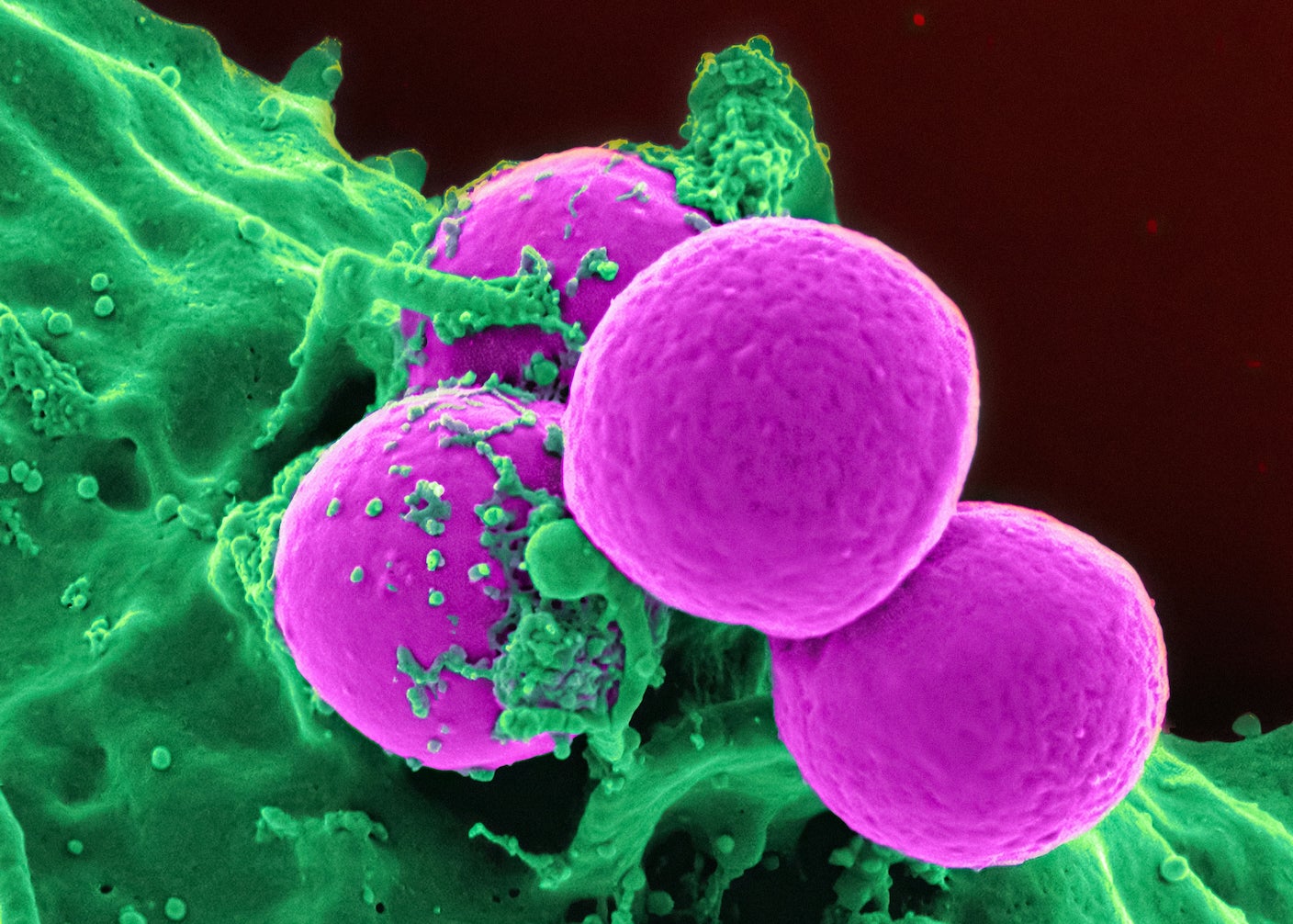
In a groundbreaking development in the fight against antibiotic resistance, researchers have created genetically engineered cells that can eliminate deadly superbugs in a single day. This innovative approach, known as minicell therapy, offers a promising alternative to traditional antibiotics, which are increasingly ineffective against resistant bacteria.
The concept behind minicell therapy is simple yet revolutionary. Scientists have taken harmless bacteria and stripped them of their ability to replicate. They then genetically modified these cells, equipping them with proteins that allow them to identify and target specific dangerous bacterial strains. Once the engineered cells locate their prey, they attach to the harmful bacteria and inject toxins, causing the superbugs' internal structures to collapse. This method is not only highly effective but also leaves other beneficial bacteria unharmed, minimizing the risk of disrupting the natural balance of microbial communities in the body.
This cutting-edge technology was developed by a team at the University of Oxford, who have demonstrated its potential in laboratory settings. The approach is fundamentally different from current antibiotic treatments, making it more challenging for bacteria to develop resistance. Additionally, the engineered cells can be easily reprogrammed to target various bacterial strains, providing a versatile solution to the growing threat of antibiotic-resistant infections.
The need for innovative solutions like minicell therapy is urgent. Antimicrobial resistance is a critical global challenge that is projected to cause over 10 million deaths each year by 2050. Superbugs that evade current treatments could lead to the next pandemic, but our arsenal against them is dwindling. Traditional antibiotics work in different ways, such as puncturing bacterial cell walls or inhibiting protein production, but bacteria are constantly evolving to evade these defenses. Over time, resistant strains emerge, grow, and reproduce, outpacing the development of new antibiotics.
One of the key advantages of minicell therapy is its ability to bypass the evolutionary cat-and-mouse game that characterizes the battle against bacteria. Unlike antibiotics, which target specific bacterial processes, the engineered cells are designed to recognize and attack specific molecular signatures of resistant strains. This makes it more difficult for bacteria to adapt and develop resistance, offering a more sustainable long-term solution to the problem of antibiotic resistance.
Moreover, the simplicity of the minicell therapy approach allows for rapid adaptation to new bacterial threats. Researchers can quickly reprogram the engineered cells to target specific strains, ensuring that the treatment remains effective against emerging resistant bacteria. This flexibility is crucial in a world where bacterial evolution outpaces our ability to develop new antibiotics.
While minicell therapy shows great promise in laboratory settings, further research and clinical trials are needed to fully understand its potential and ensure its safety for human use. However, the initial results are encouraging, and this innovative approach could revolutionize the way we treat bacterial infections and combat the growing threat of antibiotic resistance.
In conclusion, the development of genetically engineered cells that can eliminate superbugs in a single day represents a significant leap forward in the fight against antibiotic resistance. By leveraging synthetic biology and a novel approach to targeting bacteria, minicell therapy offers a promising alternative to traditional antibiotics. As the global burden of resistant infections continues to rise, innovative solutions like this are more important than ever. The potential of minicell therapy to transform the landscape of infectious disease treatment is undeniable, and it serves as a reminder of the power of scientific ingenuity in addressing some of humanity's most pressing challenges.








