
For U.S., war with Iran may come down to ‘markets and munitions’
Former Secretary of State Blinken details approach of past administrations, challenges ahead
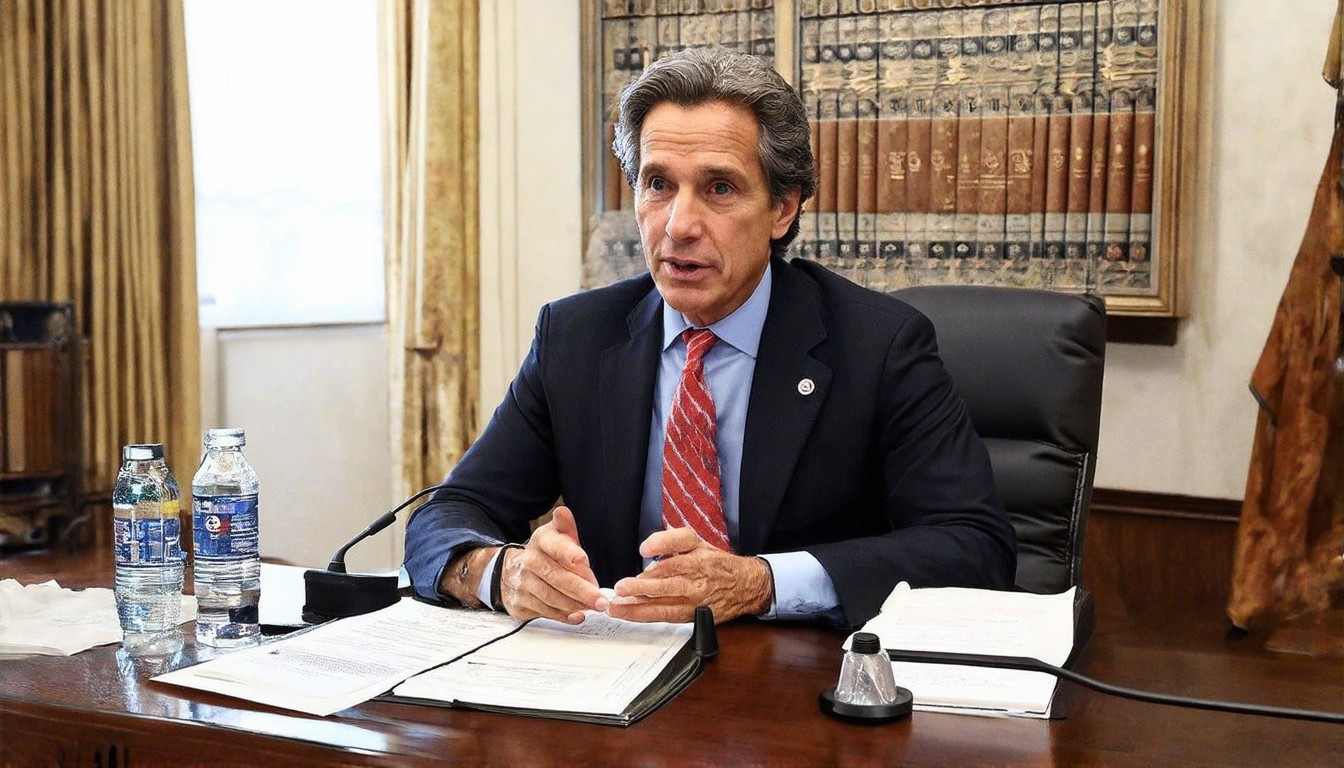
Former U.S. Secretary of State Antony Blinken recently shared insights into the complex dynamics of the U.S.-Iran conflict, emphasizing that the future of the war may hinge on economic and military factors. During a talk at Harvard Kennedy School, Blinken discussed the varying approaches taken by past administrations and the potential challenges ahead.
Blinken highlighted that the administration's decisions regarding the war with Iran will likely be influenced by the potential impact on global energy markets, U.S. financial exchanges, and the stockpiles of Israeli missile interceptors. These factors, he argued, will act as "guardrails" that limit how far the administration might be willing to go in the conflict.
The former secretary of state reflected on the differing strategies employed by the last three U.S. presidents in dealing with Iran. Under the Obama administration, military action was considered as a means to prevent Iran from developing a nuclear weapon. However, the decision was ultimately made to pursue a diplomatic solution, resulting in the 2015 Joint Comprehensive Plan of Action (JCPOA). Blinken, who served as deputy national security adviser in 2013, was present during the negotiations that led to the interim pact.
During his tenure as secretary of state under the Biden administration, Blinken faced the challenge of navigating the war in Gaza. He candidly acknowledged the nation's handling of the conflict and expressed concerns about the administration's potential next move in Iran. Blinken suggested that President Biden might declare victory and end the conflict, but warned that this would not be a true resolution.
Iran, Blinken cautioned, would have demonstrated its ability to disrupt global energy markets through the Strait of Hormuz, giving it an asymmetric advantage in the region and around the world. This capability, which was previously suspected but not fully understood, could have profound implications for U.S. and Israeli involvement in the conflict.
The future of the U.S.-Iran war, according to Blinken, will thus depend on a delicate balance between economic and military considerations. The administration must carefully weigh the potential consequences of its actions on global markets and the availability of critical munitions, such as Israeli missile interceptors.
As tensions continue to rise between the U.S., Iran, and Israel, the approaches taken by past administrations serve as both a guide and a cautionary tale. The complexities of the conflict, as outlined by Blinken, underscore the need for a measured and strategic response that takes into account the far-reaching impacts of military and diplomatic decisions.
In conclusion, the path forward for the U.S. in the war with Iran will be shaped by a combination of economic and military factors. The administration's decisions will be constrained by the potential effects on global energy markets, financial exchanges, and the availability of essential munitions. As the conflict evolves, the lessons learned from past administrations will be crucial in navigating the complex and ever-changing landscape of the U.S.-Iran war.









