For Many Patients Leaving the I.C.U., the Struggle Has Only Just Begun
A long stay in intensive care can bring physical, cognitive and mental health challenges that can take months or longer to resolve.
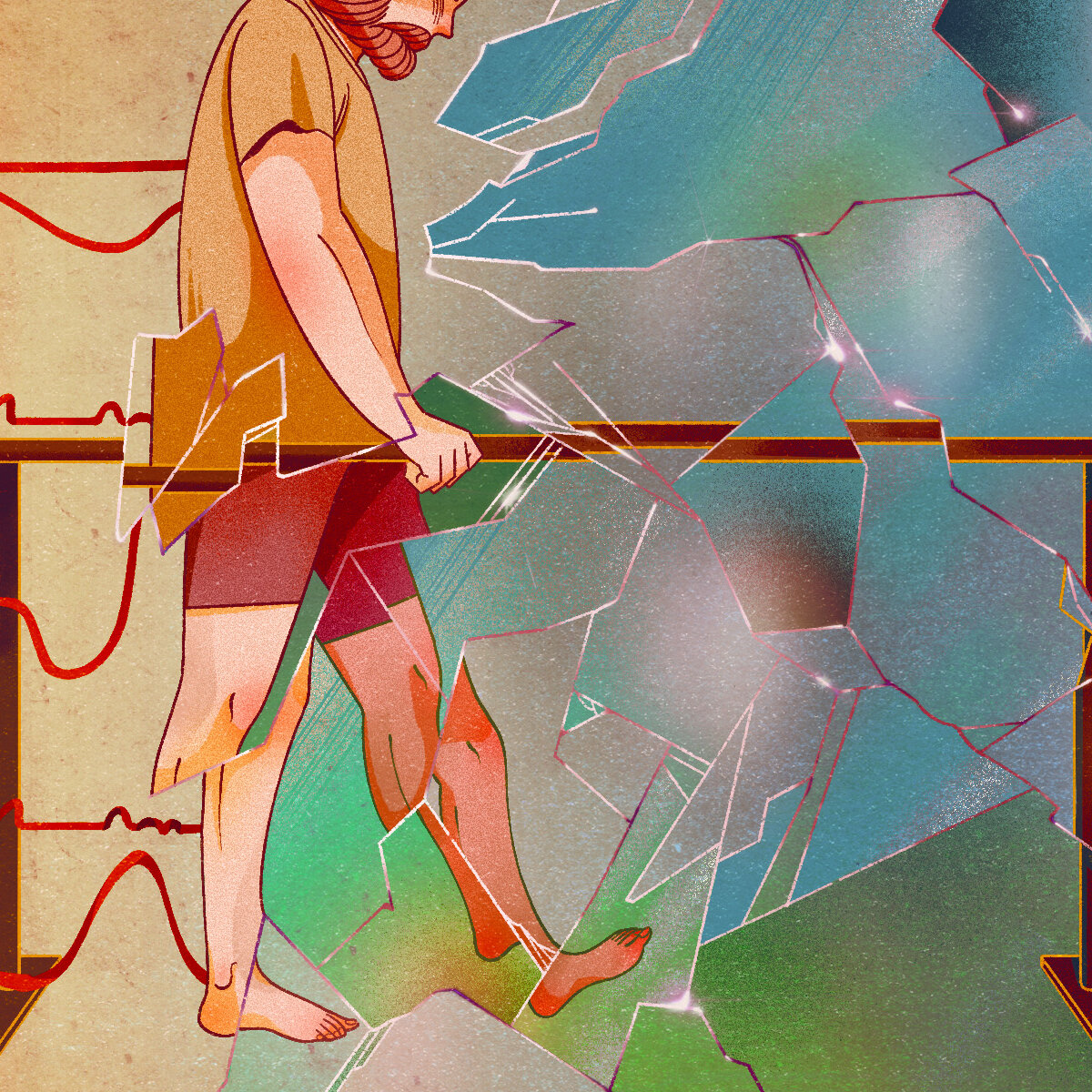
For many patients leaving the intensive care unit (ICU), the struggle has only just begun. After weeks or even months of critical care, the journey to recovery is often fraught with physical, cognitive, and mental health challenges that can persist for months or longer. This reality underscores the need for comprehensive support systems and tailored care plans to help patients navigate the complexities of post-ICU recovery.
The intensive care unit is designed to provide life-saving treatment for patients in acute distress, but the physical toll of such care can be immense. Patients often face a range of complications, including muscle atrophy from prolonged immobility, respiratory issues from mechanical ventilation, and blood clots from extended bed rest. These physical challenges can significantly delay a patient's ability to regain independence and return to their daily lives.
In addition to physical challenges, cognitive impairments are also common among ICU survivors. Prolonged periods of unconsciousness or sedation can disrupt brain function, leading to difficulties with memory, attention, and problem-solving. These cognitive deficits can exacerbate feelings of anxiety and depression, further complicating the recovery process.
Mental health struggles are a significant component of post-ICU care. The trauma of being in the ICU, coupled with the physical and cognitive challenges, can lead to long-lasting psychological effects. Many patients experience post-traumatic stress disorder (PTSD), depression, or anxiety disorders. The emotional weight of facing mortality and the uncertainty of recovery can leave lasting scars, requiring specialized mental health support.
The transition from the ICU to other hospital settings or home care can also be challenging. Patients may require ongoing medical interventions, such as respiratory therapy or physical rehabilitation, to manage their conditions. However, access to these services can be limited, particularly in underserved areas. This gap in care can leave patients and their families feeling overwhelmed and unprepared for the recovery journey ahead.
Healthcare providers are increasingly recognizing the need for multidisciplinary approaches to address the complex needs of ICU survivors. Interdisciplinary teams, including physicians, nurses, physical therapists, occupational therapists, and mental health professionals, are essential in creating personalized care plans. These plans prioritize not only the physical recovery but also the cognitive and emotional well-being of patients.
Furthermore, the role of family and support networks in post-ICU recovery cannot be overstated. Family members often serve as the primary caregivers, navigating the complexities of medical care and providing emotional support. Educating these caregivers about the challenges their loved ones face and offering resources for coping can significantly enhance the recovery process.
In recent years, there has been a growing emphasis on researching and implementing evidence-based interventions to support ICU survivors. Studies are exploring the effectiveness of cognitive rehabilitation therapies, mindfulness practices, and other strategies to address the mental and cognitive challenges faced by these patients.
Despite these advancements, the post-ICU recovery journey remains a complex and often underrecognized aspect of healthcare. Policymakers and healthcare systems must prioritize the needs of ICU survivors, ensuring that they have access to the resources and support they need to thrive after their critical care experience.
In conclusion, for many patients discharged from the ICU, the struggle for recovery is far from over. The physical, cognitive, and mental health challenges they face require a coordinated effort from healthcare providers, support networks, and policymakers. By addressing these complexities head-on, we can help ensure that ICU survivors receive the care and support they need to rebuild their lives and regain their independence.