Home EducationFood-feed-fertility: Feeding the soil, Livestock, ...
EducationтнР Featured

Food-feed-fertility: Feeding the soil, Livestock, and People in Zambia

Smallholder farmers in Zambia are transforming food security by integrating crops and livestock to feed soils, animals, and families sustainably. What to read next: Why women are central to resilient food systems | Afriseed: How improved legume seed can help transform ZambiaтАЩs agrifood systems | тАЬMaize is FoodтАЭ: ZambiaтАЩs Journey with Climate-Resilient Seeds | Conservation agriculture in Zambia: less labor and higher yields
6 April 2026 at 11:37 am
1 views
Food-feed-fertility: Feeding the soil, Livestock, and People in Zambia

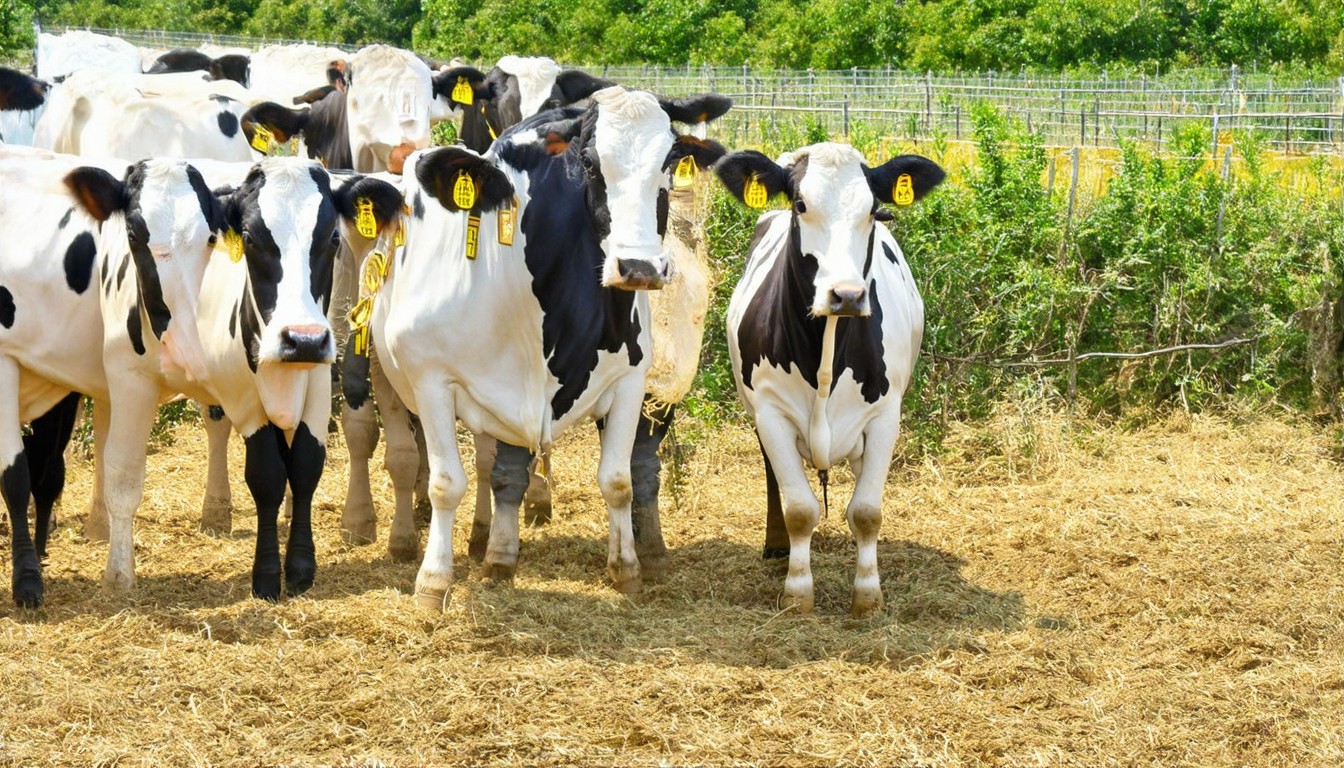
In Zambia's Southern Province, livestock is more than an asset; it is a livelihood strategy, a local bank, and a symbol of wealth. A herd can pay school fees, cover emergency medical costs, and provide stability for a family when crop harvests are low. It can also influence a smallholder's social status and how they are viewed by society. However, in recent seasons, this status has come under pressure due to erratic rainfall and El Ni├▒o effects that have thinned pastures and shortened the grazing window by reducing available biomass. Cattle are pushed further into communal areas to search for sparse feed, which is inherently low in productive nutrients. By the time the long winter months arrive, many families are already worrying about what their animals will eat and what they will lose if the animals weaken and die.

This is the current reality that farmers participating in the European Union (EU)-funded Sustainable Intensification of Smallholder Farming Systems in Zambia (SIFAZ) project are trying to address. The aim of the project is not to replace livestock with crops but to strengthen the link between them. This practical approach allows farmers to plan feeding their livestock the same way they plan cropping for human consumption. Instead of relying solely on distant grazing areas, farmers are validating improved fodder systems that provide feed on-site when it is hardest to find, while also improving soils for the next cropping cycle.

Early-season evaluations from the 2025/2026 season show that the appreciation of in-situ fodder production is increasing. Close management of livestock and growing feed for livestock production, however, requires a mental shift among livestock owners used to extensive herding, as population densities increase. Moving from extensive livestock grazing to livestock holding, which means keeping animals in close proximity and controlled feeding, depends on having enough biomass to sustain the animals.

The SIFAZ project is not only about livestock but also about integrating crops and livestock to feed soils, animals, and families sustainably. Smallholder farmers in Zambia are transforming food security by adopting a holistic approach to agriculture. This integration ensures that the soil remains fertile, livestock are well-nourished, and families have a reliable food supply.

Women are central to these resilient food systems. They often manage the day-to-day operations of farming and livestock, ensuring that both human and animal needs are met. By adopting improved legume seeds, farmers can enhance soil fertility and provide nutritious feed for their livestock. This not only improves the health of the animals but also contributes to better crop yields, creating a cycle of sustainability.

Conservation agriculture in Zambia has also shown promise in reducing labor and increasing yields. By minimizing soil disturbance and maintaining soil health, farmers can achieve higher productivity with less effort. This approach is particularly beneficial in regions where climate change is affecting agricultural practices.

The "Maize is Food" initiative in Zambia highlights the importance of climate-resilient seeds. By investing in seeds that can withstand droughts and pests, farmers can ensure a stable food supply even in challenging conditions. This initiative is part of a broader effort to build resilient agrifood systems in Zambia.

In conclusion, the SIFAZ project in Zambia is a testament to the power of integrating crops and livestock to create sustainable food systems. By focusing on soil health, livestock nutrition, and crop yields, smallholder farmers are building resilience against climate change and ensuring food security for their families. The project's success underscores the importance of women in these systems and the potential of improved seeds and conservation agriculture to transform Zambia's agrifood landscape. As the project continues to evolve, it holds the promise of a more stable and prosperous future for Zambia's smallholder farmers.
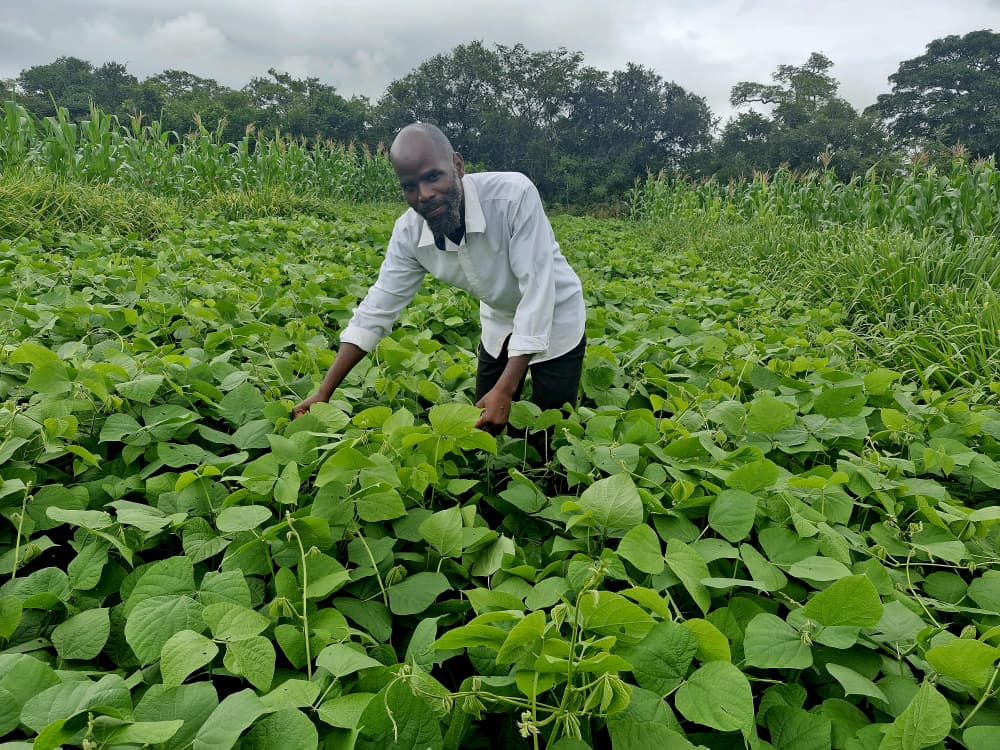
Source: CIMMYT
ЁЯУ░ Related News
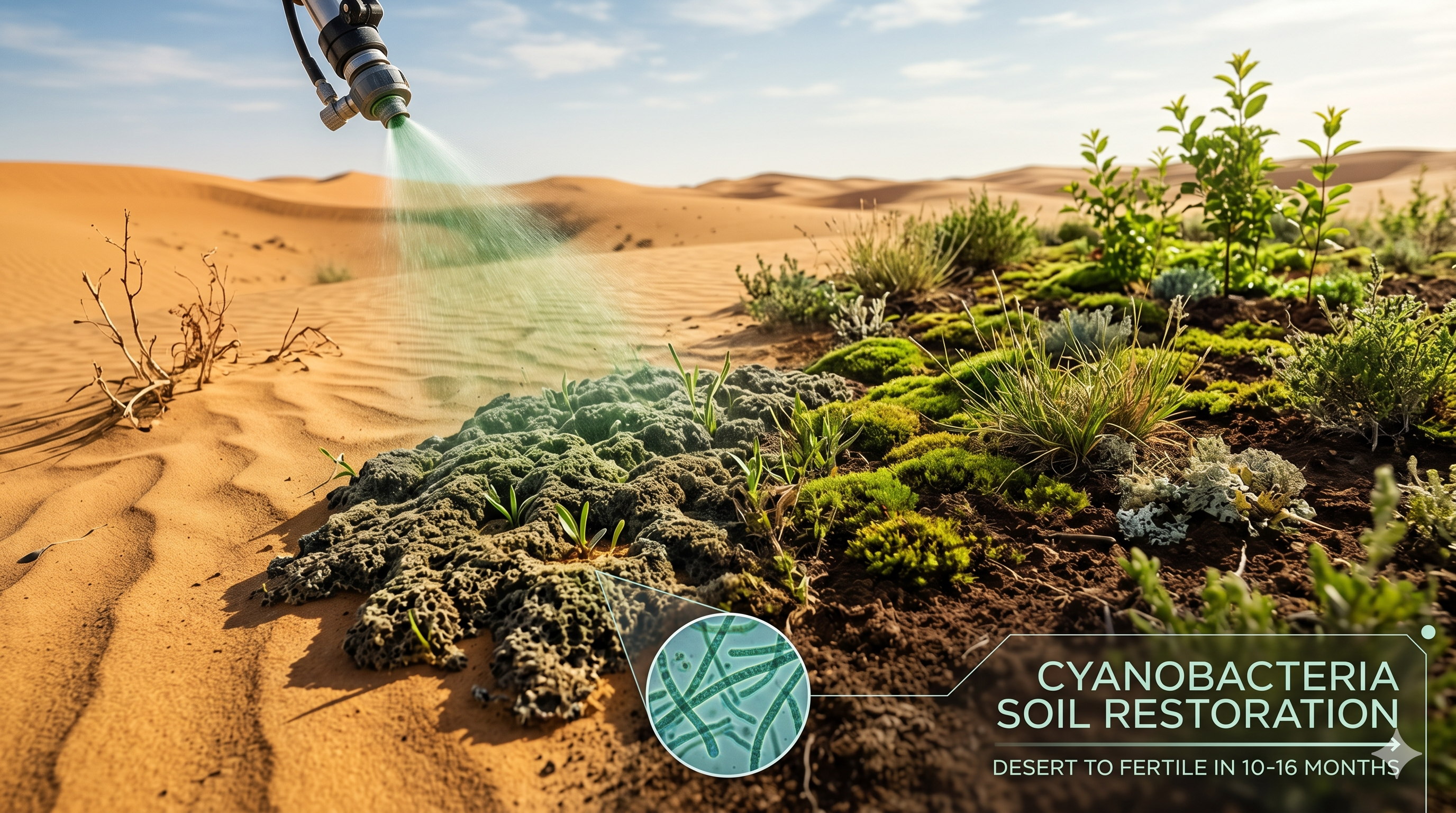
China is using a bacteria to turn desert into fertile soil in just 10 months
In a major breakthrough against desertification, researchers at Shapotou Desert Experimental Research Station have developed a technique that can transform barren desert sand into fertile, plant-supporting soil in just 10 months.
28 May
Rising costs тАШcripplingтАЩ most farming sectors in NI тАУ FFA
The steering committee of Farmers For Action (FFA) has said that rising fuel, fertiliser, and other costs are now тАЬcripplingтАЭ most farming sectors in Northern Ireland. The organisation also said that тАЬabysmal” farm gate prices are тАЬbreaking the camelтАЩs backтАЭ. The FFA said the Department of Agriculture, Environment and Rural Affairs (DAERA) is “making things […] The post Rising costs тАШcripplingтАЩ most farming sectors in NI – FFA appeared first on Agriland.ie .
7 Apr
Weather: Strong winds over the weekend and staying unsettled
The weather this Easter weekend will see strong winds as Storm Dave hits Ireland, and it is set to remain unsettled after that into next week, according to Met ├Йireann. A Status Yellow warning has been issued for the whole country. This warning will come into effect at 2:00p.m tomorrow afternoon (Saturday, April 4) and […] The post Weather: Strong winds over the weekend and staying unsettled appeared first on Agriland.ie .
7 Apr
Announcing the AWS Sustainability console: Programmatic access, configurable CSV reports, and Scope 1тАУ3 reporting in one place
AWS announces the Sustainability console, a new standalone service that consolidates carbon emissions reporting and resources, giving sustainability teams independent access to Scope 1, 2, and 3 emissions data without requiring billing permissions.
7 Apr
Spring grazing: Risk of negative energy balance
Unsettled weather means spring grazing is still quite messy, but its important to push on as the risk of negative energy balances (NEB) rise. NEB is often an issue at this stage, as much of the herd begins to reach their peak milk production but have not yet reached their maximum dry matter intake (DMI). […] The post Spring grazing: Risk of negative energy balance appeared first on Agriland.ie .
7 Apr
Raising the bar: Celebrating the best of West CorkтАЩs dairy farming
At a time when dairy farming is under intense scrutiny, itтАЩs easy to lose sight of what is actually happening on farms across west Co. Cork. Behind the headlines and debates, thousands of family farmers are quietly producing some of the highest-quality, lowest-carbon milk in Europe – while continuing to protect their land, their animals […] The post Raising the bar: Celebrating the best of West CorkтАЩs dairy farming appeared first on Agriland.ie .
7 Apr
How has the wet spring affected feed costs?
We are now in April and yet a good number of herds have very little of the platform grazed, while others still have not seen any grass in 2026 due to the weather. To make matters worse, Met ├Йireann is still predicting two to three times more than the average rainfall for the week ahead. […] The post How has the wet spring affected feed costs? appeared first on Agriland.ie .
7 Apr
Most Irish dairy cows moved to sheds in March тАУ survey
The majority of Irish dairy farmers have returned their cattle to sheds in some form due to the wet weather experienced recently, a new survey has found. This is based on the latest Calving Insights Survey conducted by FRS Co-Op for the month of March. The survey found that, despite some spells of dry weather […] The post Most Irish dairy cows moved to sheds in March тАУ survey appeared first on Agriland.ie .
7 Apr
Opinion: Easter has always been a true celebration of Irish sheep production
Easter has always been synonymous with all that is good about Irish sheep production. And long may this continue to be the case. Spring-born lambs gambolling in fields always epitomise the ending of winter and the promise of better weather to come. ItтАЩs just a pity that the spring of 2026 has not lived up […] The post Opinion: Easter has always been a true celebration of Irish sheep production appeared first on Agriland.ie .
7 Apr
The basics of irrigation during hot weather
Hot, dry conditions test even the best irrigation strategies. Christo van der Westhuizen, agronomist at Netafim Southern and East Africa, explained to Glenneis Kriel how farmers can manage water efficiently to protect crops during hot days.
7 Apr