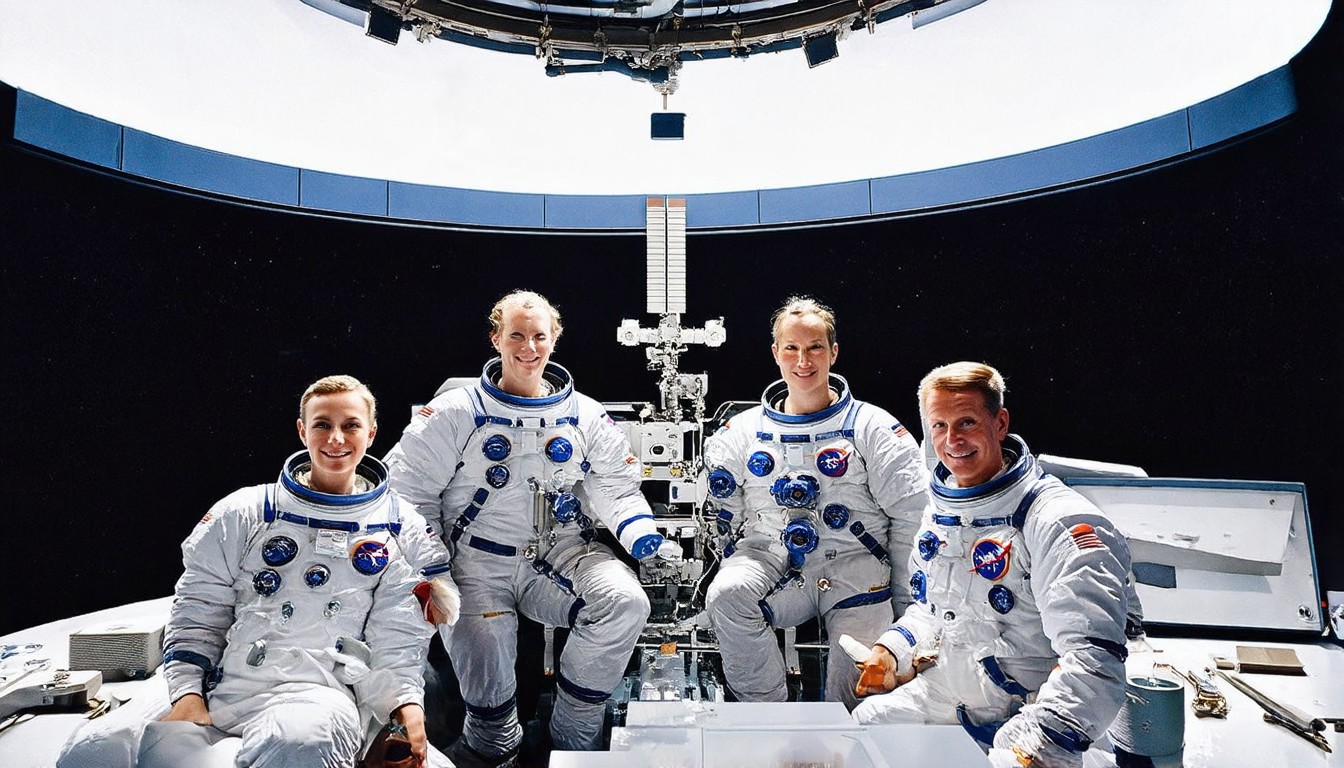
First stop, the Moon. Next stop, Mars? Why Nasa's mission matters
Lunar discoveries and a space race with China is seeing the US invest time and money to get to the Moon - and beyond.
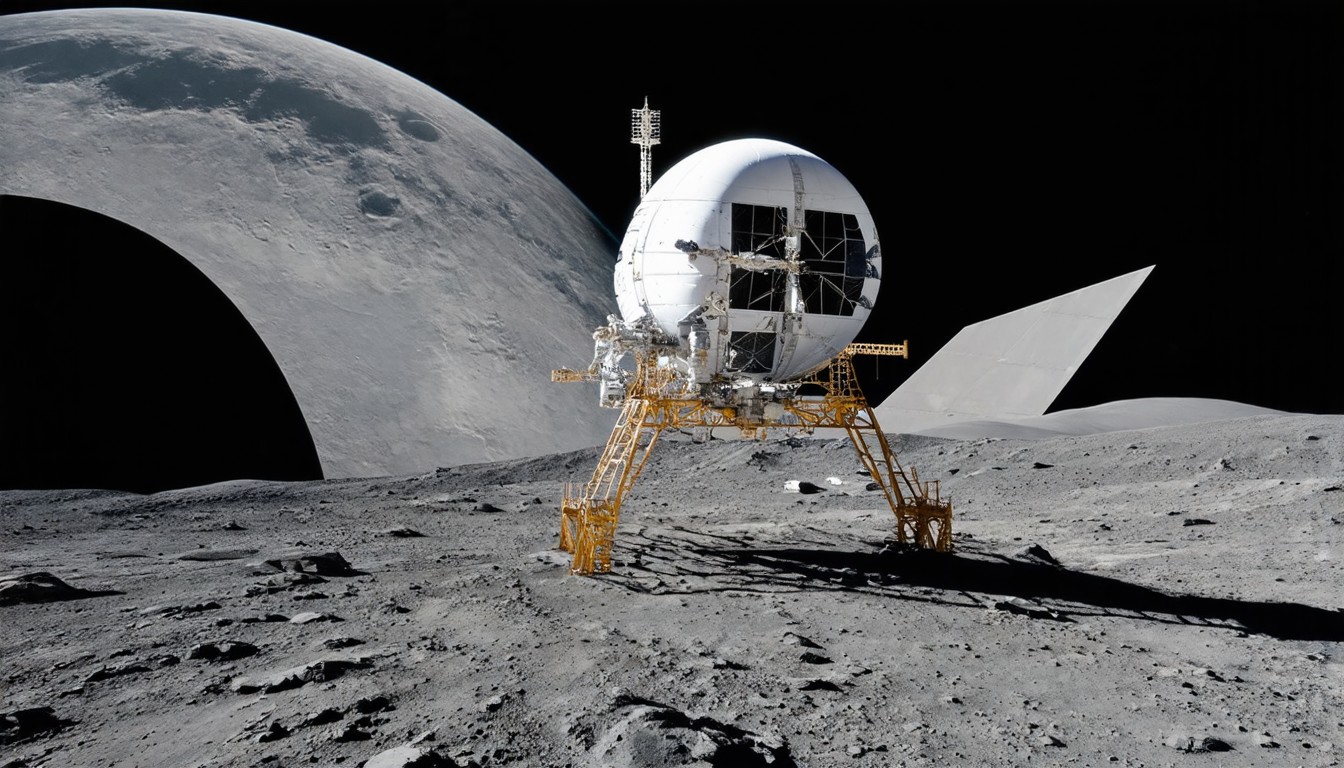
NASA's mission to return to the Moon and eventually reach Mars is gaining momentum as the United States responds to the growing space race with China. This ambitious endeavor is driven by a combination of scientific curiosity, geopolitical competition, and the potential for long-term human exploration of the cosmos.
The Moon has long been a target of human ambition, with the Apollo missions of the 1960s and 1970s marking a significant milestone in space exploration. However, recent discoveries on the lunar surface have reignited interest in the Moon as a gateway to deeper space. In 2019, NASA's Lunar Reconnaissance Orbiter detected water ice in the permanently shadowed craters at the Moon's poles. This finding is particularly significant because water is essential for sustaining human life and could serve as a resource for future lunar bases.
The presence of water on the Moon also has implications for space travel. It could be used to produce rocket fuel through a process called in-situ resource utilization (ISRU), which would significantly reduce the cost and complexity of space missions. By harnessing lunar resources, NASA aims to make space travel more sustainable and accessible, paving the way for manned missions to Mars.
The space race with China adds an additional layer of urgency to NASA's mission. In recent years, China has made significant strides in its lunar exploration program, including the successful landing of the Chang'e 4 rover on the far side of the Moon in 2019. This achievement demonstrated China's technological prowess and its ambition to become a leading spacefaring nation.
The United States, through NASA, sees the Moon as a strategic asset in the broader context of geopolitical competition. By establishing a strong presence on the Moon, the U.S. aims to assert its leadership in space exploration and ensure that it remains a priority for national security and economic growth. The Moon's resources, as well as its potential role in Earth observation and satellite communications, make it a valuable asset in this regard.
NASA's Artemis program, named after the sister of Apollo in Greek mythology, is the cornerstone of this new lunar endeavor. The program aims to return humans to the Moon by 2024 and establish a sustainable lunar presence by the 2030s. This will involve the development of new spacecraft, life support systems, and infrastructure on the lunar surface.
One of the key components of the Artemis program is the Space Launch System (SLS), a heavy-lift rocket designed to carry crew and cargo to the Moon. The first SLS mission, Artemis I, is currently scheduled for launch in 2024 and will test the rocket's capabilities without a crew. Following this, Artemis II will carry astronauts around the Moon, and Artemis III will land them on the lunar surface.
In addition to these manned missions, NASA is also investing in robotic exploration of the Moon. The Clementine mission, which orbited the Moon in 1994, provided the first detailed maps of its surface and identified potential water ice deposits. More recently, the Lunar Atmosphere and Dust Environment Explorer (LADEE) mission studied the Moon's atmosphere and dust, while the Lunar Reconnaissance Orbiter (LRO) has been mapping the lunar surface in unprecedented detail.
The discovery of water ice on the Moon has also spurred interest in the potential for lunar mining. Companies such as Astrobotic Technology and Masten Space Systems are developing lunar landers capable of transporting samples back to Earth for analysis. While the economic viability of lunar mining is still uncertain, it represents a potential avenue for private investment and collaboration with NASA.
Beyond the Moon, NASA's ultimate goal is to establish a human presence on Mars. The Mars Sample Return mission, currently in the planning stages, would involve collecting samples on Mars and returning them to Earth for analysis. This would provide critical insights into the potential for life on the Red Planet and pave the way for future manned missions.
The Artemis program also serves as a stepping stone for Mars exploration. By establishing a sustainable lunar presence, NASA aims to develop the technologies and expertise necessary for long-duration space travel. The Moon's proximity to Earth and its relatively mild environment compared to Mars make it an ideal testing ground for these technologies.
In conclusion, NASA's mission to return to the Moon and eventually reach Mars is driven by a combination of scientific discovery, geopolitical competition, and the pursuit of long-term human exploration. The presence of water ice on the Moon, the space race with China, and the potential for in-situ resource utilization are all factors that underscore the importance of this ambitious endeavor. As NASA continues to invest time and resources in lunar exploration, it is poised to redefine our understanding of the cosmos and our place within it.