First female ‘beast-huntress’ gladiator depiction uncovered in lost mosaic
The 1,800-year-old artwork was destroyed during a World War I bombing campaign. The post First female ‘beast-huntress’ gladiator depiction uncovered in lost mosaic appeared first on Popular Science .
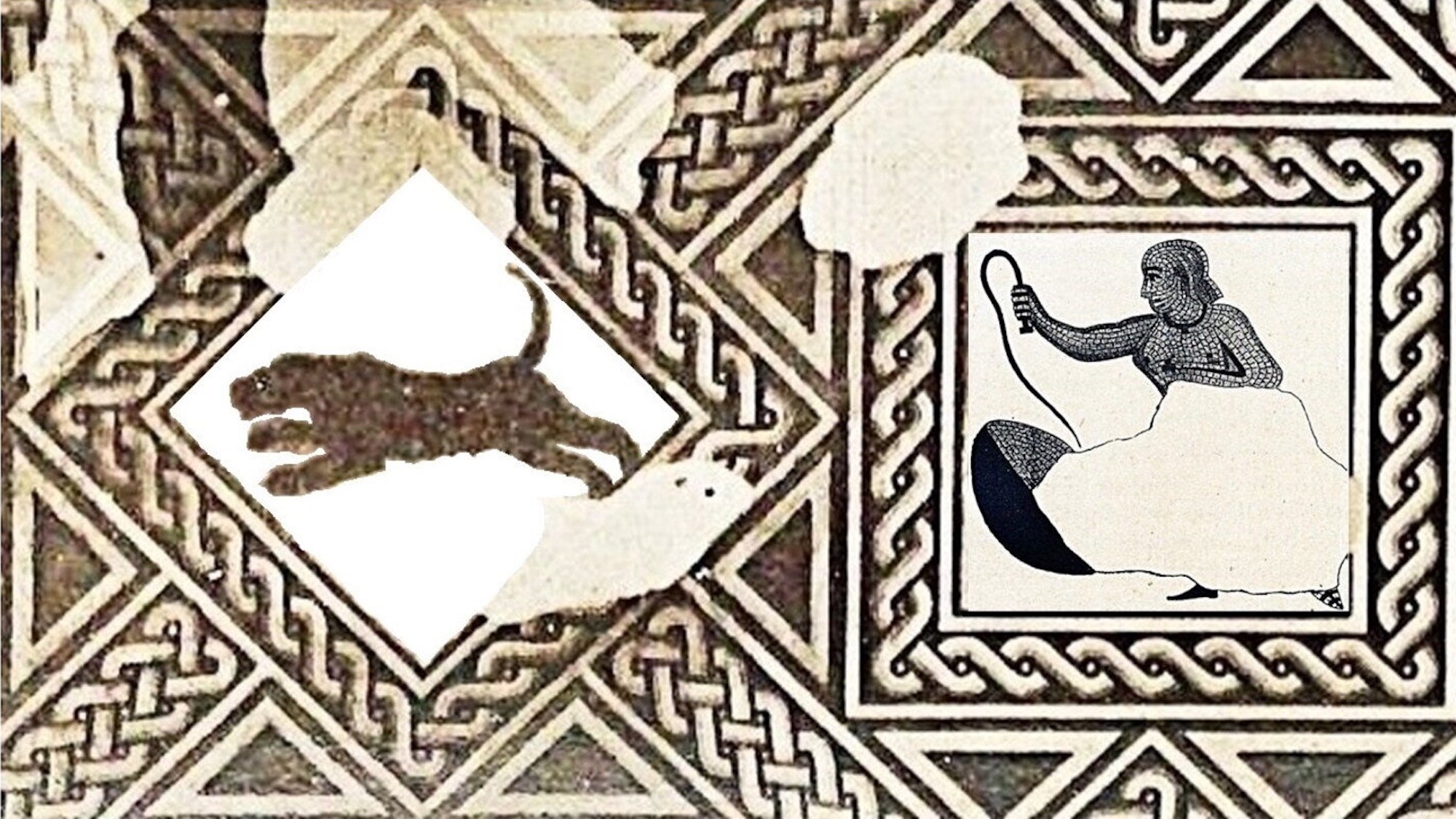
In a remarkable discovery, a 1,800-year-old mosaic that depicted a female gladiator, or venatrix, challenging wild beasts has been uncovered. This lost artwork, which was destroyed during a World War I bombing campaign, offers a fascinating glimpse into the gender dynamics of ancient Roman gladiatorial games. The mosaic, originally excavated in Reims, France, in 1860, has been the subject of recent research by University of California sports historian Alfonso Mañas.
The mosaic, measuring approximately 36-by-29 feet, featured 35 intricate medallions depicting various gladiatorial scenes. Archaeologist Jean Charles Loriquet, who first uncovered the mosaic, recognized that the images were interconnected. For instance, two adjacent gladiators indicated a fight between them, and an animal next to a person suggested a hunt. This understanding of the mosaic's composition has led Mañas to believe that it showcased the first known illustration of a venatrix, a woman who fought beasts in the arena.
Ancient Roman gladiatorial games were not limited to male combatants. They included a diverse array of participants, including professional fighters, criminals, enslaved individuals, and even wild animals. While there are few primary sources mentioning female gladiators, or gladiatrices, even fewer reference women facing off against captured predators such as big cats or bears. The earliest documented example of a venatrix dates back to the reign of Nero (54–68 CE), and other records mention such events at the Colosseum's opening in 80 CE.
Historians have long believed that venatrix matches fell out of favor by around 100 CE, while gladiatrix warriors occasionally appeared through the next century. However, the Reims mosaic suggests that these events may have been more prevalent than previously thought. The artwork's destruction in 1917 during World War I meant that only a single medallion from the mosaic remains, currently housed in the Musée des Beaux-Arts de Reims.
Mañas's research, published in The International Journal of the History of Sport, highlights the importance of reexamining historical records and artifacts to gain a more nuanced understanding of ancient Rome's gladiatorial culture. The discovery of the female venatrix in the mosaic challenges the long-held assumption that women were solely restricted to passive roles in these spectacles. Instead, it reveals a more complex and dynamic world where women actively participated in dangerous and high-stakes combat.
This finding not only sheds light on the lives of ancient Roman women but also underscores the evolving nature of gender roles in historical contexts. While the mosaic itself was lost to history, the insights gained from Mañas's analysis serve as a valuable reminder of the rich and diverse history of gladiatorial games in ancient Rome. The rediscovery of the female venatrix in the Reims mosaic offers a powerful testament to the resilience and courage of women in even the most challenging of arenas.