Fintechs race to lure customers away from UK’s high-street banks
Wise announced plans to roll out current accounts following Klarna’s pivot to become a full-service bank last year
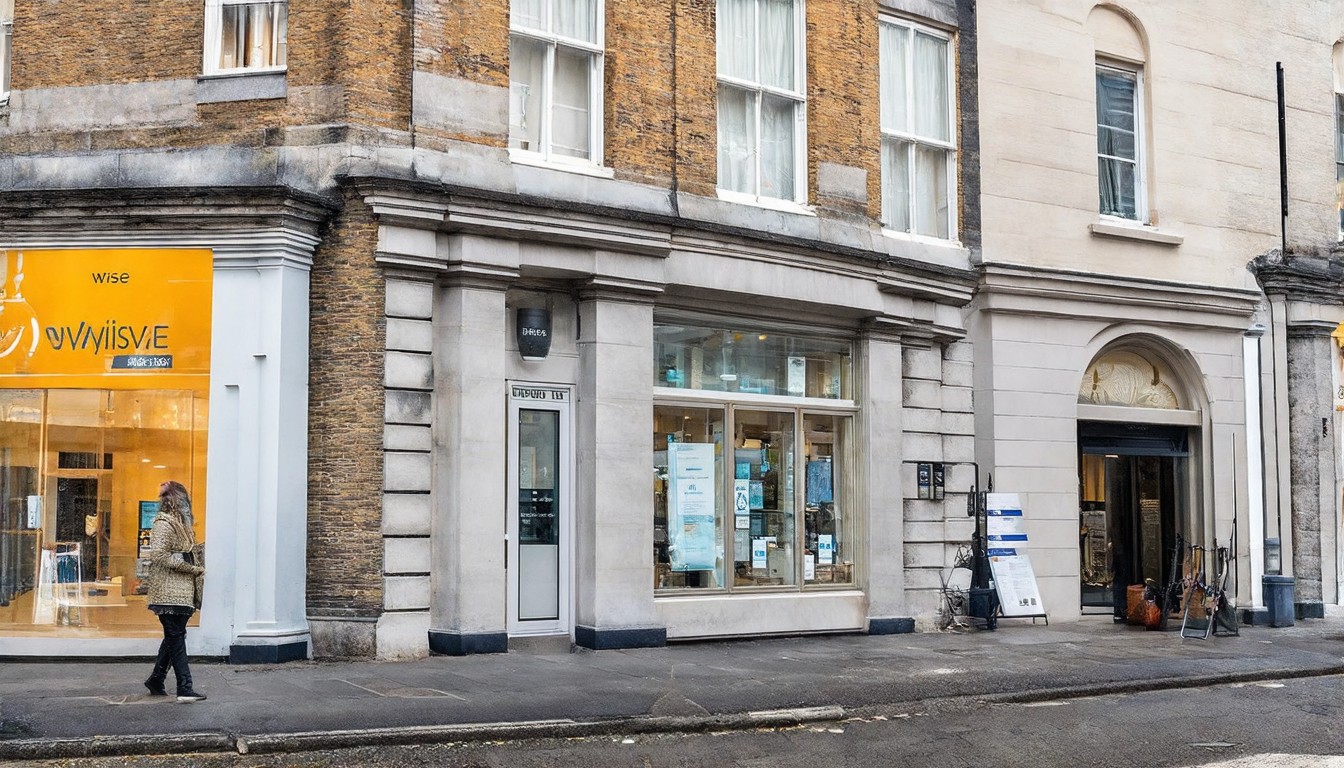
In recent years, the financial services industry in the UK has witnessed a significant shift as fintech companies have begun to challenge traditional high-street banks. This trend is driven by the growing demand for more innovative, user-friendly, and cost-effective services. Two companies at the forefront of this race are Wise and Klarna, both of which have recently announced plans to expand their offerings and attract customers away from established banks.
Klarna, a Swedish fintech company, made headlines last year when it announced its pivot to become a full-service bank. This move was seen as a bold step in the fintech landscape, as Klarna shifted its focus from its original niche of providing credit for online purchases to offering a comprehensive range of banking services. The company's decision to become a bank was driven by its ambition to provide customers with a seamless financial experience, integrating its existing services with new offerings such as savings accounts, loans, and credit cards.
Wise, a UK-based fintech company known for its international money transfers and currency conversion services, has now followed Klarna's lead by announcing plans to roll out current accounts. This move is part of Wise's strategy to diversify its services and appeal to a broader customer base. By offering current accounts, Wise aims to provide a simple, affordable, and transparent banking alternative to high-street banks. The company's current accounts will likely emphasize features such as low fees, competitive interest rates, and easy access through its existing app, which already has a strong user base.
The competition between fintechs and high-street banks is intensifying as more customers seek alternatives to traditional banking services. High-street banks have long dominated the UK market, but their reputation for high fees, complex products, and slow customer service has led many consumers to look for better options. Fintechs, with their focus on digital innovation and user experience, are well-positioned to capitalize on this shift.
Wise and Klarna are not the only fintech companies vying for market share. Other players such as Revolut, Starling Bank, and Monzo have already established themselves as viable alternatives to high-street banks. These companies have successfully attracted customers by offering competitive interest rates, no account-keeping fees, and a range of digital tools to manage finances.
The race between fintechs and high-street banks is likely to continue as both sides strive to adapt to changing consumer expectations. High-street banks are beginning to recognize the need for innovation, investing in digital transformation and enhancing their online services. However, the fintechs, with their agility and focus on customer-centric design, may hold a significant advantage in the long run.
For consumers, the increased competition is a double-edged sword. While it has led to more innovative and affordable services, it also means that customers must carefully evaluate their options to ensure they are getting the best value for their money. The rise of fintechs in the UK banking sector is a testament to the power of technology and the evolving needs of modern consumers. As the race heats up, it remains to be seen which companies will emerge as the ultimate winners in this financial revolution.