
Filmmaker Hidde Boersma: Why High-Yield Innovation Belongs at the Centre of Sustainability
This two-part interview with Dutch science journalist and filmmaker Dr. Hidde Boersma examines how a 1970s “harmony with nature” narrative came to define sustainability by promoting less growth and less technology. Boersma argues this mindset undermines high-yield agriculture, plant breeding and food security, and makes the case for a more inspiring sustainability story based on innovation, abundance and land-sparing solutions. The post Filmmaker Hidde Boersma: Why High-Yield Innovation Belongs at the Centre of Sustainability appeared first on Seed World .
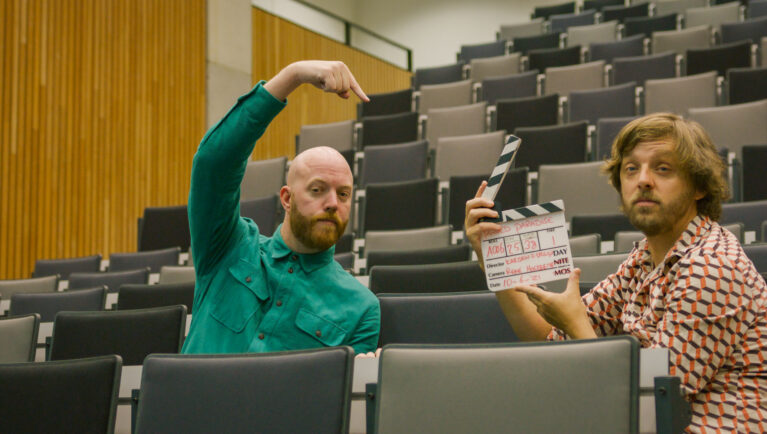
In the current sustainability debate, progress is often met with suspicion. Growth is framed as excess, technology as hubris, and productivity as something to be restrained rather than refined. This dominant narrative, which posits that protecting nature requires doing less, producing less, and scaling back human ambition, is not as timeless or inevitable as it might seem. In fact, it has a very specific origin, and an increasingly uneasy relationship with the realities of feeding a growing world.
This two-part conversation explores this tension through the work and thinking of Dutch science journalist, filmmaker, and activist Dr. Hidde Boersma. In Part 1, we trace how the prevailing “harmony with nature” narrative emerged, why it continues to shape public opinion and policy, and how it has left high-yield agriculture, including plant breeding and the seed sector, simultaneously indispensable and misunderstood.
Boersma explains why sustainability framed as sacrifice struggles to inspire, and why an alternative story rooted in abundance, innovation, and land-sparing may be better suited to the challenges ahead. In Part 2, we follow what happens when that alternative narrative moves from theory into action, through NGOs, films, campaigns, and cultural storytelling aimed at changing not just minds, but the emotional language of sustainability itself.
Seed World Europe (SWE): Hidde, your work spans microbiology, journalism, filmmaking, activism, and even theatre. What personal journey or pivotal moment led you to dedicate your career to challenging dominant sustainability narratives and advocating for a more techno-optimistic, high-yield vision for the future of food?
Hidde Boersma (HB): I often explain this in two layers. The first is why I felt a new sustainability narrative was necessary in the first place. I grew up in the 1970s, a decade that saw the rise of environmentalism and the publication of Rachel Carson’s Silent Spring. These events instilled in me a deep respect for nature and a concern for its preservation. However, as I delved deeper into the subject, I began to notice a disconnect between the rhetoric and the reality of sustainability.
The “harmony with nature” narrative, which emphasized simplicity, restraint, and a return to pre-industrial ways, seemed to ignore the complexities of modern agriculture and the challenges of feeding a rapidly growing global population. This led me to question whether this mindset was truly sustainable or if it was, in fact, undermining the very goals it claimed to support.
My second layer of motivation came from my scientific background. As a microbiologist, I witnessed firsthand the incredible potential of technology and innovation to solve complex problems. I realized that high-yield agriculture, plant breeding, and advanced seed technologies could play a crucial role in feeding the world without sacrificing the environment.
This realization prompted me to shift my focus from traditional environmentalism to a more inclusive and optimistic vision of sustainability. I began to advocate for a narrative that celebrates abundance, innovation, and land-sparing solutions, rather than viewing them as threats to nature.
Through my work in journalism, filmmaking, and activism, I have sought to challenge the dominant sustainability narrative and promote a more nuanced understanding of the relationship between humanity and the environment. I believe that by embracing high-yield innovation, we can create a future where food security, environmental protection, and human well-being go hand in hand.
In Part 1, we delve into the origins of the “harmony with nature” narrative and its impact on sustainability discourse. We explore how this mindset has shaped public opinion and policy, and how it has left high-yield agriculture and plant breeding in a precarious position.
Boersma argues that the prevailing sustainability narrative, which promotes less growth and less technology, is not only counterproductive but also fails to inspire. He contends that an alternative story rooted in abundance, innovation, and land-sparing solutions is better suited to the challenges of feeding a growing world.
In Part 2, we examine how this alternative narrative is being put into action through various initiatives, including NGOs, films, campaigns, and cultural storytelling. We explore the efforts to change not just minds but the emotional language of sustainability itself, in order to create a more inclusive and optimistic vision for the future of food.
Through his work, Boersma seeks to challenge the status quo and promote a more balanced and forward-thinking approach to sustainability. He believes that by embracing high-yield innovation, we can create a future where progress and environmental protection are not mutually exclusive, but rather complementary goals.
In conclusion, the sustainability debate is shaped by a narrative that has its roots in the 1970s and a specific worldview. However, as the world faces the challenges of feeding a growing population, it is becoming increasingly clear that this narrative may not be the most effective or inspiring path forward.
By embracing high-yield innovation and a more optimistic vision of sustainability, we can create a future where progress and environmental protection go hand in hand, ensuring food security and a better world for all.









