FIFA Fan Festivals In New Jersey: Different Parks, Different Risks, Same Security Expectations?
The uncomfortable truth is that 'festival vibes' do not replace serious planning. The post FIFA Fan Festivals In New Jersey: Different Parks, Different Risks, Same Security Expectations? appeared first on Above the Law .
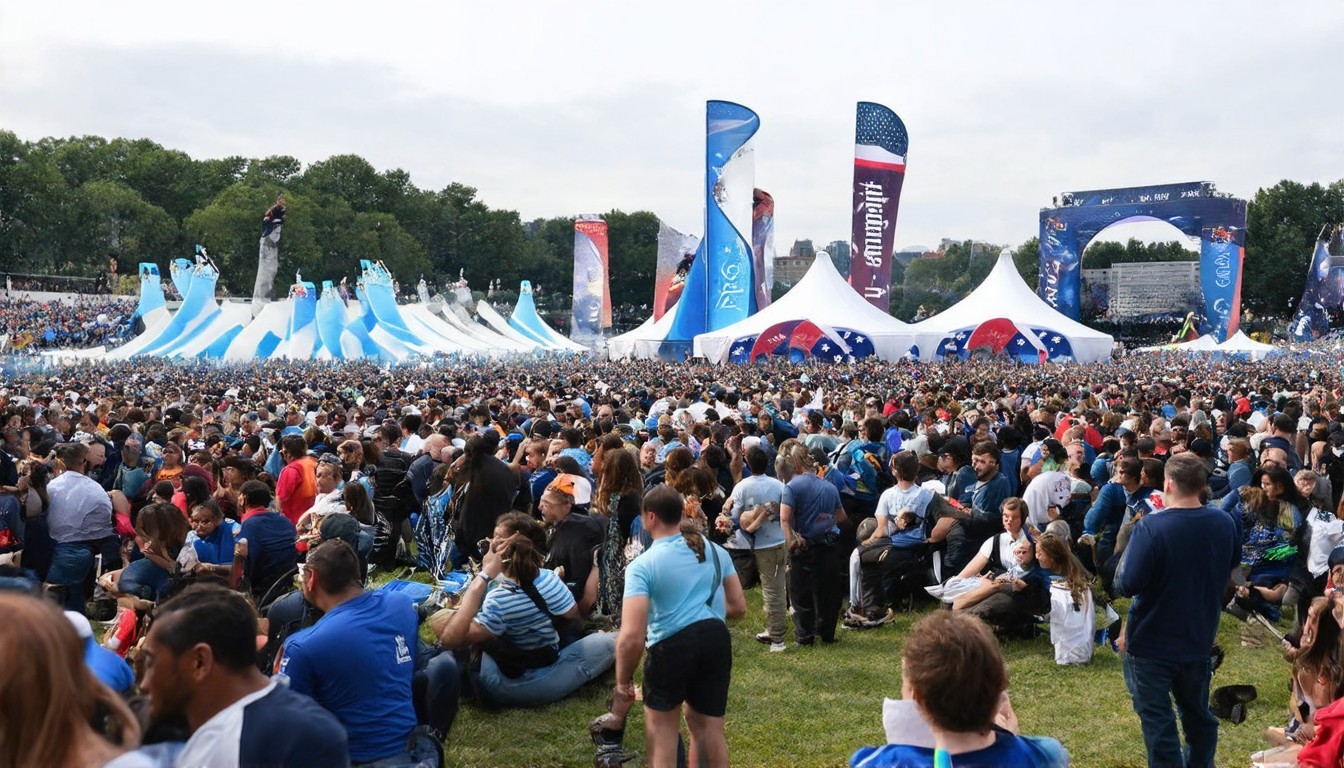
The FIFA Fan Festivals in New Jersey are set to bring together soccer enthusiasts from around the world, offering a vibrant atmosphere of music, screenings, and camaraderie. However, behind the scenes, these events require meticulous planning to ensure the safety and enjoyment of attendees. The challenge lies in managing the diverse range of venues, each with its unique risks and security considerations.
New Jersey has planned several fan festival sites, including Riverside Park in Lyndhurst, Overpeck Park in Bergen County, downtown Secaucus, downtown East Rutherford, and an undisclosed additional location. Among these, Liberty State Park is expected to host the primary official FIFA Fan Festival during the tournament window. This variety of locations means that organizers must address different environments, each with its own layout, infrastructure, ownership structure, and risk profile.
Public safety is a top priority, and the same patterns of crowd behavior and potential hazards emerge in these large gatherings. Crowd density often builds in narrow areas, leading to congestion and slow movement. Temporary cables crossing walkways can obstruct paths and pose tripping risks. Rain can turn open ground into slippery terrain, while alcohol consumption may lower inhibitions and increase incidents. Heat can strain medical response capabilities, and traffic congestion can force pedestrians onto roadways.
Parks present specific challenges, such as uneven terrain that may disappear under foot traffic, turning grass into mud. Generators and cables in the background can interfere with walkways, while medical teams must navigate wide open spaces instead of defined routes. Downtown sites introduce additional pressures, as streets become part of the venue, sidewalks transform into lines, and ride-share drop-offs compete with foot traffic. Buildings create natural choke points, further complicating crowd flow.
Organizers must also consider the impact of temporary structures, which can obstruct emergency routes and limit access for medical teams. The layout of venues plays a crucial role in determining evacuation plans and emergency response times. For instance, a park with dense vegetation or narrow pathways may hinder rapid evacuation, while a downtown area with limited parking could complicate emergency vehicle access.
In addition to these challenges, the undisclosed location adds an element of uncertainty. Organizers must ensure that whatever site is chosen, it meets the necessary safety standards and can accommodate the expected crowds without compromising security.
Ultimately, the success of these fan festivals hinges on the ability to anticipate and mitigate risks. While the festive atmosphere is essential, it cannot replace the need for thorough planning and preparedness. By addressing the unique challenges posed by each venue and prioritizing public safety, organizers can create a memorable and secure experience for fans across New Jersey.