Fierce Pharma Asia—Trump’s 100% drug tariff; Takeda layoffs; Lilly, Insilico's AI deal
The U.S. will impose a 100% tariff on drug imports with some exceptions. Takeda plans to cut 634 jobs in the U.S. as part of its $1.26 billion savings plan. Eli Lilly deepened its relationship with AI drug-discovery expert Insilico Medicine through a deal worth up to $2.75 billion. And more.
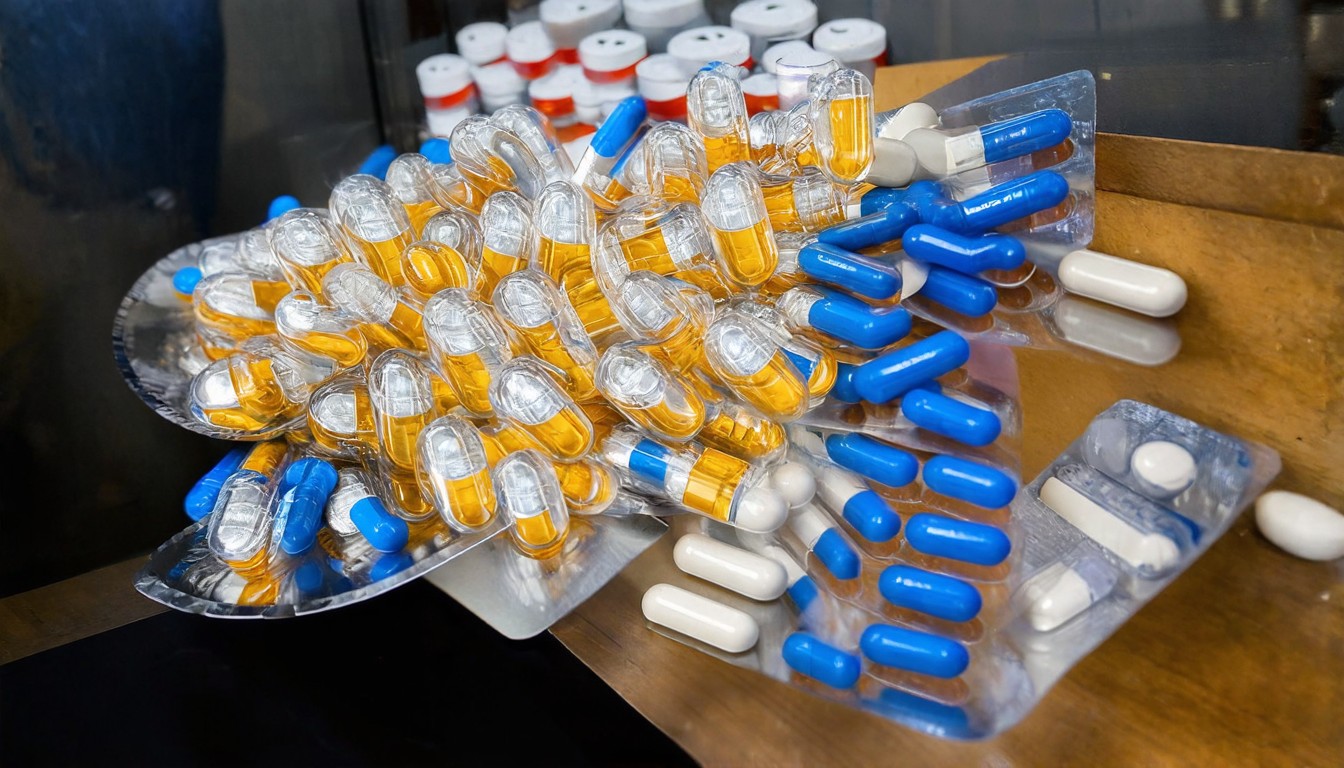
The U.S. government's decision to impose a 100% tariff on drug imports has sent shockwaves through the pharmaceutical industry, prompting companies to reassess their strategies and operations. This unprecedented move, part of President Trump's broader trade policies, aims to reduce reliance on foreign drug manufacturers and stimulate domestic production. However, the tariffs, which will apply to most imported pharmaceuticals, have also led to concerns about potential price hikes for consumers and the impact on global supply chains.
Among the companies affected by these new tariffs is Takeda Pharmaceutical Company, a Japanese multinational pharmaceutical giant. In response to the tariffs and the need to streamline its operations, Takeda announced a plan to cut 634 jobs in the United States. This downsizing is part of a larger $1.26 billion savings initiative, which includes restructuring and reducing costs in various areas. The layoffs will primarily affect Takeda's research and development facilities, as well as administrative and support roles. While the company has not specified which locations will be impacted, the announcement has raised questions about the future of drug development and innovation in the U.S.
Meanwhile, Eli Lilly and Company, one of the largest pharmaceutical companies in the world, is taking a different approach to the challenges posed by the tariffs and the rapidly evolving landscape of drug discovery. In a bid to accelerate its research and development capabilities, Lilly has deepened its partnership with Insilico Medicine, a pioneering AI-driven drug discovery firm. The deal, valued at up to $2.75 billion, represents a significant investment in the potential of artificial intelligence to revolutionize the pharmaceutical industry.
Under the agreement, Insilico Medicine will leverage its advanced AI algorithms to help Lilly identify new drug targets and accelerate the development of potential treatments. This collaboration is expected to enhance Lilly's ability to bring innovative medicines to market more quickly and efficiently, a critical advantage in an industry where time-to-market is often a decisive factor. The deal also underscores the growing importance of AI in the pharmaceutical sector, as companies seek to stay competitive in the face of intense R&D pressures and the need for breakthrough therapies.
The U.S. tariff on drug imports, Takeda's layoffs, and Lilly's partnership with Insilico Medicine are just a few of the many developments shaping the pharmaceutical industry in the coming months. As companies navigate these changes, the focus will likely remain on balancing cost efficiency, innovation, and the need to meet the evolving needs of patients. The interplay between trade policies, technological advancements, and corporate strategy will continue to drive the industry forward, with far-reaching implications for both domestic and global markets.
In addition to these developments, the broader pharmaceutical sector is also grappling with the challenges posed by the COVID-19 pandemic, which has highlighted the critical role of the industry in addressing global health crises. As the world moves towards recovery, the need for affordable, effective medicines and vaccines will remain a top priority. The combination of trade policies, technological innovation, and the pressing demands of public health will shape the trajectory of the pharmaceutical industry in the years to come.
As companies like Takeda and Eli Lilly adapt to the new landscape, the focus on domestic production and innovation becomes increasingly important. The tariffs, while controversial, may inadvertently spur investment in domestic manufacturing and research facilities, fostering a more self-sufficient pharmaceutical ecosystem. However, the long-term effects of these policies on affordability and access to medicines remain uncertain, particularly for those reliant on imported drugs.
In the meantime, the partnership between Lilly and Insilico Medicine serves as a reminder of the transformative potential of AI in drug discovery. As the technology continues to advance, it has the potential to redefine the industry by accelerating the identification of new drug targets and streamlining the development process. This, in turn, could lead to faster, more cost-effective solutions for a wide range of medical conditions.
As the pharmaceutical industry adjusts to these significant changes, the interplay between trade, technology, and corporate strategy will continue to shape the future of drug development and access. The challenges posed by the tariffs, the need for innovation, and the pressing demands of global health crises will require thoughtful, strategic responses from companies and policymakers alike. The coming months and years will be pivotal in determining how the industry navigates these complexities and delivers the medicines and therapies needed to improve lives around the world.