
Fed Governor Miran still backs cuts, says interest rates could be 'about a point' lower this year
Federal Reserve Governor Stephen Miran spoke Monday on CNBC's "Squawk on the Street."
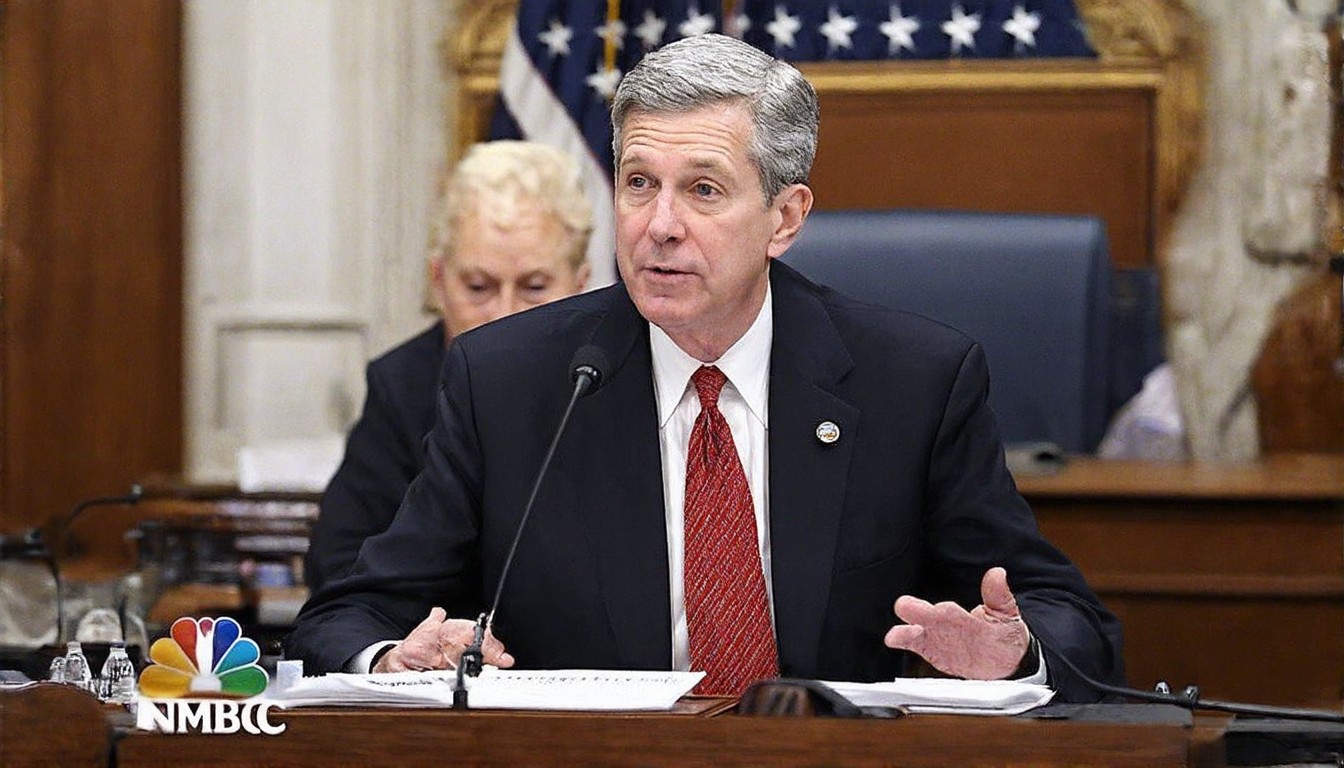
Federal Reserve Governor Stephen Miran recently appeared on CNBC's "Squawk on the Street" to discuss the future of interest rates, reaffirming his support for further rate cuts. In a statement that has drawn attention from financial analysts and the public alike, Miran suggested that interest rates could be "about a point" lower this year compared to current levels. This position aligns with his previous statements, where he has consistently argued for a more accommodative monetary policy to support economic growth and stabilize inflation.
Miran's comments come at a time when the Federal Reserve is navigating a delicate balance between managing inflation and fostering economic recovery. While some policymakers have expressed concerns about the risks of prolonged low interest rates, Miran has remained steadfast in his belief that the benefits of a lower rate environment outweigh the potential drawbacks. He emphasized the importance of considering the broader economic landscape, including factors such as labor market conditions and global economic trends, in making rate decisions.
In his appearance on CNBC, Miran highlighted the ongoing recovery from the recent economic downturn and the challenges faced by households and businesses. He argued that a more accommodative stance on interest rates could help stimulate economic activity and ensure that the recovery remains robust. Additionally, he noted that the Fed's tools should be used judiciously to avoid creating imbalances in financial markets.
Miran's stance on interest rates is not without opposition within the Federal Reserve. Some colleagues have cautioned against aggressive rate cuts, warning that they could lead to inflationary pressures or asset bubbles. However, Miran has countered these concerns by pointing to historical data and economic models that suggest a moderate rate cut could be beneficial. He has also emphasized the importance of adaptability in monetary policy, arguing that the Fed must be prepared to adjust its approach as new information emerges.
The potential for a significant rate cut this year could have far-reaching implications for consumers, businesses, and investors. Lower interest rates typically lead to cheaper borrowing costs, which can encourage spending and investment. For consumers, this could translate into more affordable mortgages and personal loans, while businesses might see increased investment in projects and expansion. Investors could also benefit from lower yields on government bonds, potentially driving capital towards riskier assets such as stocks or real estate.
However, the impact of a rate cut is not uniformly positive. Lower interest rates can also lead to inflationary pressures, as increased spending and borrowing can drive up prices. Additionally, a significant cut could negatively affect the dollar's value, making imports more expensive and potentially exacerbating inflation. There is also the risk that a prolonged period of low rates could lead to complacency among savers, reducing the incentive to save and invest.
Despite these potential risks, Miran remains optimistic about the benefits of a more accommodative monetary policy. He has called for a balanced approach that takes into account the evolving economic landscape and the need to support long-term growth. His comments have reignited the debate within the Federal Reserve about the appropriate level of interest rates and the best way to navigate the complex challenges facing the economy.
In conclusion, Federal Reserve Governor Stephen Miran's recent remarks on CNBC highlight his continued advocacy for interest rate cuts, potentially lowering rates by a full percentage point this year. While his position is not without opposition, Miran's arguments underscore the importance of a flexible and data-driven approach to monetary policy. As the Fed continues to deliberate on its next steps, the potential impact of a rate cut on consumers, businesses, and investors remains a topic of keen interest and discussion.









