Fed Governor Miran still backs cuts, says interest rates could be 'about a point' lower this year
Federal Reserve Governor Stephen Miran spoke Monday on CNBC's "Squawk on the Street."
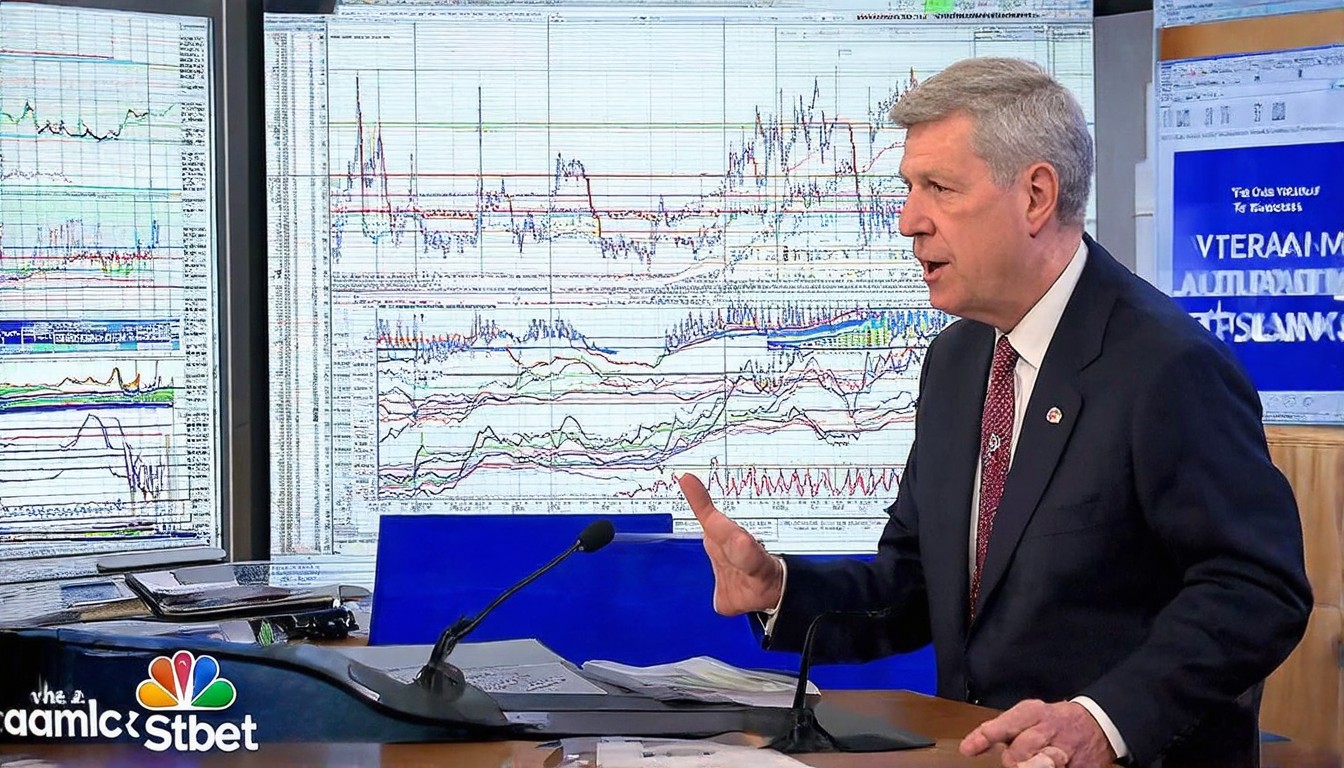
Federal Reserve Governor Stephen Miran recently appeared on CNBC's "Squawk on the Street" to discuss the future of interest rates, reaffirming his support for further rate cuts. In a statement that has raised eyebrows among financial analysts, Miran suggested that interest rates could be "about a point" lower than previously anticipated this year. This position contrasts with some members of the Federal Open Market Committee (FOMC), who have expressed concerns about the potential risks of a more aggressive rate reduction.
Miran's comments come at a time when the global economy is facing significant challenges, including slowing growth in key markets and rising inflationary pressures. In his appearance, he emphasized the importance of maintaining a flexible approach to monetary policy to ensure stability and support economic growth. He argued that the Fed should be proactive in adjusting interest rates to counteract any adverse economic developments, even if it means taking a more aggressive stance than initially anticipated.
The governor's stance on rate cuts is not without its critics. Some economists have warned that a significant reduction in interest rates could lead to inflationary pressures, potentially undermining the central bank's efforts to stabilize prices. They also point out that lower rates could exacerbate existing income inequality and contribute to asset price bubbles. However, Miran countered these concerns, stating that the Fed has the tools and expertise to manage such risks effectively.
Miran's comments have prompted speculation about the internal dynamics of the FOMC. While the Fed has traditionally maintained a consensus-driven approach to monetary policy, recent public statements by individual governors have raised questions about the extent of disagreement within the committee. Analysts are now watching closely to see how the Fed will navigate these differing viewpoints in its upcoming policy decisions.
In addition to discussing interest rates, Miran also touched on the broader economic landscape, highlighting the importance of fiscal policy in supporting the recovery. He called for increased government spending to address areas such as infrastructure and education, arguing that these investments would be crucial for long-term growth. This emphasis on a combination of monetary and fiscal policies aligns with the approach taken by some major economies in recent years, such as the European Union and Japan.
Despite the challenges posed by the global economic environment, Miran remained optimistic about the prospects for recovery. He noted that consumer confidence is gradually improving, and that business investment is beginning to pick up. However, he cautioned that the path forward will not be easy, and that the Fed must remain vigilant in its efforts to support the economy.
In conclusion, Federal Reserve Governor Stephen Miran's recent comments on CNBC have reignited the debate over the appropriate pace of interest rate cuts. His assertion that rates could be "about a point" lower this year highlights the ongoing tensions within the FOMC and underscores the complexities of navigating a global economy facing multiple challenges. As the Fed prepares for its next meeting, financial markets will be closely monitoring the outcome, eager to see how the central bank will balance its goals of price stability and economic growth.