
FDP-Urgestein will Parteichef werden: Kubicki könnte die letzte Chance für die Liberalen sein
Wolfgang Kubickis Kandidatur für den Parteivorsitz ist ein Wagnis. Doch die FDP hat gerade wenig zu verlieren. Kubicki könnte der Impulsgeber sein, der sie dazu bringt, sich neu zu definieren.
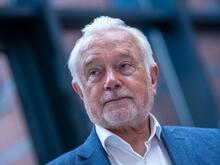
Wolfgang Kubicki, a seasoned politician and current vice chairman of the Free Democratic Party (FDP), has announced his candidacy for the party's leadership. This move is seen as a bold step, given the FDP's current state of decline and diminished influence in German politics. However, Kubicki's candidacy also presents an opportunity for the party to redefine itself and regain its former prominence.
The FDP, once a key player in coalition governments, has struggled to maintain its relevance in recent years. Polls consistently show the party hovering around the 5% threshold needed to enter the Bundestag, Germany's federal parliament. This has led to a sense of urgency within the party to revitalize its image and policies. Kubicki, known for his pragmatic approach and ability to build consensus, is seen as a potential catalyst for change.
Kubicki's decision to run for the party chairmanship is not without risks. The FDP's recent electoral performances have left many questioning the party's direction. Critics argue that the party has become too focused on traditional liberal policies, failing to adapt to the evolving political landscape. Kubicki's challenge will be to balance the party's core values with the need for modernization and innovation.
Despite the challenges, Kubicki's candidacy is viewed as a last chance for the FDP to regain its footing. The party has few resources to lose, and a fresh leadership could provide the impetus needed to rebuild its support base. Kubicki's experience as a long-serving member of the Bundestag and his reputation for pragmatic leadership could help bridge the gap between the party's traditional base and younger, more progressive voters.
One of Kubicki's key challenges will be to redefine the FDP's identity. The party has been criticized for its perceived lack of direction and inability to offer distinct policies in a crowded political field. Kubicki will need to articulate a clear vision that resonates with both existing supporters and potential new voters. This could involve revisiting traditional liberal principles or exploring new policy areas that align with contemporary concerns, such as climate change or digital transformation.
Another critical aspect of Kubicki's candidacy is his ability to unite the party. The FDP has faced internal divisions, with some factions advocating for a more centrist approach while others push for a return to classical liberalism. Kubicki's task will be to navigate these differences and present a unified front. This will require skillful diplomacy and a willingness to compromise, but it is essential if the FDP is to rebuild its credibility and attract new supporters.
Kubicki's candidacy also raises questions about the future of the FDP's coalition with the Christian Democratic Union (CDU). The CDU-FDP alliance has been a cornerstone of German politics, but recent tensions have emerged, particularly over economic and social policies. Kubicki will need to address these issues and reassure the CDU of the FDP's commitment to the partnership. This could involve renegotiating the terms of the coalition or finding new ways to collaborate on key issues.
In conclusion, Wolfgang Kubicki's candidacy for the FDP leadership is a significant development in German politics. While the party faces considerable challenges, Kubicki's candidacy offers a chance for renewal and redefinition. The FDP's future will depend on Kubicki's ability to navigate the complexities of German politics, rebuild the party's image, and secure the necessary support to regain its former influence. Only time will tell if Kubicki can deliver the necessary change and whether the FDP can reclaim its position as a vital player in Germany's political landscape.








