Farming for the Future: What SFI26 Means for England’s Farmers
Defra’s revamped Sustainable Farming Incentive offers a leaner, more accessible scheme — with 71 actions, a new £100,000 cap and a phased window system designed to bring more farms into the fold. After months of consultation, workshops and stakeholder engagement, the government has laid out its vision for the Sustainable Farming Incentive in 2026. The […] The post Farming for the Future: What SFI26 Means for England’s Farmers appeared first on Farming Monthly National .
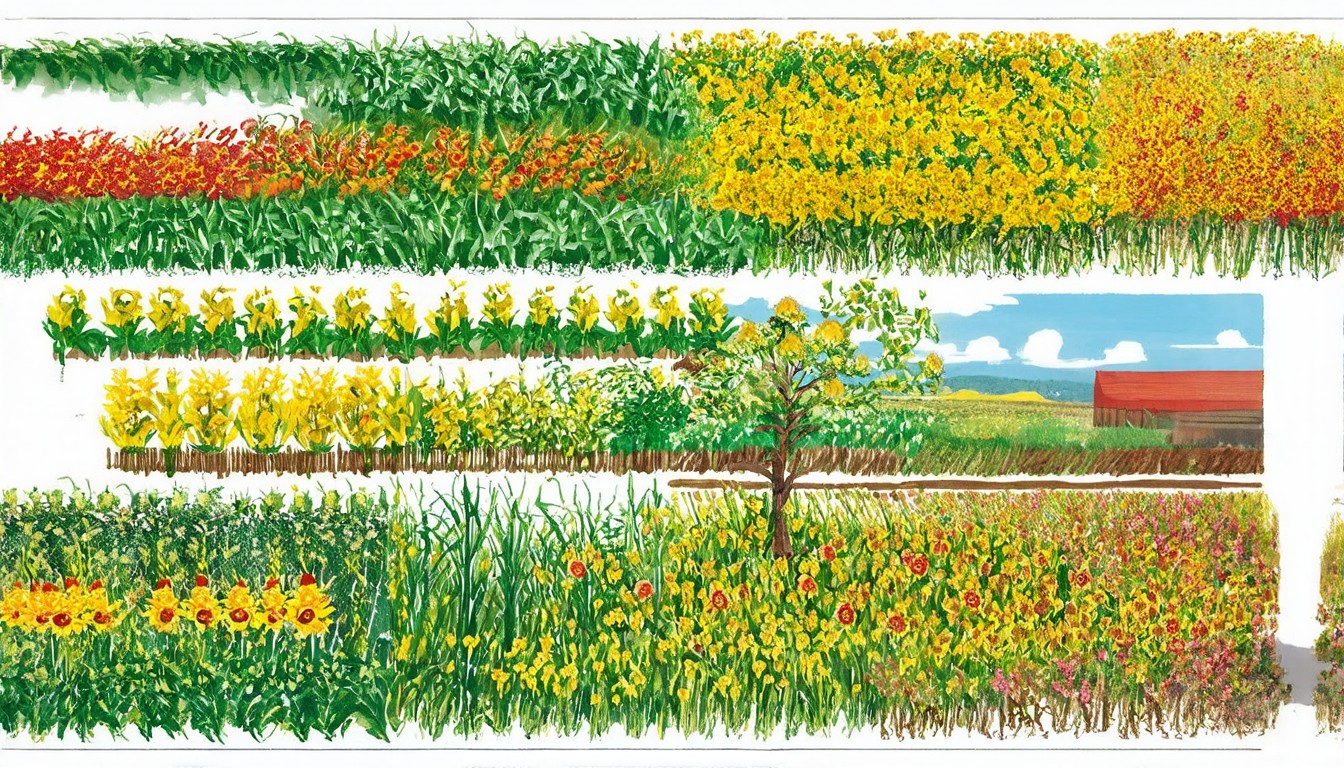
The government's revamped Sustainable Farming Incentive (SFI) for 2026, now known as SFI26, is set to bring significant changes to England's farming landscape. After months of consultation, workshops, and stakeholder engagement, Defra has unveiled a leaner, more accessible scheme designed to reach more farms across the country. The new initiative aims to simplify the application process, focus on actions that deliver measurable environmental benefits, and introduce a phased window system to encourage broader participation.
SFI26 replaces the 2024 offer with a streamlined set of 71 actions, a new £100,000 cap, and a phased window system. This marks a significant reduction from the previous 102 actions, with Defra prioritizing those that offer direct environmental value and better value for public money. The changes reflect a clear message: simpler, fairer, and more focused on delivering tangible outcomes on the ground.
The new scheme covers 14 broad themes, including agroforestry, boundary features, buffer strips, farmland wildlife on arable and grassland, heritage, integrated pest management, moorland, nutrient management, organic, precision farming, species recovery, soil health, and more. These themes ensure that both small and large farms, from upland moorland to mixed holdings in the lowlands, can find relevant actions to support their sustainability goals.
One of the most notable changes in SFI26 is the introduction of a phased window system. This means that farmers will have multiple opportunities to apply throughout the year, with specific windows opening at different times. This approach is designed to reduce the pressure on farmers to apply during a single, cramped timeframe, making the scheme more accessible and less stressful for applicants.
The new £100,000 cap on the scheme also signals a shift in approach. By capping the amount that can be claimed, Defra aims to ensure that the incentives are distributed more fairly and that smaller farms are not overshadowed by larger operations. This change reflects a commitment to supporting a wider range of farmers and their businesses.
However, the reduction in the number of available actions has seen some popular options phased out. The nutrient management assessment (CNUM1), integrated pest management plan (CIPM1), soil management plan (CSAM1), and moorland assessment (CMOR1) are among those that have been removed. Defra argues that these actions, while popular, did not deliver direct environmental benefits and generated more paperwork than tangible outcomes.
The government's focus on measurable outcomes is evident in the remaining actions. Farmers can expect to see a greater emphasis on practices that have a clear, positive impact on the environment, such as improved soil health, biodiversity conservation, and reduced nutrient runoff. This shift reflects a broader trend in policy, where the emphasis is on results rather than process.
For farmers, understanding the changes in SFI26 is crucial before the first application window opens in June. The simplified structure and new phased windows offer a more user-friendly experience, but the removal of some actions and the introduction of a cap mean that farmers must carefully consider their options and tailor their applications accordingly.
In conclusion, SFI26 represents a significant overhaul of the Sustainable Farming Incentive, designed to make the scheme more accessible, fair, and effective. By focusing on actions that deliver measurable environmental benefits and introducing a phased window system, Defra aims to engage a wider range of farmers in supporting England's agricultural sustainability goals. As the first application window approaches, farmers are encouraged to review the updated offer and plan their strategies to maximize the benefits of this revamped scheme.