Farmers Will Plant Less Corn and More Soy in 2026, USDA Says
Farmers intend to plant 95.3 million acres of corn and 84.7 million acres of soybeans in 2026, the USDA NASS said on Tuesday. Altogether, the USDA is estimating a total…
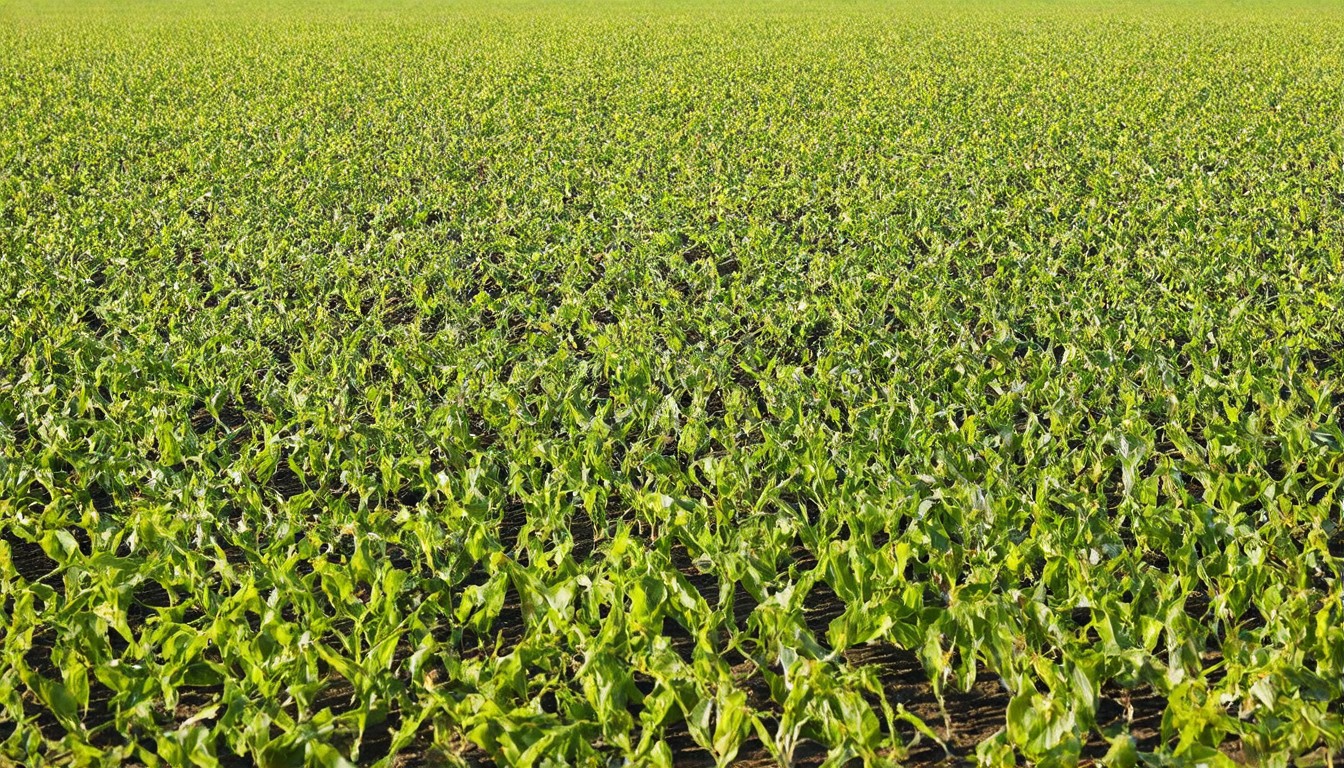
The United States Department of Agriculture (USDA) has released its latest National Agricultural Statistics Service (NASS) report, revealing a shift in crop planting patterns for the year 2026. Farmers are expected to plant 95.3 million acres of corn and 84.7 million acres of soybeans, marking a significant reduction in corn acreage and an increase in soybean plantings compared to previous years. This change in planting strategies is expected to have implications for the agricultural sector, commodity markets, and global food supply chains.
The decline in corn acreage is particularly notable, as corn has historically been a staple crop in the United States. The USDA attributes this shift to a combination of factors, including changing market conditions, evolving farmer preferences, and environmental considerations. In recent years, soybean prices have been more stable and often more lucrative than corn prices, which have been subject to greater volatility. This economic incentive has encouraged farmers to diversify their crops and invest in soybean production.
In addition to economic factors, environmental concerns are also influencing the decision to plant more soybeans. Soybeans are often considered a more sustainable crop compared to corn, as they require fewer resources and can help improve soil health. The USDA has been promoting conservation practices and crop rotation strategies to enhance long-term agricultural productivity and environmental sustainability. The increased planting of soybeans aligns with these goals, as soybeans are frequently grown in rotation with corn to prevent soil depletion and reduce the risk of pest outbreaks.
The reduction in corn acreage may also be linked to changes in demand patterns. Corn is primarily used for animal feed, ethanol production, and industrial applications. While the demand for ethanol has been relatively steady, the global market for animal feed has faced challenges due to fluctuating livestock prices and trade restrictions. This has led to a decrease in the profitability of corn production in some regions, prompting farmers to explore alternative crops.
The USDA's report also highlights the potential impact of this shift on global markets. The United States is one of the world's largest corn and soybean producers, and changes in domestic planting patterns can influence global supply and prices. As farmers plant more soybeans, there may be increased competition for land and resources, potentially driving up costs for soybean producers. Conversely, the decrease in corn acreage could lead to a surplus of corn on the global market, affecting prices and profitability for corn farmers.
Furthermore, the USDA is monitoring the potential effects of climate change on these crop planting decisions. Extreme weather events, such as droughts and floods, have become more frequent and severe, impacting crop yields and farmer confidence. As climate patterns continue to evolve, farmers may be forced to adapt their planting strategies to ensure the viability of their operations.
In conclusion, the USDA's report on 2026 crop planting plans reflects a complex interplay of economic, environmental, and market factors. The reduction in corn acreage and increase in soybean plantings signal a strategic shift in the agricultural sector, with implications for domestic and global markets. As the USDA and farmers navigate these changes, the focus will remain on balancing economic interests with the need to maintain sustainable and resilient agricultural systems.