
Farmers delay seed decisions as fertilizer costs and Iran conflict reshape 2026 planting plans
USDA data points to lower corn acreage and higher soybean plantings, while late-season adjustments increase as growers respond to volatile input markets.
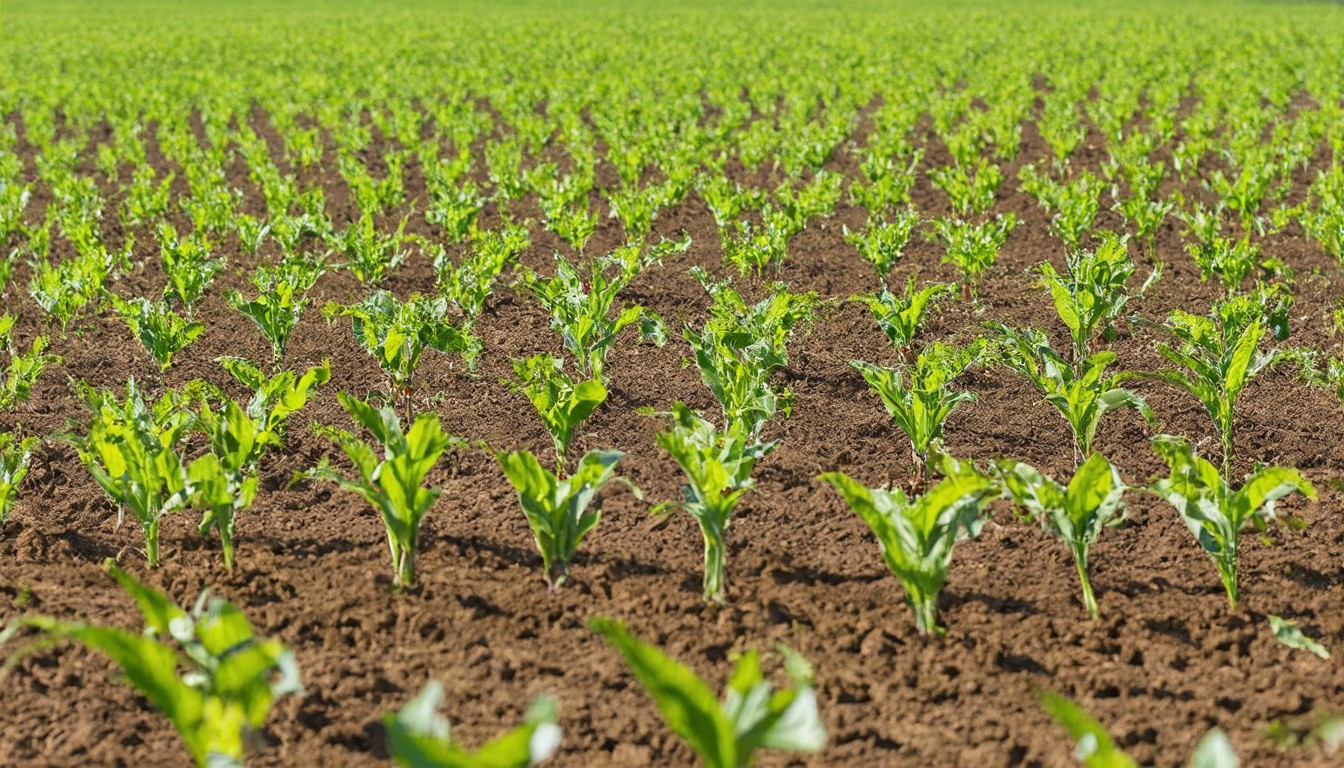
As the 2026 planting season approaches, many U.S. farmers are making unusually late decisions about what crops to sow, influenced by a combination of rising fertilizer costs and geopolitical tensions, particularly the ongoing conflict involving Iran. These factors are reshaping traditional planting strategies and prompting a shift in crop acreage, according to industry participants and government data.
One of the most significant impacts of the volatile input markets is the decline in corn acreage. Elevated fertilizer prices, driven in part by disruptions in global supply chains, are making it more expensive for farmers to grow corn, which is a fertilizer-intensive crop. In response, some growers are turning to soybeans, which require less fertilizer and are therefore more economical under current conditions. A representative from Stine Seed Company highlighted this trend, noting that the company has observed a surge in last-minute seed orders as farmers adjust their crop mixes closer to planting time.
David Thompson, the director of brand strategy at Stine Seed Company, told Brownfield Ag News that the markets seem to have already factored in an increase in soybean plantings. Thompson explained that soybeans, while still requiring fertilizer, are generally less dependent on it compared to corn, making them a more attractive option for farmers facing cost pressures. This shift is reflected in data from the US Department of Agriculture (USDA), which projects that corn acreage will decrease to 95.338 million acres in 2026, down from 98.788 million acres in the previous year. Conversely, soybean acreage is expected to rise to 84.7 million acres, an increase from 81.215 million acres the year before.
However, analysts caution that the USDA’s prospective plantings report, conducted in early March, may not fully capture the impact of the Iran conflict on fertilizer and fuel markets. As the situation continues to evolve, there is a possibility that corn acreage could decline further in subsequent revisions. The war in Iran has disrupted nitrogen fertilizer supplies from key exporting regions, leading to higher input costs for crops like corn and wheat, which are more reliant on fertilizers.
These cost increases are compounded by weak grain prices, elevated production costs, and ongoing uncertainty about Chinese demand for U.S. crops. The combination of these factors is squeezing farm margins, prompting growers to deviate from traditional crop rotations in favor of lower-input options. Many farmers are also delaying planting decisions later than usual, waiting for clearer insights into the economic landscape before making final decisions about their crops.
In the face of such volatility, farmers are forced to adapt their strategies, prioritizing crops that are more economically viable under the current conditions. While soybeans are gaining traction as a more cost-effective alternative to corn, the broader agricultural sector is grappling with the challenges posed by rising input costs and geopolitical uncertainty. As the 2026 planting season unfolds, it remains to be seen how these factors will shape the future of U.S. agriculture and the global food supply.








