Farm Level Efficiency and Input Utilization in Oyster Mushroom Cultivation: An Empirical Study of Nagaland
Introduction Chang and Miles1 states that mushrooms are a type of macrofungus that has the properties of a fruiting body that can either be hypogeous or epigeous. It is large enough to be seen with the naked eye and can be plucked by hand. With their nutritional, medicinal and pharmacological value, mushrooms have been of […]
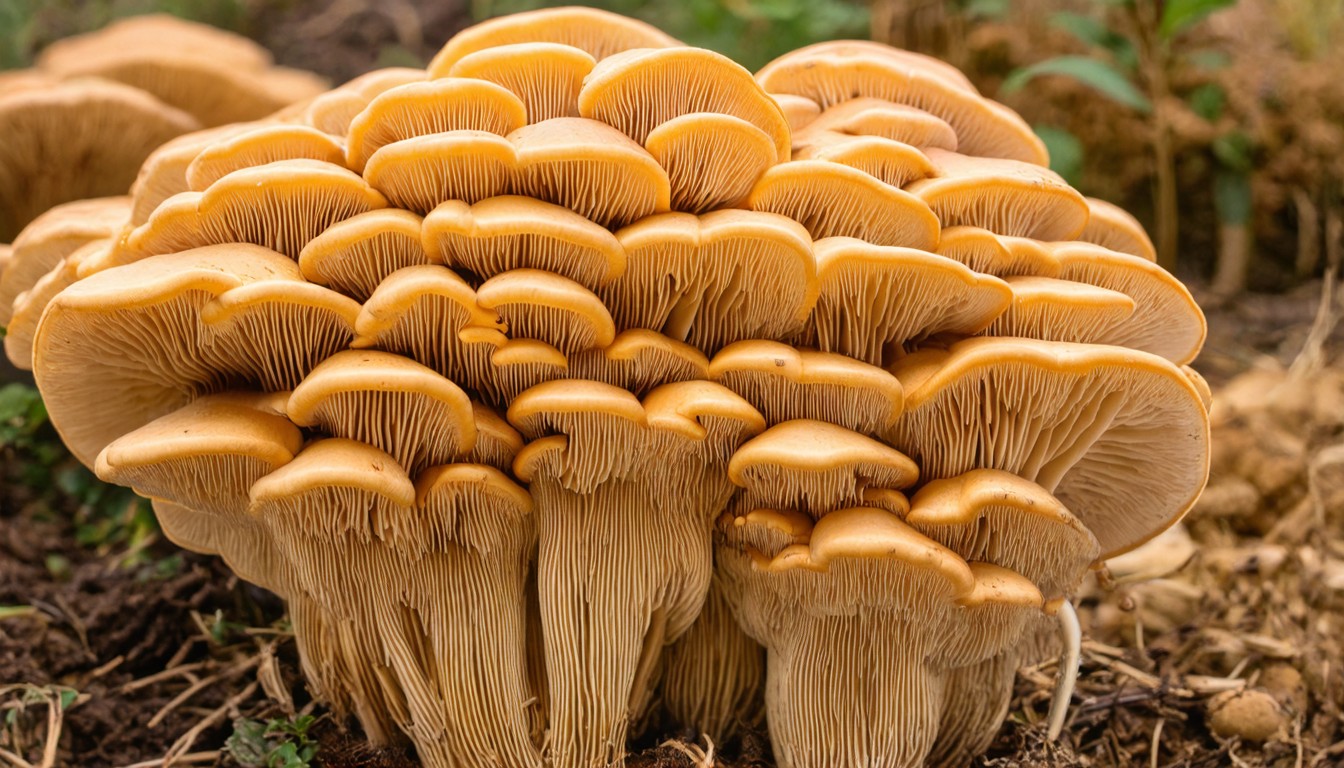
In recent years, the cultivation of oyster mushrooms in Nagaland has gained significant attention due to its potential to enhance food security and boost the local economy. Oyster mushrooms, a type of macrofungus, are known for their nutritional, medicinal, and pharmacological value, making them a valuable crop for both the food industry and biopharmaceutical sectors. This empirical study explores the farm-level efficiency and input utilization in oyster mushroom cultivation within Nagaland, providing insights into the challenges and opportunities faced by local farmers.
Oyster mushrooms, belonging to the Pleurotus genus, are epigeous fungi with fruiting bodies that can be easily harvested by hand. Their distinctive taste and high nutritional content, including proteins, vitamins, minerals, and dietary fibers, have made them a popular choice among consumers. The global diversity of mushrooms is estimated to be around 0.14 million species, with 14,000 clearly described and approximately 7,000 considered edible. Among these, over 2,000 species are safe for human consumption, and around 700 have documented pharmacological properties.
Mushrooms have a long-standing association with humans, providing biological, nutritional, and economic benefits. The 19th century marked the beginning of systematic mushroom harvesting and scientific research in India, which continues to this day. With approximately 850 species recorded across the country, India's diverse agro-climatic conditions offer a conducive environment for growing various mushroom species. These include the widely cultivated button mushroom (Agaricus bisporus), oyster mushrooms (Pleurotus spp.), and special varieties such as Shiitake (Lentinula edodes).
The annual production of mushrooms in India is estimated at around 0.24 million tonnes. Among the cultivated varieties, the white button mushroom accounts for nearly 73% of the country's total mushroom output, followed by oyster mushrooms, which contribute around 16%. The North-Eastern region of India, including Nagaland, is home to a large biodiversity of mushroom species, offering great potential for cultivation.
Nagaland, known for its lush forests and diverse flora, presents an ideal environment for oyster mushroom cultivation. The region's climate, characterized by moderate temperatures and high humidity, supports the growth of various mushroom species. Farmers in Nagaland have been adapting traditional farming practices to cultivate oyster mushrooms, leveraging the region's natural resources to maximize efficiency and productivity.
This empirical study focuses on analyzing the farm-level efficiency and input utilization in oyster mushroom cultivation within Nagaland. The research aims to identify the key factors that influence productivity, such as the type of substrate used, the cultivation method, and the management practices employed by local farmers. Additionally, the study examines the role of inputs, including labor, capital, and fertilizers, in determining the overall efficiency of oyster mushroom production.
One of the primary challenges faced by oyster mushroom farmers in Nagaland is the limited availability of high-quality substrate. Traditional methods of using agricultural waste or wood chips can be effective, but they may not consistently yield the desired results. The study explores alternative substrates, such as straw or crop residue, to determine their suitability for oyster mushroom cultivation.
Another critical factor influencing farm-level efficiency is the cultivation method. Oyster mushrooms can be cultivated using either the traditional pile method or the more modern submerged or semi-submerged methods. The study evaluates the advantages and disadvantages of each method, considering factors such as space requirements, labor intensity, and the risk of contamination.
The management practices employed by farmers also play a crucial role in determining the efficiency of oyster mushroom cultivation. These practices include monitoring temperature and humidity levels, controlling pests and diseases, and ensuring proper aeration. The study investigates the effectiveness of different management strategies in enhancing productivity and reducing losses.
Input utilization is another critical aspect of farm-level efficiency. Labor, capital, and fertilizers are essential inputs for oyster mushroom cultivation. The study analyzes the cost-effectiveness of different labor practices, such as manual or mechanized methods, and evaluates the impact of capital investment on productivity. Additionally, the study examines the role of fertilizers in improving mushroom growth and yield.
The findings of this empirical study will provide valuable insights into the factors that influence farm-level efficiency and input utilization in oyster mushroom cultivation within Nagaland. By identifying the most effective cultivation methods, management practices, and input utilization strategies, the study aims to support local farmers in optimizing their production and enhancing their economic prospects.
In conclusion, the cultivation of oyster mushrooms in Nagaland holds significant potential for boosting the local economy and improving food security. This empirical study seeks to understand the key factors that influence farm-level efficiency and input utilization in oyster mushroom cultivation, providing actionable recommendations for farmers and policymakers. By leveraging the region's natural resources and adopting best practices, Nagaland can establish itself as a leading producer of oyster mushrooms in India, contributing to the country's overall agricultural diversification and economic growth.