Farm accident survivor welcomes requirements for use of telehandlers
A farm accident survivor originally from Co. Sligo has welcomed the stringent requirements outlined by the Health & Safety Authority for the use of telehandlers, sometimes called teleporters. It follows comments made earlier this week by the Irish Creamery Milk Suppliers’ Association (ICMSA) claiming that the requirements were “over the top”. Such commentary has been […] The post Farm accident survivor welcomes requirements for use of telehandlers appeared first on Agriland.ie .
A farm accident survivor from County Sligo has expressed support for the stringent requirements introduced by the Health and Safety Authority (HSA) for the use of telehandlers, also known as teleporters. This comes after the Irish Creamery Milk Suppliers' Association (ICMSA) recently criticized the new guidelines, describing them as "over the top." The association argued that the training requirements would be excessively costly for farmers, with estimates suggesting a potential cost of €2,000 per employee for the course, wages, and PRSI.
Aengus Mannion, a farmer from Sligo who suffered severe injuries on a farm in Meath while operating a teleporter, has dismissed these concerns. Mannion, who was nearly severed from the waist down in a 2009 accident, has undergone extensive surgeries and rehabilitation since the incident. He strongly believes that the HSA's Code of Practice, which mandates appropriate training for operating telescopic telehandlers, is crucial for farm safety.
"When I see a story like that and comments giving out about training two days and cost, I can say, if I got the chance again, I would spend two weeks training if I could turn the clock back, to get a better knowledge of the machine," Mannion told Agriland. "What price do you put on someone's life, their legs, their arms, or their future?"
Mannion recounted the tragic day of his accident, when he was working on a beef farm in Meath. On a bright May evening, he went out to fix a fence. "The cattle had been let out," he said. "I jumped off the teleporter, the cattle were behind me. And with that, watching the cattle, I took my eye off the teleporter, and I believe they pushed it, and it came in behind me, and the teleporter impaled me into a tree."
The accident resulted in over nine hours of emergency surgery that night and numerous subsequent operations. Despite the harrowing experience, Mannion remains determined to highlight the importance of proper training and safety measures for telehandler operators.
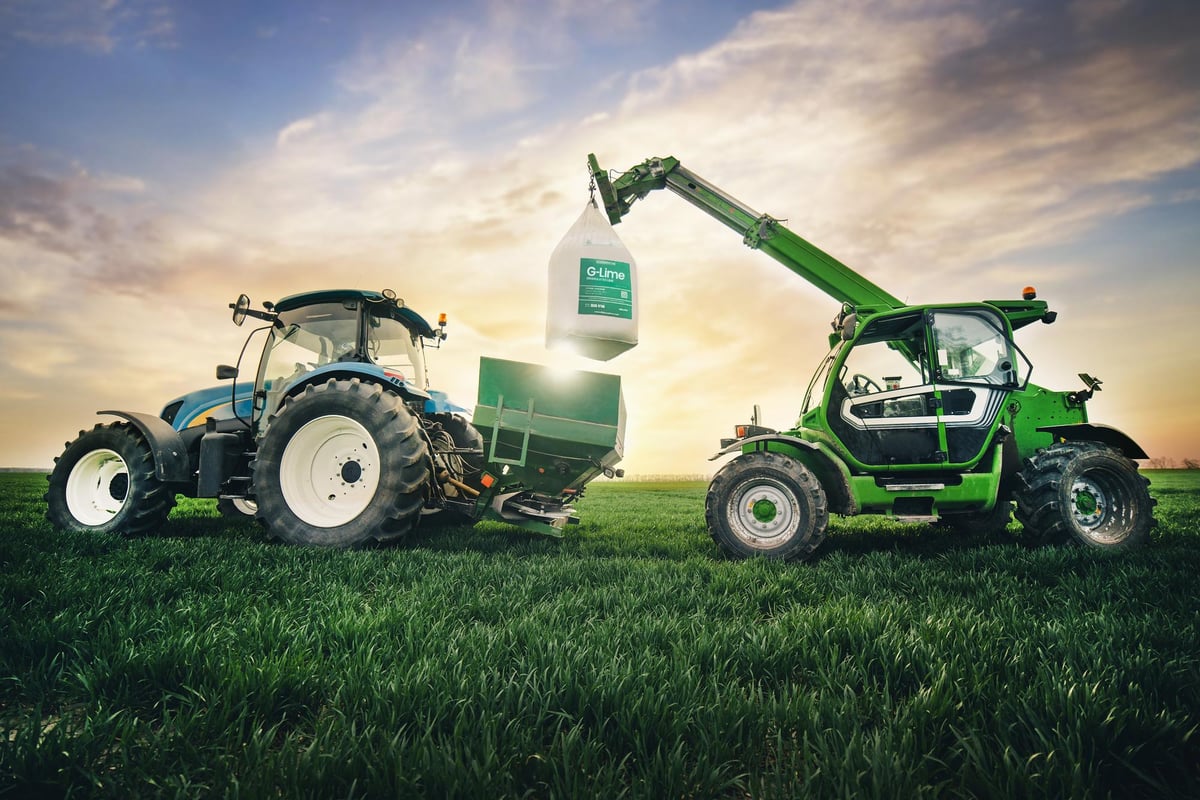
The HSA's Code of Practice requires farmers and employees to undergo appropriate training to safely operate telescopic telehandlers, which are commonly used for lifting items such as fertilizer bags or bales. While the ICMSA has criticized the cost implications of these requirements, Mannion's personal experience underscores the potential dangers of inadequate training.
"The ICMSA's stance is bonkers and out of order," Mannion said. "Farmers should prioritize the safety of their workers and invest in the necessary training. The cost is a small price to pay for preventing accidents like the one I suffered."
As the debate continues around the new HSA guidelines, Mannion's story serves as a powerful reminder of the importance of prioritizing safety on farms. By ensuring that operators are properly trained and equipped, the agricultural community can work together to prevent future tragedies and protect the well-being of those who work the land.