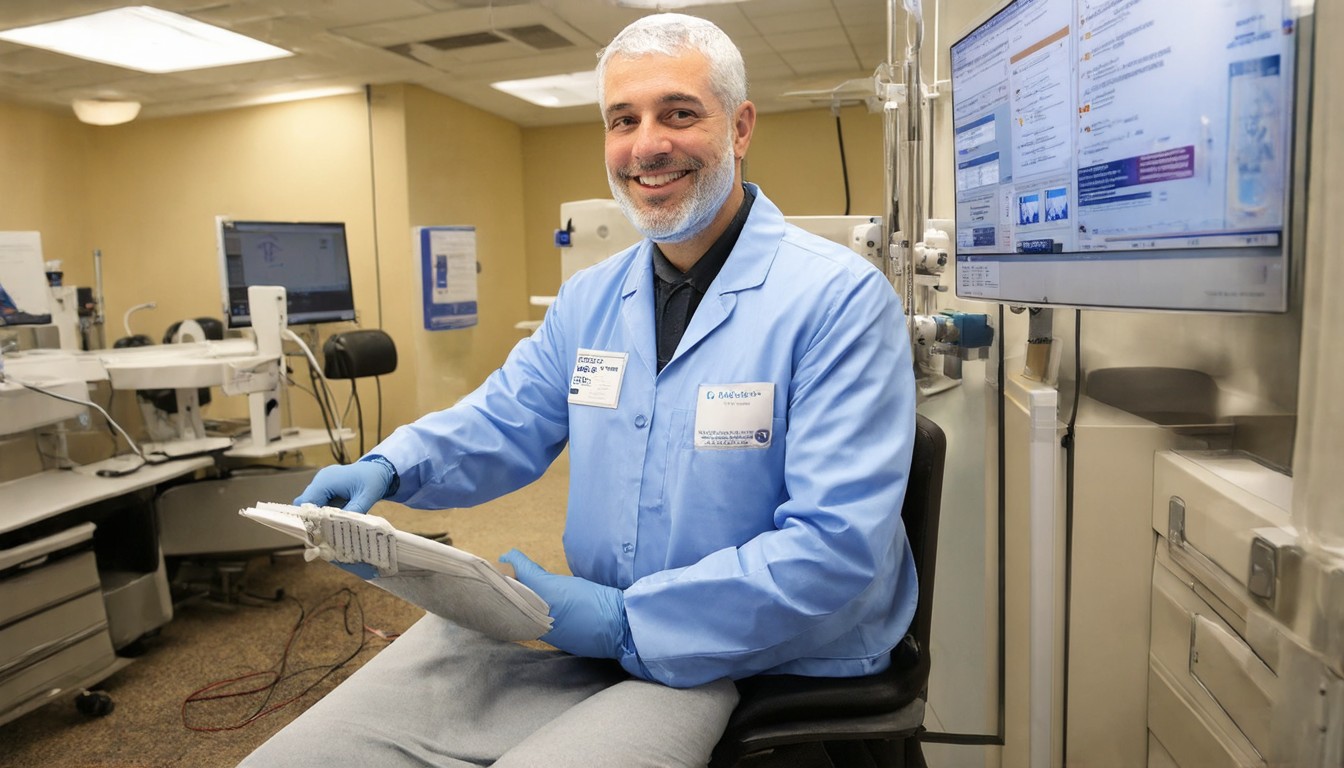
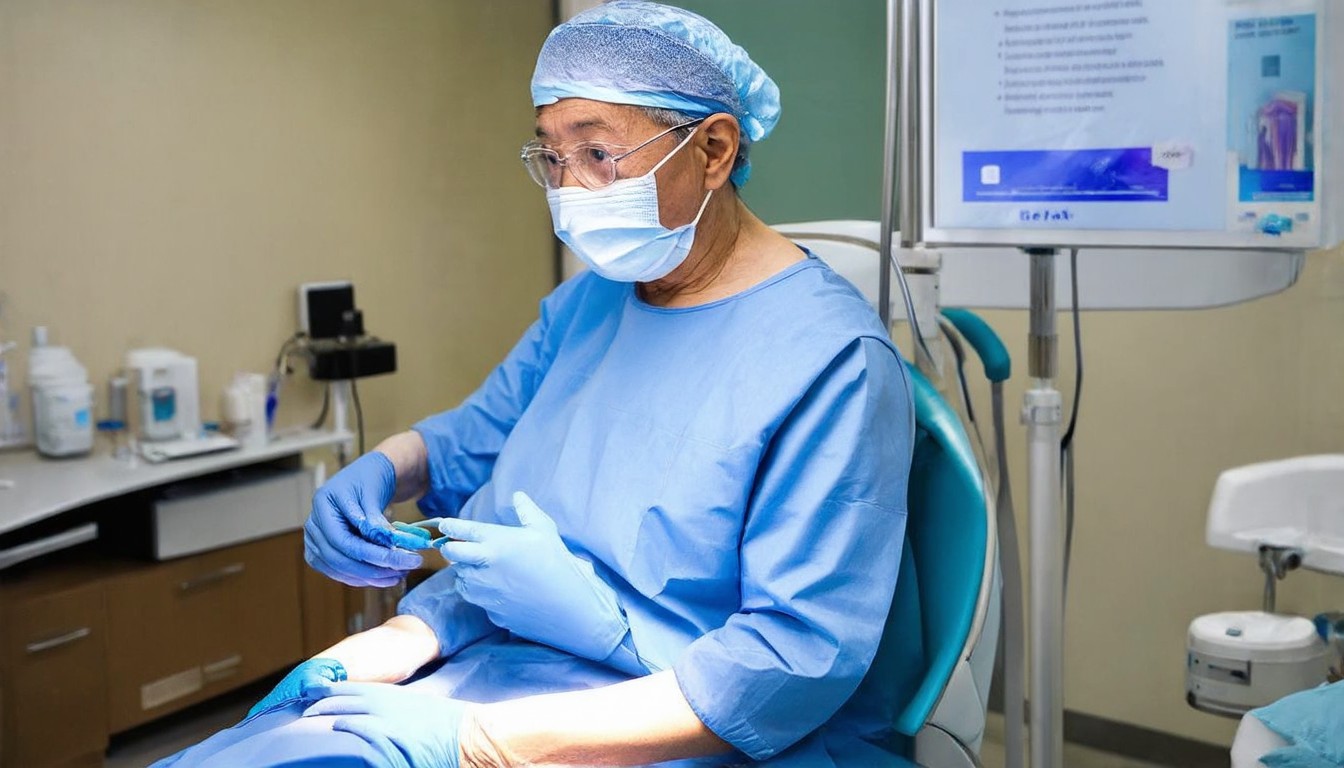
Family of young ICU patient who died while in the care of a 'teledoctor' sues hospital
The family of a University of Connecticut dental student who died in an intensive care unit overseen remotely by a “teledoctor” in his final hours has accused the hospital of negligence in a wrongful death lawsuit filed last month
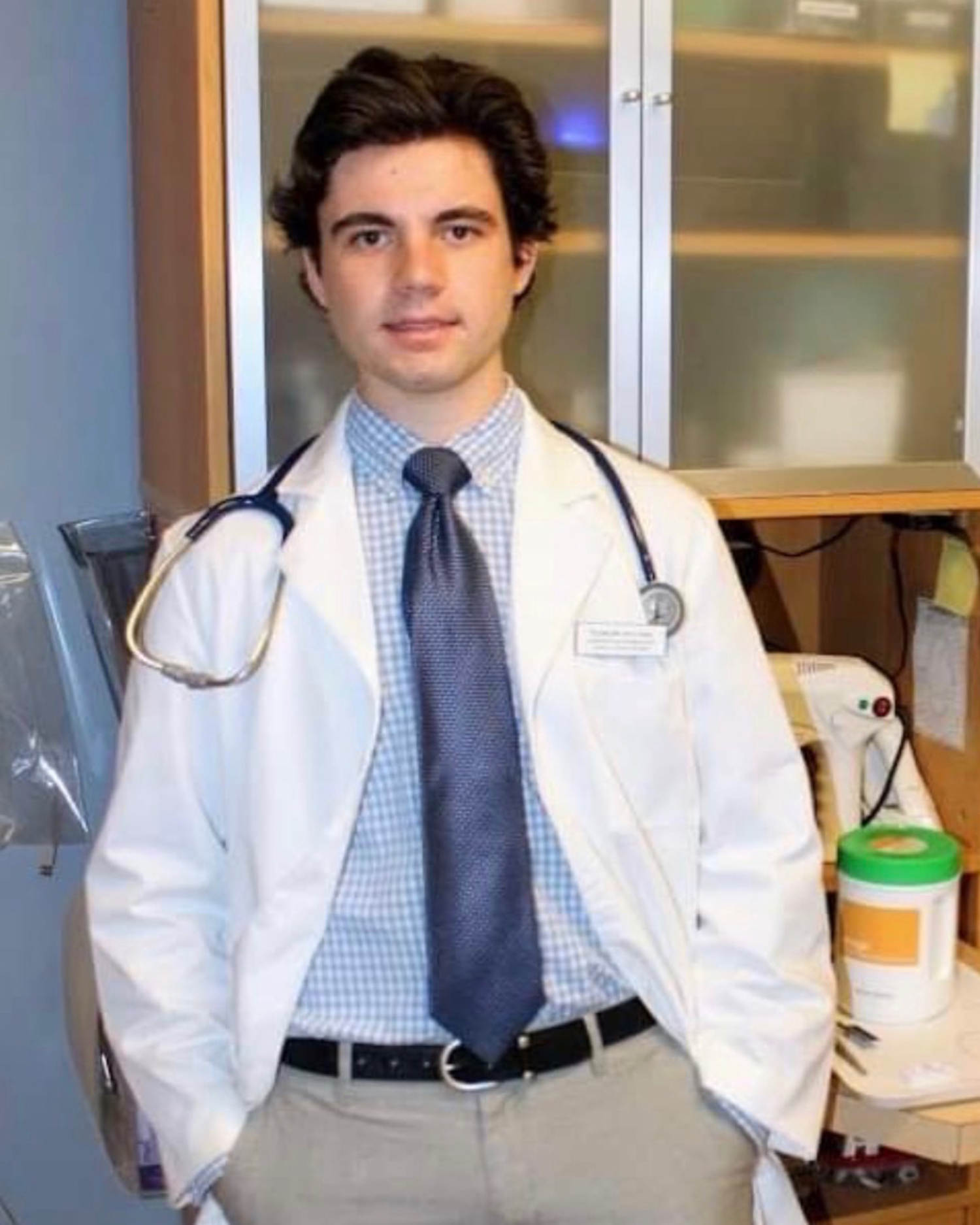
The family of Conor Hylton, a 24-year-old dental student at the University of Connecticut, has filed a wrongful death lawsuit against the hospital where he died in the intensive care unit (ICU). The lawsuit alleges that the hospital was negligent in its care, particularly in the final hours of Hylton's life, when he was under the care of a “teledoctor”—a doctor providing remote medical oversight.
Hylton was admitted to the hospital in critical condition due to complications from a severe allergic reaction. His family claims that despite his deteriorating condition, the hospital failed to provide adequate supervision and care, relying instead on a teledocctor who was not physically present at the hospital. The lawsuit argues that this remote care setup led to critical errors in Hylton's treatment, ultimately resulting in his death.
In the lawsuit, the family alleges that the hospital's reliance on teledocctors in the ICU was inconsistent with medical standards and put Hylton at risk. They contend that the hospital should have ensured that a doctor was physically present to monitor his condition closely. The family is seeking compensation for their loss and the emotional distress they have endured.
The hospital has not yet responded to the lawsuit, but the case raises important questions about the use of teledocctors in critical care settings. While remote medical oversight can be beneficial in certain situations, such as when a specialist is needed for a rare condition, critics argue that it may not be suitable for patients in the ICU, where immediate and constant attention is crucial.
Conor Hylton's family is not alone in their concerns. Recent studies have highlighted the potential risks of teledocctor care, particularly in high-stakes environments like the ICU. These studies suggest that the absence of a physically present doctor can lead to delays in decision-making and treatment, which could be fatal for critically ill patients.
The lawsuit against the hospital is expected to draw attention to the need for stricter regulations and guidelines regarding the use of teledocctors in critical care. It may also prompt hospitals to reevaluate their policies and ensure that they are providing the highest possible standard of care to their patients, even when remote options are available.
As the case unfolds, the Hylton family's story serves as a stark reminder of the importance of human connection in medicine. While technology can offer valuable tools for healthcare providers, it must not replace the need for constant, attentive care by a physician who is physically present to assess a patient's condition and make timely decisions.
The lawsuit is scheduled to proceed in court, with both sides expected to present evidence and arguments about the hospital's responsibility and the adequacy of its care. The outcome of the case could have significant implications for hospitals and healthcare providers nationwide, as they grapple with the balance between technological advancements and the fundamental principles of patient care.
In the meantime, the Hylton family continues to mourn the loss of their loved one and seeks justice through the legal system. Their case underscores the critical need for hospitals to prioritize patient safety and ensure that all patients, especially those in the ICU, receive the highest quality of care possible.