
Faced with new energy shock, Europe asks if reviving nuclear is the answer
As war drives up gas and fuel prices, Europeans turn again to the issue of energy independence.
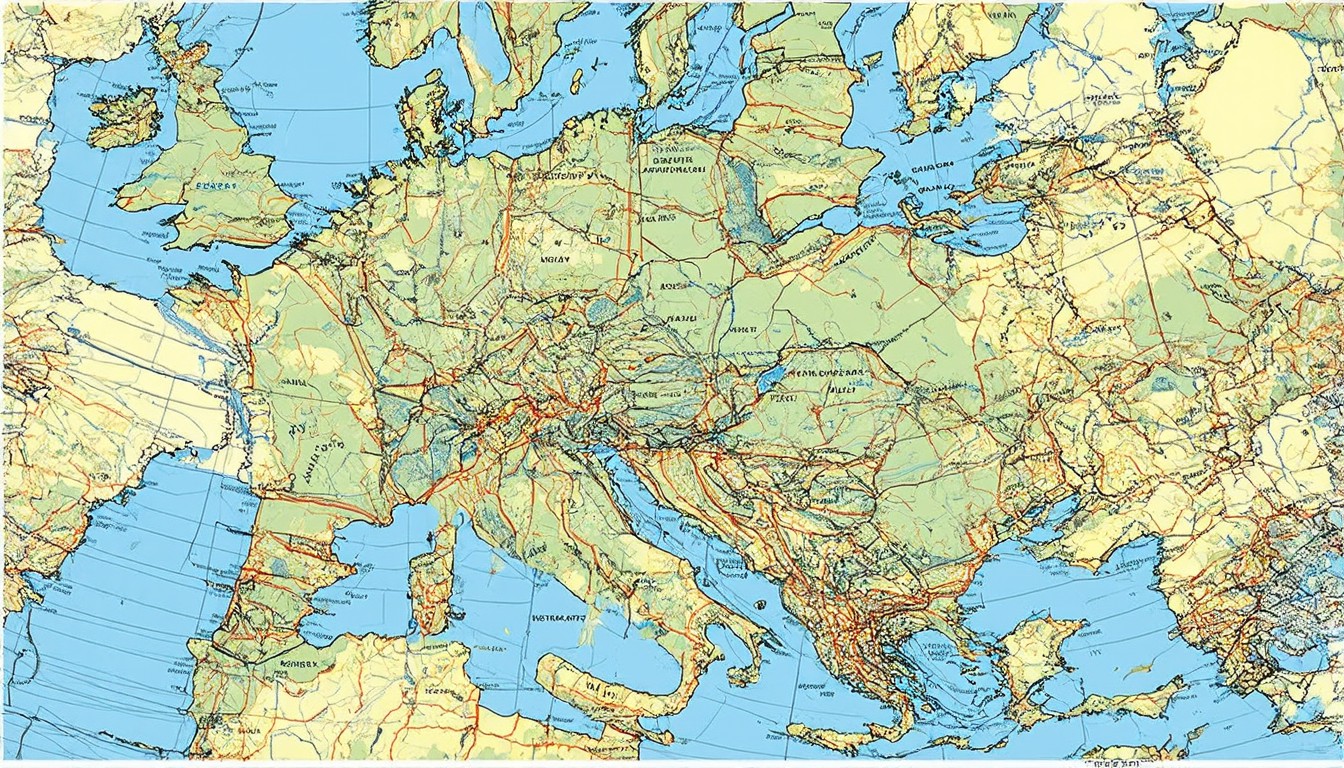
As the war in Ukraine intensifies, Europe is grappling with soaring energy prices, prompting a renewed debate about nuclear power as a potential solution to secure energy independence. With gas and fuel costs skyrocketing, many European nations are reconsidering their energy policies and the role of nuclear energy in their energy mix.
The conflict in Ukraine has disrupted global energy markets, particularly affecting Europe's reliance on Russian natural gas. This has forced countries to look for alternative energy sources and ways to reduce their dependence on imported fuels. Nuclear power, once a contentious topic due to safety concerns and waste disposal issues, is now being viewed as a viable option to stabilize energy supplies and reduce carbon emissions.
Germany, which has long been a vocal opponent of nuclear energy, is among the countries reevaluating its stance. Chancellor Olaf Scholz has indicated that the government might consider extending the lifespan of existing nuclear reactors to help manage the energy crisis. This shift in policy is driven by the urgent need to secure energy supplies and mitigate the impact of soaring prices on households and businesses.
France, on the other hand, has a different perspective. With over 70% of its electricity generated from nuclear power, the country is already a leader in this field. However, the war in Ukraine has prompted France to consider further investments in nuclear energy to ensure energy security. French President Emmanuel Macron has emphasized the importance of nuclear energy in providing a stable and low-carbon energy supply, despite ongoing debates about the long-term viability of nuclear waste management.
In the United Kingdom, the energy crisis has also reignited discussions about nuclear power. The government has announced plans to build new nuclear reactors as part of its strategy to achieve net-zero carbon emissions by 2050. This move is seen as a crucial step in reducing reliance on Russian gas imports and diversifying the energy portfolio.
However, the revival of nuclear energy is not without its challenges. Safety concerns remain a significant issue, particularly following the Fukushima disaster in 2011. Many European citizens are wary of nuclear power, citing risks associated with radiation and the difficulty of managing radioactive waste. Additionally, the high costs of building and maintaining nuclear reactors, as well as the long-term liabilities of decommissioning, pose financial challenges for many countries.
Despite these concerns, proponents of nuclear energy argue that it offers a critical solution to Europe's energy dilemma. They point to the potential for nuclear power to provide a reliable, low-carbon energy source that can help stabilize energy markets and reduce dependence on volatile fossil fuel prices. Furthermore, they argue that advancements in reactor design and waste management technologies could address many of the traditional concerns associated with nuclear energy.
The debate over nuclear energy in Europe is not limited to technical and safety considerations. It also involves geopolitical implications. By diversifying their energy sources, European countries can reduce their vulnerability to energy supply disruptions and geopolitical tensions. This could potentially strengthen their position in global energy markets and enhance their energy security.
In conclusion, the energy crisis triggered by the war in Ukraine has forced European nations to reconsider their energy policies and the role of nuclear power. While the path to reviving nuclear energy is fraught with challenges, it is being viewed as a potential lifeline to secure energy independence and stabilize soaring energy prices. As the debate continues, European leaders must carefully weigh the benefits and risks of nuclear power, balancing the need for energy security with concerns about safety and sustainability. The outcome of this debate will shape Europe's energy future for years to come.








