
FabCon and SQLCon 2026: Unifying databases and Fabric on a single data platform
We're bring attendees together to share real experiences and solve challenges side-by-side. Only together can we move into meaningful results. The post FabCon and SQLCon 2026: Unifying databases and Fabric on a single data platform appeared first on Microsoft Azure Blog .
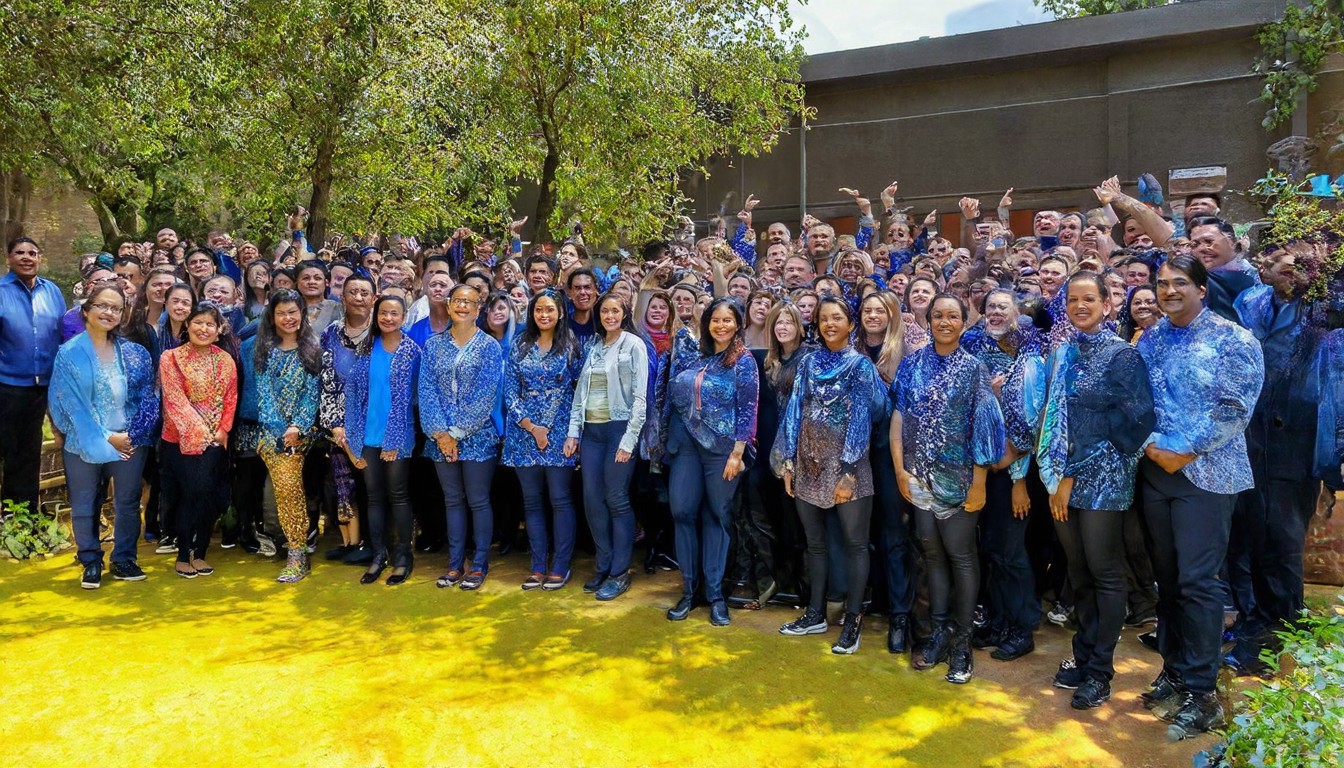
Welcome to the third annual FabCon and our first ever SQLCon in Atlanta, Georgia. This year's event brings together nearly 8,000 attendees for an immersive experience focused on the convergence of Microsoft SQL and Microsoft Fabric. With over 300 workshops and sessions, FabCon and SQLCon 2026 aim to showcase how these two powerful technologies can be unified into a single, cohesive data platform. However, this event is not just about product innovation; it's about fostering collaboration and problem-solving among industry leaders, developers, and data professionals.
The momentum surrounding this event mirrors the rapid growth of Microsoft Fabric, which has become the fastest-growing data platform in Microsoft's history. Just two and a half years after reaching general availability, Fabric serves more than 31,000 customers, including Fortune 500 companies like The Coca-Cola Company. These organizations are leveraging Fabric to transform their data foundations into a unified, AI-ready platform. By integrating with Power BI and advanced capabilities such as Fabric IQ, enterprises can turn data into actionable insights and respond more quickly to business needs.
Shekhar Gowda, Vice President of Global Marketing Technologies at The Coca-Cola Company, highlights the impact of Fabric on their operations: "Microsoft Fabric is helping us evolve our data foundation into a more unified, AI-ready platform. Combined with Power BI and capabilities like Fabric IQ, it enables the enterprise to turn data into intelligence and act on it faster."
One of the key highlights of FabCon and SQLCon 2026 is the introduction of the Database Hub in Microsoft Fabric. This innovative feature aims to streamline data management and processing across diverse databases, ensuring seamless integration and accessibility. By centralizing data assets in a single location, organizations can improve efficiency, reduce complexity, and enhance their overall data strategy.
Another critical aspect of the event is preparing the data estate for AI integration with Microsoft Fabric. As AI continues to reshape industries, businesses must ensure their data infrastructure is capable of supporting these advanced capabilities. Fabric's architecture is designed to facilitate this transition, enabling organizations to harness the power of AI while maintaining a unified and scalable data platform.
Fabric Unifying your data estate with Microsoft OneLake Processing and harmonizing data with Fabric analytics.
Fabric's analytics capabilities are designed to help organizations extract meaningful insights from their data. By leveraging Fabric's processing and analytics tools, businesses can harmonize their data, identify patterns, and gain a deeper understanding of their operations. This, in turn, empowers them to make more informed decisions and drive strategic initiatives.
Fabric IQ empowers agents to act with Fabric data and operations agents.
Fabric IQ takes data-driven decision-making to the next level by enabling automated actions based on real-time insights. By integrating with Fabric data and operations agents, businesses can create intelligent, self-optimizing systems that respond to changing conditions and adapt to new challenges. This level of automation and responsiveness is crucial for maintaining a competitive edge in today's fast-paced business environment.
Building mission-critical applications with developer experiences in Fabric.
Fabric's developer-centric approach ensures that mission-critical applications can be built and deployed with ease. By providing a robust set of tools and APIs, Fabric empowers developers to create scalable, high-performance applications that can handle complex data workloads. This, in turn, enables organizations to deliver innovative solutions that meet the evolving needs of their businesses and customers.
Migrating your existing Azure service to Fabric.
As more organizations recognize the benefits of a unified data platform, the migration from Azure services to Fabric is becoming increasingly common. Fabric's compatibility with Azure ensures a smooth transition, allowing businesses to leverage the full potential of their data assets while maintaining continuity and minimizing disruption.
FabCon and SQLCon 2026 are not just about showcasing the latest innovations in Microsoft SQL and Fabric; they're about fostering a collaborative environment where attendees can share real-world experiences, learn from each other, and solve challenges together. By bringing together industry experts, developers, and data professionals, this event provides a platform for knowledge exchange and problem-solving, ultimately driving meaningful results for all participants.
In conclusion, FabCon and SQLCon 2026 represent a pivotal moment in the evolution of data platforms. By unifying Microsoft SQL and Microsoft Fabric, these events highlight the potential for a more integrated, AI-ready data ecosystem. With a focus on collaboration, innovation, and problem-solving, this year's event promises to be a transformative experience for all attendees.









