
Exynos 2600 is back in the Galaxy S26, but Snapdragon 8 Elite still runs the show
Exynos 2600 closes the gap in AI and ray tracing, but Snapdragon 8 Elite still sets the pace.
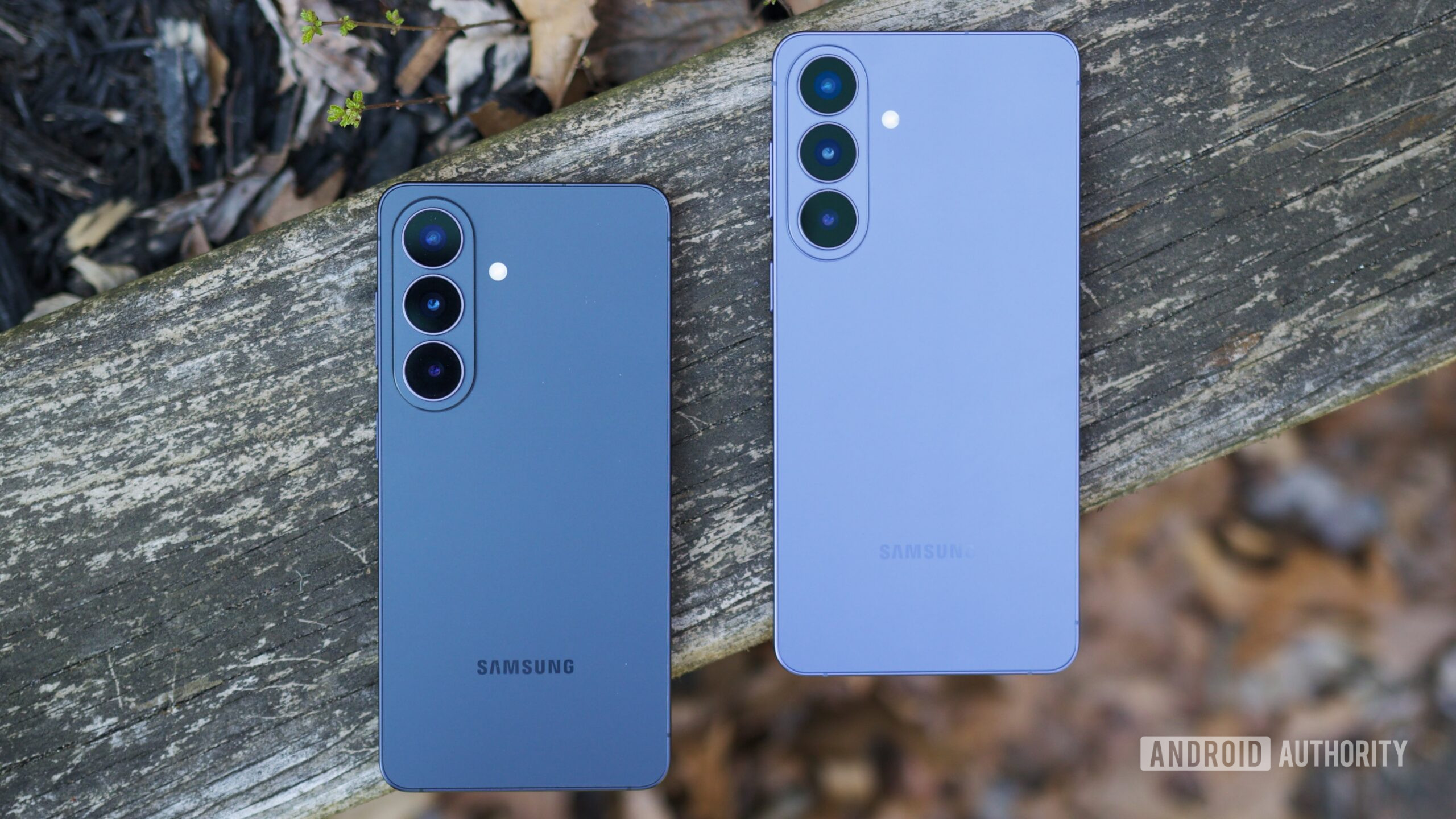
After a year-long hiatus, Samsung’s custom chip series has returned to the Galaxy S26 series with the new Exynos 2600. This move signals a significant comeback for Samsung in the competitive world of mobile processors, as the company aims to regain its position at the forefront of chip design. While the powerhouse Qualcomm Snapdragon 8 Elite Gen 5 for Galaxy is reserved for all Ultra models and select markets like the US, the Exynos 2600 boasts a number of improvements that it hopes will persuade global customers that Samsung is back at the top table of chip design.
The Exynos 2600 steps up its performance with Arm’s latest C1-Ultra and C1-Pro cores, albeit at slower clock speeds than Qualcomm’s custom Oryon cores. This architecture change represents a strategic shift in Samsung’s approach to chip development, focusing on optimizing performance and efficiency rather than raw speed. The decision to use Arm cores instead of Samsung’s own Exynos cores is a notable departure from previous models, reflecting the company’s commitment to staying current with industry trends and leveraging established technology.
Similarly, the GPU has been upgraded to an Xclipse 960, with up to 50% better ray tracing performance. This enhancement is particularly significant in the context of mobile gaming and augmented reality, where ray tracing is becoming an increasingly important feature. The improved GPU performance allows the Exynos 2600 to handle complex graphical tasks more efficiently, providing a smoother and more immersive user experience.
In addition to the GPU upgrade, the Exynos 2600 incorporates Samsung’s Exynos Neural Super Sampling (ENSS) technology. This innovation enhances the chip’s ability to process and analyze visual data, offering superior image processing capabilities. ENSS technology is designed to improve the quality of photos and videos, as well as to optimize the performance of AI-driven features such as facial recognition and object detection.
The NPU (Neural Processing Unit) has seen a significant 113% boost, too, ensuring the chip can run the latest on-device AI models. This substantial increase in NPU performance is a direct response to the growing demand for AI capabilities in mobile devices. With the rise of AI-driven applications, from voice assistants to augmented reality, the Exynos 2600’s enhanced NPU positions it as a strong contender in the market for AI-centric devices.
Despite these improvements, the Snapdragon 8 Elite Gen 5 for Galaxy remains the more powerful option, particularly in markets where it is available. The Snapdragon 8 Elite Gen 5 features Qualcomm’s custom Oryon cores, which operate at higher clock speeds than the Arm cores in the Exynos 2600. This difference in architecture results in a more powerful and faster chip, capable of handling even the most demanding tasks with ease.
The Snapdragon 8 Elite Gen 5 also benefits from Qualcomm’s Adreno 750 GPU, which offers superior performance and efficiency compared to the Xclipse 960 in the Exynos 2600. This GPU is designed to deliver exceptional graphics performance, making the Snapdragon 8 Elite Gen 5 the better choice for gamers and those who require top-tier visual capabilities.
In conclusion, the return of the Exynos 2600 to the Galaxy S26 series marks a significant step forward for Samsung in the mobile processor market. While the Snapdragon 8 Elite Gen 5 still holds the advantage in certain areas, the Exynos 2600’s improvements in AI and ray tracing performance demonstrate Samsung’s commitment to innovation and its determination to remain a key player in the chip design landscape. As the two chipsets continue to compete, consumers can expect to see further advancements and refinements in both hardware and software, driving the evolution of mobile technology forward.









