
Exploring the context of online images with Backstory
New experimental AI tool helps people explore the context and origin of images seen online.
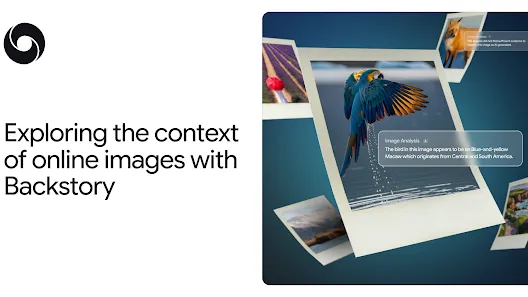
In an era where images are shared and consumed at an unprecedented pace, understanding the context and origin of online visuals has become increasingly important. This is where Backstory, a new experimental AI tool, steps in to provide users with a deeper insight into the stories behind the images they encounter online. By leveraging advanced algorithms and extensive data analysis, Backstory offers a unique way to explore the background of images, helping users to make more informed decisions about the content they engage with.
The tool works by analyzing the image's visual elements, metadata, and historical context to generate a comprehensive report. This report includes details such as the image's source, the time it was created, and any associated events or cultural references. By providing this information, Backstory empowers users to better understand the context in which an image was produced and shared, which can be crucial for discerning authenticity and avoiding misinformation.
One of the key features of Backstory is its ability to trace the image's journey across the internet. By examining the image's metadata and comparing it with databases of known images, the tool can identify previous instances of the image's use and determine its origin. This capability is particularly useful for identifying instances of plagiarism or the spread of fake news, as users can quickly verify the legitimacy of an image and its associated claims.
In addition to its fact-checking capabilities, Backstory also offers insights into the cultural and historical significance of an image. By analyzing the image's content and comparing it to historical records and art databases, the tool can provide users with a deeper understanding of the image's place in the world. This not only enriches the viewer's experience but also fosters a more informed and critical engagement with online content.
The development of Backstory is part of a broader trend in the tech industry to combat the spread of misinformation and promote media literacy. As online platforms continue to grow in influence, the need for tools that help users navigate the vast and often chaotic landscape of digital content becomes more pressing. By offering a transparent and accessible way to explore the context of images, Backstory aims to empower users to make more informed decisions and engage more thoughtfully with the information they encounter.
While still in its experimental stages, Backstory has already garnered attention from researchers, journalists, and educators alike. Its potential applications extend beyond individual users, as it could be integrated into educational curricula to teach students about digital literacy and critical thinking. For journalists, Backstory could serve as a valuable tool for verifying the authenticity of images in their reporting, ensuring that the stories they tell are grounded in accurate and verifiable information.
Despite its promise, Backstory is not without its challenges. One of the main hurdles it faces is the vast and ever-changing nature of online content. Images can be manipulated, shared, and repurposed in ways that make it difficult to trace their exact origin. Additionally, the tool relies heavily on the accuracy and comprehensiveness of its databases, which may not always capture the full scope of an image's history.
Despite these challenges, Backstory represents a significant step forward in the quest to demystify the world of online images. By providing users with a window into the stories behind the images they see, it not only enhances their understanding but also fosters a more informed and discerning digital culture. As the tool continues to evolve, it has the potential to become a powerful ally in the fight against misinformation and the promotion of media literacy in the digital age.









