
Expensive fuel and war fears hit Thai confidence for Songkran trips
The war in the Middle East is casting a shadow over travel during the Songkran festival.
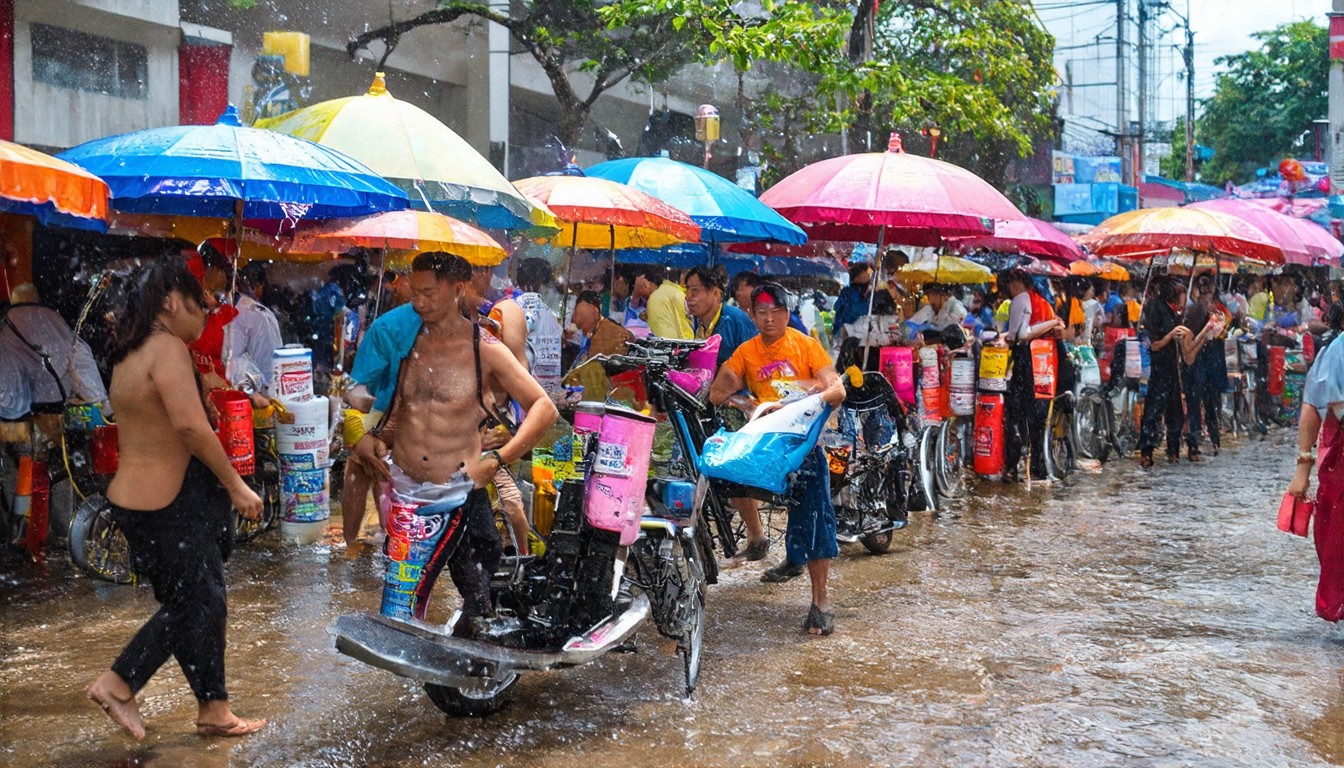
As the highly anticipated Songkran festival approaches, Thai travelers are facing a daunting combination of soaring fuel prices and heightened concerns over regional instability, leading to a noticeable dip in confidence for those planning trips. The war in the Middle East, which has been a persistent source of tension in recent years, is now casting a long shadow over the festive season, prompting many Thais to reconsider their travel plans.
Songkran, traditionally celebrated in April, is Thailand's most significant holiday, marked by water fights, family gatherings, and a wave of domestic and international tourists flocking to the country. However, this year's festivities are set against a backdrop of economic uncertainty. The cost of fuel, which has been on the rise globally due to geopolitical tensions and supply chain disruptions, has reached record highs in Thailand. This has made transportation—a key component of Songkran travel—significantly more expensive, discouraging many from embarking on trips.
In addition to the financial strain, the ongoing conflict in the Middle East has raised concerns about security. While Thailand itself is not directly involved in the regional conflicts, the instability has led to increased volatility in global oil markets, further exacerbating fuel costs. Moreover, the uncertainty has prompted some travelers to question the safety of traveling during such a sensitive period. Although Thailand has maintained a stable political climate, the broader regional instability has made many Thais cautious about their travel plans.
The tourism industry, which plays a crucial role in Thailand's economy, is bracing for the impact of these factors. While the government has been proactive in promoting domestic tourism, encouraging locals to spend during the festive season, the situation is far from ideal. Many travelers are opting for shorter trips or choosing to stay within their cities, limiting their participation in the traditional Songkran celebrations.
Despite the challenges, the spirit of the festival remains undimmed. Families and friends are still planning water battles and festive gatherings, albeit with a more cautious approach to travel. The Thai government has also stepped up to support the tourism sector, offering incentives to encourage domestic tourism. However, the impact of high fuel prices and regional instability is undeniable, and many Thais are adjusting their plans accordingly.
In the face of these challenges, the Songkran festival this year is a testament to resilience and adaptability. While the festivities may be slightly subdued due to economic and geopolitical concerns, the essence of the celebration—family, togetherness, and the joy of the season—remains intact. As Thais navigate these uncertain times, the festive spirit serves as a reminder of the enduring power of tradition and community in the face of adversity.








