EVs were meant to bypass oil. Now they’re stuck at the Strait of Hormuz
The war has blocked the only sea route for the high-grade, low-carbon aluminum EVs need. There's no quick substitute.
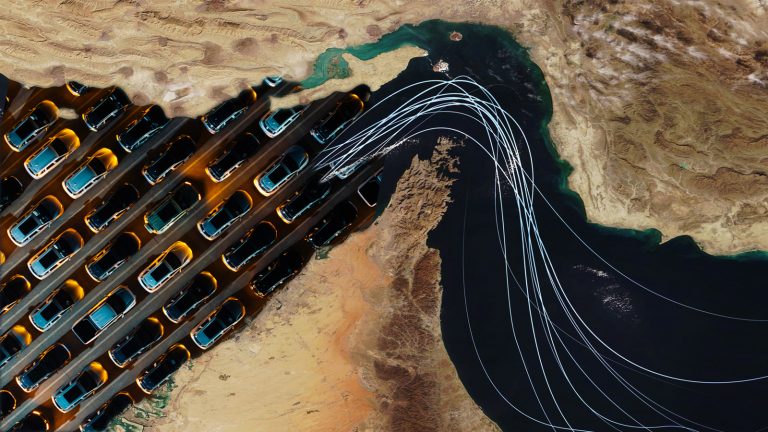
The war in the region has disrupted the global supply chain for high-grade aluminum, a critical component for electric vehicles (EVs), as the Strait of Hormuz remains blocked. This narrow waterway, located between Iran and Oman, is the only sea route for the aluminum smelters in Bahrain, which supply the majority of the low-carbon aluminum required for EV production.
Bahrain’s Alba, one of the world’s largest aluminum smelters, has declared force majeure on deliveries and cut output by 19%, citing its inability to ship through the Strait of Hormuz. This development has sent shockwaves through the automotive industry, as the disruption threatens the global transition to sustainable transportation.
The Strait of Hormuz has long been a strategic chokepoint for oil and gas exports, but its importance extends beyond just hydrocarbons. Aluminum, a key material for EV batteries and other components, relies heavily on this route for its transport. The conflict in the region has now turned this strategic bottleneck into a critical obstacle for the EV industry.
The situation is particularly dire because there is no quick substitute for the high-grade aluminum produced in Bahrain. Aluminum is essential for EVs due to its lightweight properties and ability to conduct electricity efficiently. Replacing it with other materials would require significant reengineering of EV designs and infrastructure, which is not feasible in the short term.
The disruption has already begun to affect production schedules at major automakers. Companies like Tesla, Volkswagen, and Ford have expressed concerns about the impact on their supply chains. With the global push towards electrification intensifying, the reliance on the Strait of Hormuz for aluminum highlights the vulnerabilities in the current supply network.
The situation also underscores the geopolitical risks associated with critical materials. The Strait of Hormuz has been a flashpoint for decades, and the recent escalation in tensions has made it a focal point for global supply chain resilience. The automotive industry, which has been at the forefront of the EV transition, is now facing the reality of how interconnected and fragile its supply chains are.
In response to the disruption, some automakers are exploring alternative sources of aluminum. However, the majority of the world’s high-grade aluminum production is concentrated in a few regions, making it challenging to find viable alternatives quickly. Additionally, shifting suppliers would require significant investments in logistics and infrastructure, further complicating the situation.
The Strait of Hormuz blockade serves as a stark reminder of the challenges facing the EV industry. While the transition to electric vehicles is crucial for reducing carbon emissions and combating climate change, the geopolitical and supply chain complexities must be addressed to ensure a smooth transition. The current disruption underscores the need for diversified supply chains and the development of local production capabilities to mitigate future risks.
As the conflict in the region continues to unfold, the automotive industry and policymakers are facing a dilemma. On one hand, the push for electrification is more critical than ever, given the urgency of the climate crisis. On the other hand, the geopolitical risks and supply chain vulnerabilities must be managed to avoid setbacks in the EV transition. The situation at the Strait of Hormuz is a wake-up call for the industry to reevaluate its strategies and invest in resilient, diversified supply chains to ensure the sustainable future of electric vehicles.