EVs were meant to bypass oil. Now they’re stuck at the Strait of Hormuz
The war has blocked the only sea route for the high-grade, low-carbon aluminum EVs need. There's no quick substitute.
The war in the Middle East has disrupted the global supply chain for high-grade aluminum, a critical component for electric vehicles (EVs), as the Strait of Hormuz, the only sea route for this material, has been blocked. This development poses a significant challenge to the transition to sustainable transportation, as there is no immediate substitute for the aluminum required to power EVs.
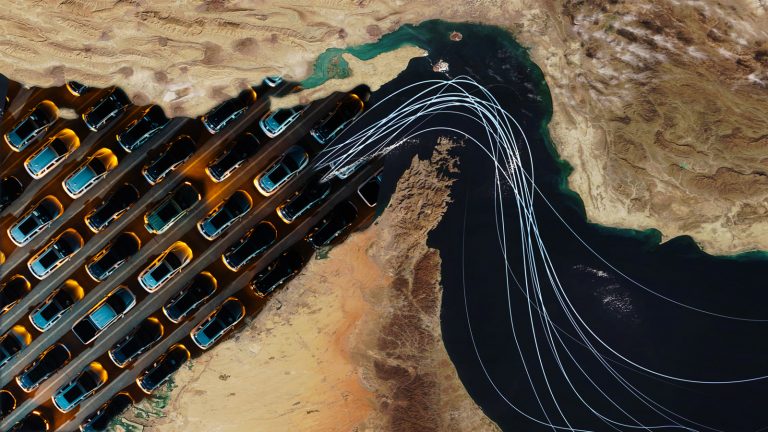
The Strait of Hormuz, a narrow waterway between Iran and Oman, is a vital chokepoint for global trade, particularly for oil and other commodities. However, it has also become crucial for the transport of aluminum, a metal essential for the production of lightweight and durable EV batteries. The conflict in the region has led to heightened tensions and increased the risk of disruptions in shipping, affecting not only oil but also other critical materials.
Bahrain’s Alba, one of the world’s largest aluminum smelters, has recently declared force majeure on deliveries and reduced its output by 19%. This move is a direct result of the inability to ship aluminum through the Strait of Hormuz, which has been impacted by the ongoing war. Alba’s decision underscores the severity of the situation, as it highlights the dependency on this specific route for global aluminum supply.
The shortage of high-grade aluminum is particularly problematic for the EV industry, which relies on this material to manufacture batteries that are both efficient and environmentally friendly. Aluminum’s lightweight properties make it ideal for EV batteries, enabling vehicles to travel longer distances on a single charge while reducing energy consumption. The disruption in supply chain has raised concerns about the feasibility of meeting global targets for EV adoption, as the transition to sustainable transportation relies heavily on the availability of this critical resource.
The situation is further complicated by the lack of a quick substitute for high-grade aluminum. While other metals, such as lithium or magnesium, can be used in certain EV components, they do not offer the same level of efficiency or performance as aluminum. This limits the options for manufacturers trying to maintain production levels amid the supply chain disruption.
The war-induced blockage of the Strait of Hormuz has thus created a paradoxical situation for the EV industry. While EVs were initially hailed as a solution to reduce reliance on fossil fuels and combat climate change, the current crisis has exposed the vulnerability of their supply chains, which are still heavily intertwined with regions that produce critical materials.
The global community is now faced with the challenge of finding alternative routes or sources for high-grade aluminum to ensure the continued production and deployment of EVs. This may involve exploring new smelting technologies, investing in domestic production capacities, or seeking alternative shipping routes. However, these solutions will require significant time, resources, and coordination among various stakeholders, including governments, industries, and research institutions.
In the meantime, the disruption in the Strait of Hormuz serves as a stark reminder of the complexities involved in transitioning to a sustainable energy future. While the war in the Middle East has directly impacted aluminum supply, it also underscores the broader need for diversification and resilience in global supply chains. The EV industry, which has been at the forefront of the push for cleaner transportation, now faces the daunting task of navigating these challenges to ensure the long-term viability of its mission.