
Every Debate On Pausing AI
...
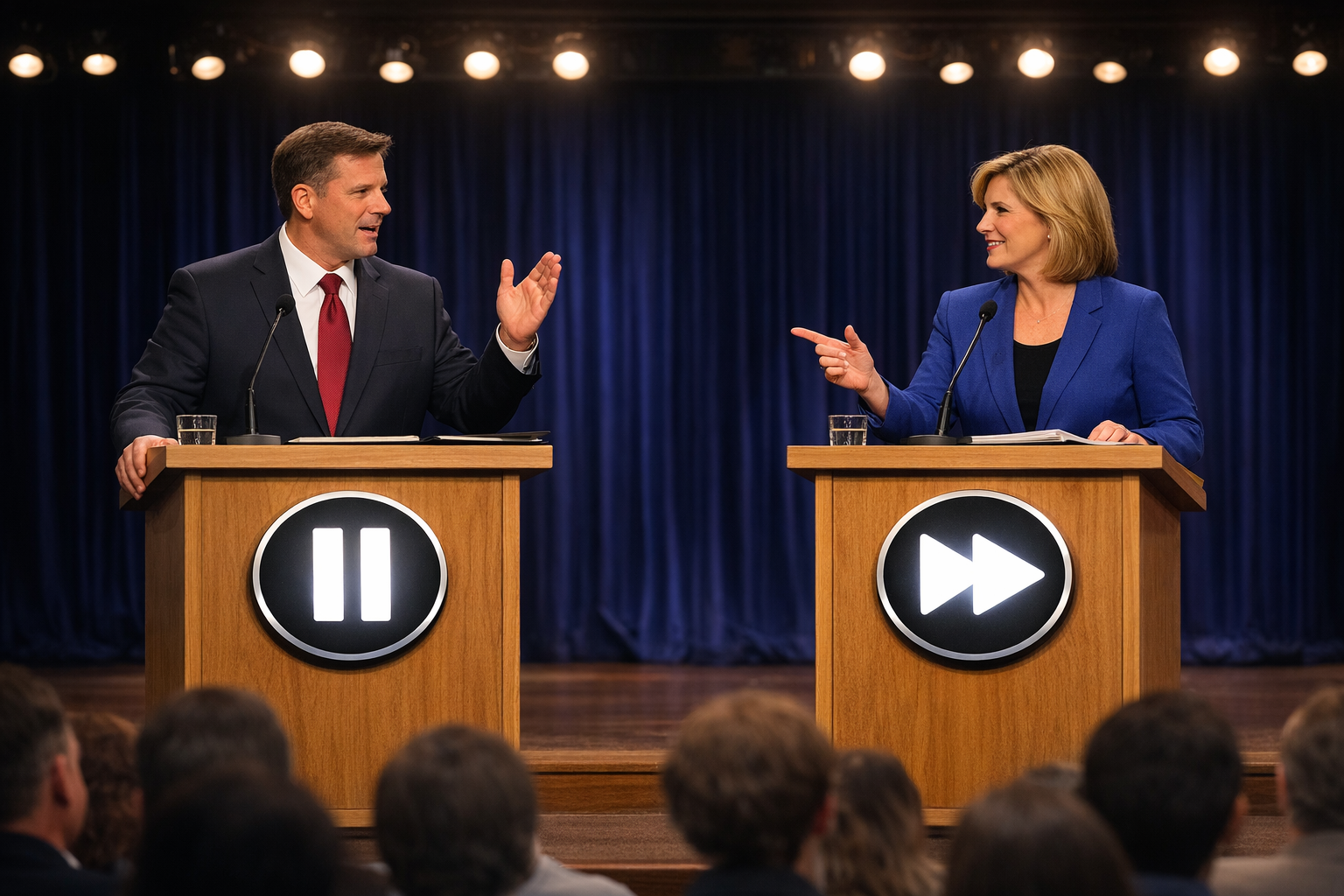
The debate over pausing AI has become increasingly heated as supporters and opponents clash over the potential risks and benefits of such a move. At the heart of the argument is the question of whether a unilateral pause by the United States would be effective or, as some argue, disastrous. Supporters of the idea propose that a bilateral agreement with China could be reached to halt the rapid advancement of AI, ensuring that both nations do not rush headlong into a potentially dangerous future.
The supporters' argument hinges on the idea that a mutual agreement could provide transparency and enforceability, allowing both countries to work together to address the risks of AI. They argue that while a unilateral pause might not be the ideal solution, it could serve as a starting point for negotiations. The supporters also point to low-level discussions with Chinese scientists, suggesting that there is some groundwork for collaboration.
Opponents, however, are far from convinced. They argue that a unilateral pause would leave the United States vulnerable to China's continued advancements, which could be used to undermine American interests and erode fundamental rights and freedoms. The opponents contend that China would not hesitate to exploit any opportunity to gain an edge, and that the idea of a pause is naive at best.
The debate has become increasingly contentious, with each side accusing the other of not fully understanding the implications of their proposed actions. Supporters argue that their proposal is not about unilateral action but rather about negotiating a mutual pause, while opponents warn that China would not remain idle during such a pause.
Despite the disagreements, supporters maintain that there is a possibility of reaching an agreement, particularly given China's current position in the AI race. They argue that China's incentive to pause is stronger than the United States', as they are losing ground in the competition. Additionally, they cite remarks by Chinese leader Xi Jinping about the risks of AI and the importance of alignment, suggesting that there is some openness to discussion.
Despite these arguments, opponents remain skeptical, fearing that any pause would only give China the opportunity to accelerate its own AI development. They argue that the United States cannot afford to cede the future to its rivals, and that any agreement must be reached on a level playing field.
In the end, the debate over pausing AI remains unresolved, with each side presenting compelling arguments. The question of whether a pause could be achieved through negotiation, and whether it would be in the best interest of both nations, remains a topic of intense discussion. As the race for AI supremacy continues, the stakes could not be higher.









