
Europe’s fossil fuel dependence poses risks to price stability
Repeated cost shocks make a transition to cleaner energy critical
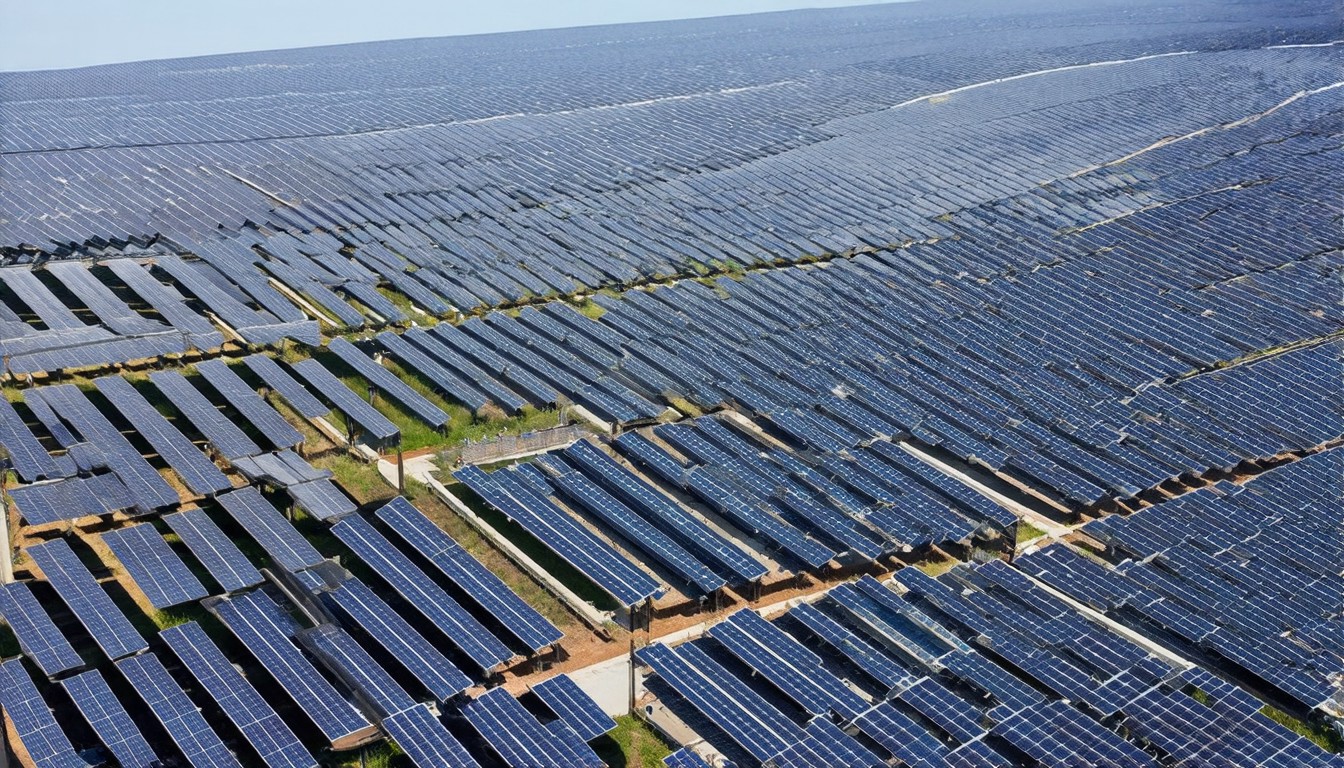
Europe’s reliance on fossil fuels has long been a cornerstone of its energy security and economic stability. However, the continent’s dependence on coal, oil, and natural gas is increasingly posing risks to price stability, as repeated cost shocks underscore the urgency of transitioning to cleaner energy sources.
For decades, Europe has been heavily reliant on imports of fossil fuels, particularly from Russia, the Middle East, and North Africa. This dependence has been a double-edged sword, providing affordable energy for industries and households while also making the region vulnerable to global price fluctuations and geopolitical tensions. The recent spike in energy prices, driven by factors such as the Russia-Ukraine conflict, supply chain disruptions, and increased demand in Asia, has highlighted the fragility of this system.
The European Union’s energy market has experienced significant volatility in recent years. Prices for natural gas, for instance, surged by over 500% in 2021 and 2022, leading to widespread energy crises and forcing many governments to intervene with subsidies and emergency measures. This instability not only affects consumers and businesses but also undermines long-term economic planning and investment.
The reliance on fossil fuels also poses environmental risks. Europe’s energy sector is a major contributor to greenhouse gas emissions, with coal, oil, and gas accounting for around 75% of the continent’s energy-related CO2 emissions. This not only exacerbates climate change but also jeopardizes the EU’s commitment to achieving net-zero emissions by 2050.
In response to these challenges, the European Union has set ambitious targets for decarbonizing its energy system. The European Green Deal aims to make the EU climate-neutral by 2050, with a focus on increasing renewable energy adoption, improving energy efficiency, and accelerating the transition away from fossil fuels. However, the pace of this transition has been slow, with renewables currently accounting for around 40% of the EU’s electricity mix.
The transition to cleaner energy is not without its challenges. The high upfront costs of renewable infrastructure, the need for grid modernization, and the potential job losses in fossil fuel sectors are significant concerns. Additionally, the EU’s energy security is closely tied to its ability to diversify energy sources and suppliers. The recent energy crises have underscored the need for a more resilient and diversified energy mix, reducing dependence on a few key suppliers and increasing domestic production of renewables.
Governments across Europe are taking steps to address these issues. Some countries, such as Denmark and Norway, have already made significant strides in renewable energy adoption, while others are investing heavily in offshore wind and solar projects. The EU is also exploring alternatives to Russian gas, such as liquefied natural gas (LNG) imports from the United States and other regions.
Despite these efforts, the transition to cleaner energy remains a complex and challenging process. The need for a rapid and coordinated shift is urgent, given the risks posed by fossil fuel dependence. The European Union must prioritize investments in renewable energy, energy efficiency, and smart grids to ensure a stable and sustainable energy future.
In conclusion, Europe’s fossil fuel dependence is not only a threat to price stability but also a major barrier to achieving climate goals. The continent faces significant challenges in transitioning to cleaner energy, but the risks of inaction are even greater. The European Union must accelerate its decarbonization efforts and work towards a more diversified and resilient energy system to safeguard its economic and environmental future.








