Europe’s Fields May Dry Out More — Even With Higher Rainfall
University of Reading research published in Nature Geoscience (14 January 2026) warns Europe and western North America will face more frequent, intense crop droughts as warming accelerates soil moisture loss, even where annual rainfall rises. The study maps growing-season drought hotspots and shows dry springs raise summer drought risk. Findings underscore urgent needs for drought-tolerant crops and improved water management. The post Europe’s Fields May Dry Out More — Even With Higher Rainfall appeared first on Seed World .
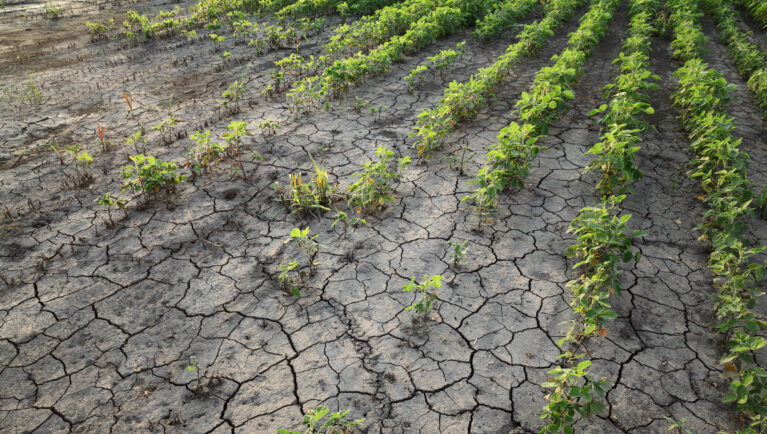
Europe and western North America are likely to face more frequent and more intense crop droughts as global temperatures rise — even in regions where average annual rainfall is projected to increase. Researchers at the University of Reading analyzed how climate change affects soil moisture during the growing season, when crops most depend on reliable water supplies. They found that higher temperatures can dry soils faster than additional rainfall can replenish them, increasing the risk of agricultural drought. The study, published on 14 January in Nature Geoscience, combined climate observations with computer modeling to map areas of greatest vulnerability.
The results highlight drought hotspots across western Europe (including the UK), central Europe, western North America, northern South America, and southern Africa. According to a press release, Professor Emily Black, lead author at the University of Reading, explained that "climate change is heating the air, which makes more water evaporate from soil and plants." This drying effect occurs even when more rain falls, especially during spring in Europe and North America. As the planet continues to warm, agricultural droughts could become much more common this century in regions that grow much of the world's food. Farmers will need crops that can survive drought and better ways to manage water supplies.
Earlier research has often emphasized precipitation trends over soil moisture and relied on annual average soil moisture — missing the seasonal dynamics that are most critical for agriculture. This study instead examined soil moisture during the growing season, revealing drought risks that annual rainfall figures can mask. The researchers found that spring soil moisture at the start of the growing season strongly influences summer drought risk. Even where spring rainfall increases, higher temperatures intensify evaporation enough to dry soils; that spring moisture becomes a critical factor in determining summer conditions.
The study's findings underscore the urgent need for drought-tolerant crops and improved water management strategies. As the frequency and intensity of crop droughts rise, the agricultural systems in these regions could face significant challenges. The ability to grow food sustainably in the face of changing climate conditions will become increasingly important. Governments, farmers, and researchers must collaborate to develop and implement solutions that ensure food security in the face of these challenges.
In western Europe, where the UK is particularly vulnerable, the implications of these findings are significant. The region's agriculture relies heavily on consistent soil moisture during the growing season. With the risk of droughts increasing, farmers may need to adapt their practices or switch to crops that are better suited to drier conditions. Similarly, in western North America, where agriculture is also a major industry, the need for drought-resistant crops and efficient water use becomes even more pressing.
The study's authors emphasize that while higher rainfall in some areas may seem like a positive development, it is not enough to counteract the effects of rising temperatures on soil moisture. The interplay between temperature and precipitation is complex, and the growing season's specific conditions are crucial for crop health. By focusing on soil moisture dynamics, this research provides valuable insights into the challenges that await global agriculture in the coming decades.
In conclusion, the University of Reading's research warns that even with higher rainfall, Europe and western North America will face more frequent and intense crop droughts as warming accelerates soil moisture loss. The study highlights the need for drought-tolerant crops and improved water management to ensure food security in the face of climate change. As the planet continues to warm, the ability to adapt agricultural systems will be essential for sustaining global food production.