
Europe’s drone industry challenges and innovations – podcast report from Xponential Europe 2026
There are five main obstacles to extending civil drone use cases in Europe: regulation, resistance from sectors, uncertainty over how to best use drones, budgets
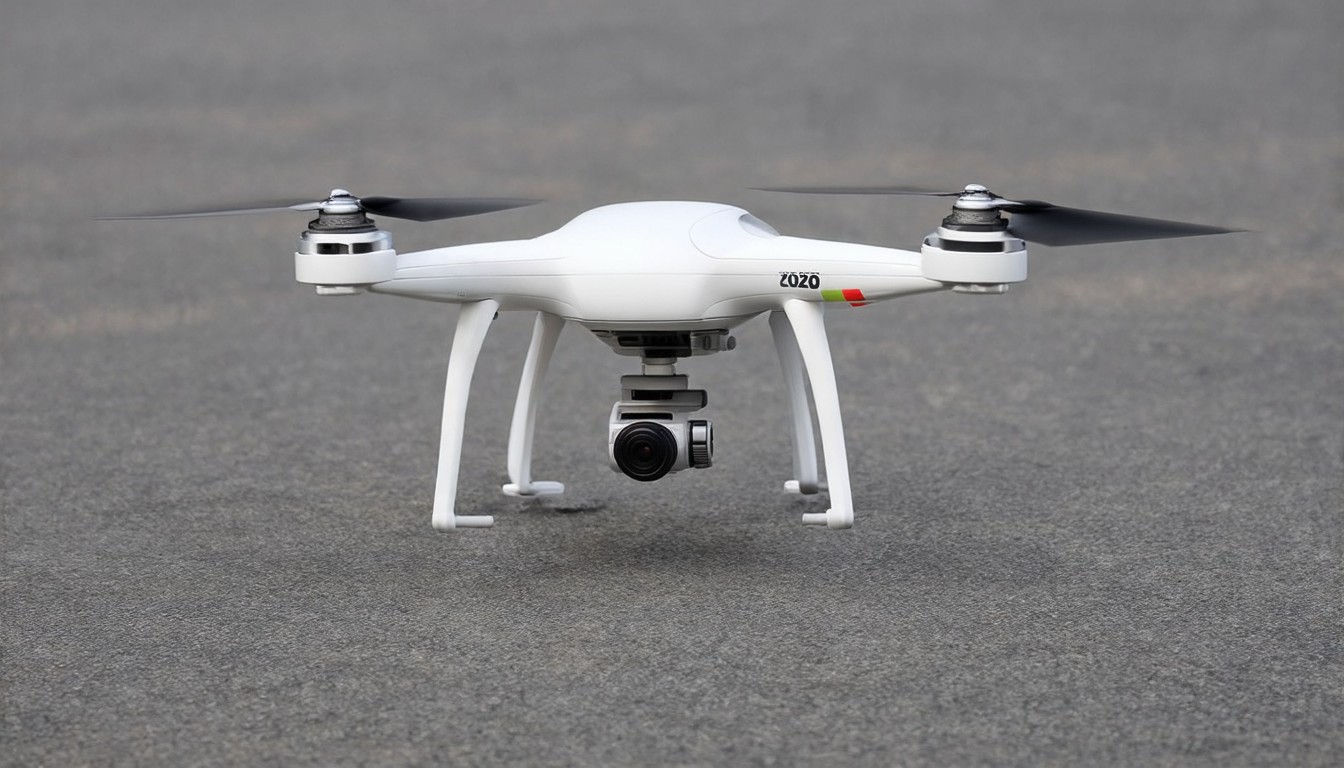
The European drone industry is at a pivotal moment, grappling with several challenges that could either hinder its growth or drive innovation. As reported by Claudia Bacco of Global Airspace Radar in a podcast from Xponential Europe 2026, there are five main obstacles to extending civil drone use cases in Europe: regulation, resistance from sectors, uncertainty over how to best use drones, budgets, and public acceptance. These challenges, however, are not insurmountable, and the event provided valuable insights into potential solutions and future opportunities for the industry.
Regulation remains a significant hurdle for the European drone industry. The complex regulatory landscape, which varies across member states, can stifle innovation and limit the potential of drone applications. Experts at the event emphasized the need for harmonized regulations that facilitate cross-border operations and encourage investment. They also highlighted the importance of balancing safety and innovation, ensuring that regulations do not become overly restrictive.
Another challenge is resistance from sectors that may feel threatened by the introduction of drones. Some industries, such as logistics and transportation, worry that drones could disrupt traditional business models. However, many experts argue that drones can complement existing services rather than replace them. By working collaboratively, these sectors can identify synergies and develop innovative solutions that benefit both parties.
Uncertainty over how to best use drones is also a concern. While drones have the potential to revolutionize industries like agriculture, construction, and emergency response, there is a lack of clarity on the most effective applications. The event provided valuable insights into potential use cases, such as drone-based agriculture and disaster management, and highlighted the importance of continued research and development.
Budgets pose another challenge, as many organizations and governments are still assessing the cost-effectiveness of drone implementations. The event underscored the need for more investment in drone technology and infrastructure, such as drone ports and charging stations, to unlock the full potential of the industry.
Public acceptance is a critical factor that cannot be overlooked. While many Europeans are intrigued by the possibilities of drones, there are concerns about privacy, safety, and job displacement. Addressing these concerns through transparent communication and community engagement is essential for building public trust and support.
Beyond these core challenges, the event explored other vital topics. Experts discussed how Europe can gain independence and resilience within its own drone industry, emphasizing the need for local manufacturing capabilities and a strong research and development sector. They also debated the role of public-private partnerships in accelerating commercialization, arguing that collaboration is key to driving innovation and adoption.
The future of drone connectivity is another area of interest. While 5G is often cited as a potential solution, some experts questioned whether it is the best fit for drone operations. Mesh networks, which rely on direct communication between drones, have been proposed as an alternative. The event highlighted the need for further research into the most suitable connectivity solutions to ensure safe and efficient drone operations.
Cybersecurity is a pressing concern for the drone industry, as drones are increasingly integrated into critical infrastructure. Experts at the event emphasized the importance of robust cybersecurity measures to protect against potential threats, such as unauthorized access or malicious attacks.
Finally, the event itself, Xponential Europe, was highlighted as an important part of the European drone industry calendar. By bringing together experts, policymakers, and industry leaders, the event provides a platform for meaningful discussions and the exchange of ideas that can drive progress in the sector.
In conclusion, while the European drone industry faces several challenges, the solutions are within reach. By addressing regulatory hurdles, fostering collaboration across sectors, investing in research and infrastructure, and building public trust, Europe can unlock the full potential of its drone industry. The insights gained from events like Xponential Europe 2026 are crucial in shaping a future where drones contribute to economic growth, efficiency, and societal benefits.









