European ministers call for profit caps on energy companies as Iran war drives price surge
The finance ministers of Spain and four other European countries are urging the European Union to impose a bloc-wide windfall tax on energy companies, concerned that surging oil…
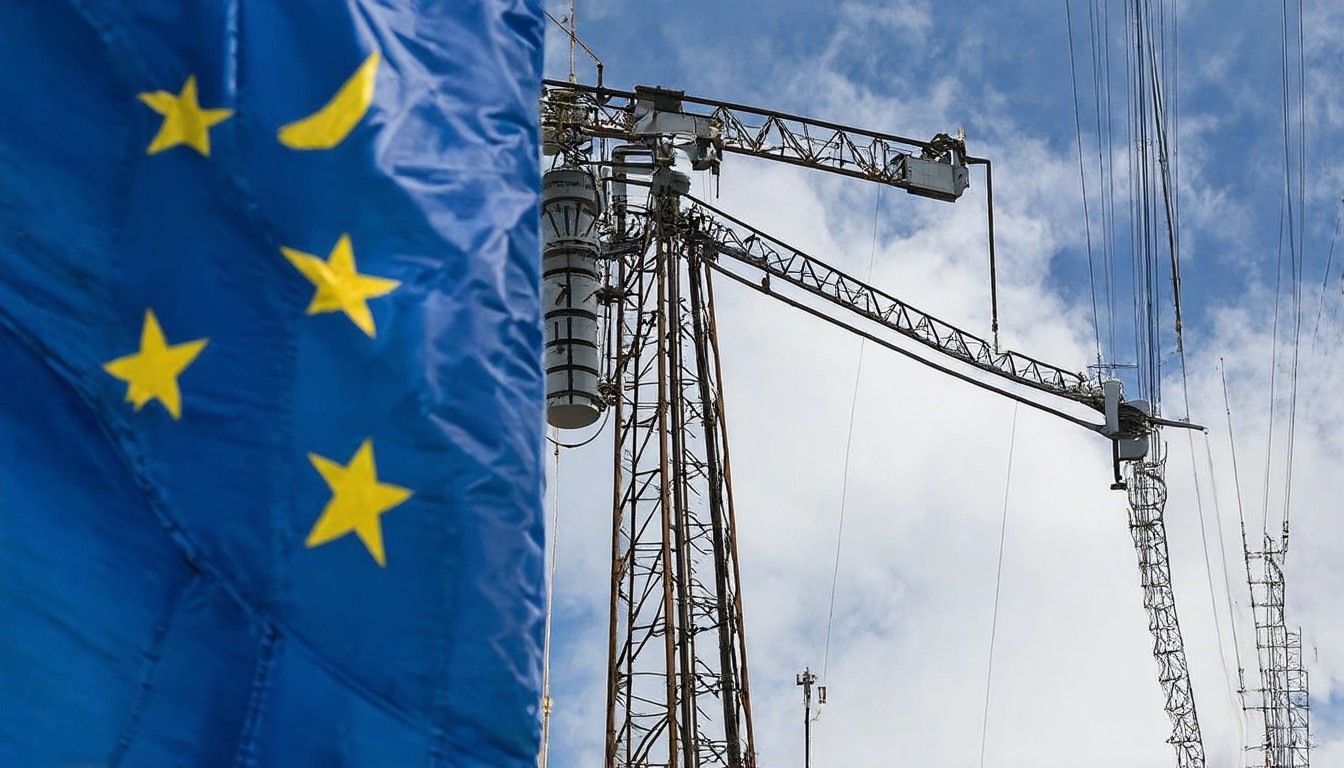
European ministers are calling for profit caps on energy companies amid a sharp rise in oil prices driven by the ongoing conflict in Iran. The finance ministers of Spain, along with their counterparts from four other European countries, have issued a joint statement urging the European Union to implement a windfall tax on energy firms. This move is aimed at curbing the excessive profits being made by these companies as global oil prices continue to soar.
The escalating tensions in Iran, particularly the recent attacks on oil tankers in the Strait of Hormuz, have led to significant disruptions in global oil supply routes. This has resulted in a sharp increase in oil prices, causing widespread concern among European policymakers. The ministers argue that the energy companies are benefiting disproportionately from these price surges, while consumers are bearing the brunt of the cost.
In their statement, the finance ministers emphasized the need for a coordinated response within the EU to address this issue. They highlighted that the windfall tax would serve as a temporary measure to ensure that energy companies contribute fairly to mitigating the impact of the price surge on households and businesses. The tax would be levied on the additional profits generated by energy companies beyond what they would have earned under normal market conditions.
The proposal has been welcomed by some EU officials, who believe that it is a necessary step to protect vulnerable consumers and maintain economic stability. Critics, however, argue that imposing a windfall tax could deter investment in the energy sector and ultimately lead to long-term consequences for the EU's energy security. They also question whether the tax would be sufficient to offset the significant price increases that consumers are currently experiencing.
The finance ministers have also called for the EU to accelerate its transition to renewable energy sources and diversify its energy supply chains to reduce its dependence on volatile global oil markets. They believe that such measures would not only help to stabilize energy prices but also contribute to the EU's broader goals of achieving energy independence and combating climate change.
The EU is expected to hold discussions on the proposed windfall tax in the coming weeks, with member states likely to debate the merits and potential drawbacks of the measure. The finance ministers' call for action highlights the urgent need for the EU to address the challenges posed by the global energy market and ensure that its citizens are protected from the adverse effects of volatile oil prices.
As the situation in Iran continues to evolve, the EU must remain vigilant and prepared to adapt its strategies to safeguard its energy security and economic stability. The proposed windfall tax on energy companies is one of several tools being considered to manage the current price surge and its impact on European households and businesses.
In conclusion, the finance ministers' call for a profit cap on energy companies underscores the urgent need for the EU to take decisive action in response to the sharp rise in oil prices. While the windfall tax proposal is intended to provide a temporary solution, it also serves as a reminder of the long-term need for the EU to diversify its energy sources and reduce its reliance on volatile global markets. The upcoming EU discussions will be crucial in determining the appropriate response to this complex challenge and ensuring that the bloc remains resilient in the face of ongoing geopolitical tensions and economic uncertainties.