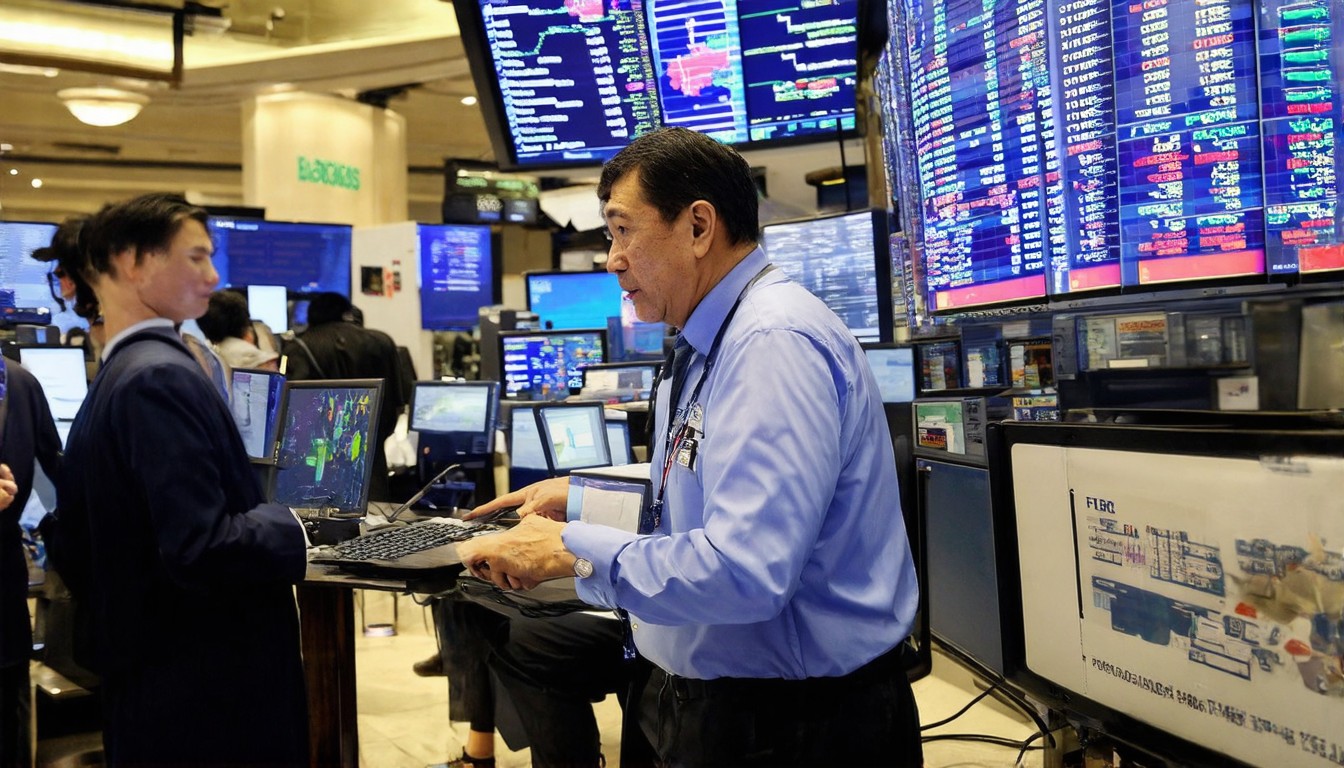
European markets mixed as Iran tensions push oil prices higher
Brent crude has jumped more than 50% since the Iran conflict began, as Asian markets fall and European stocks follow suit.
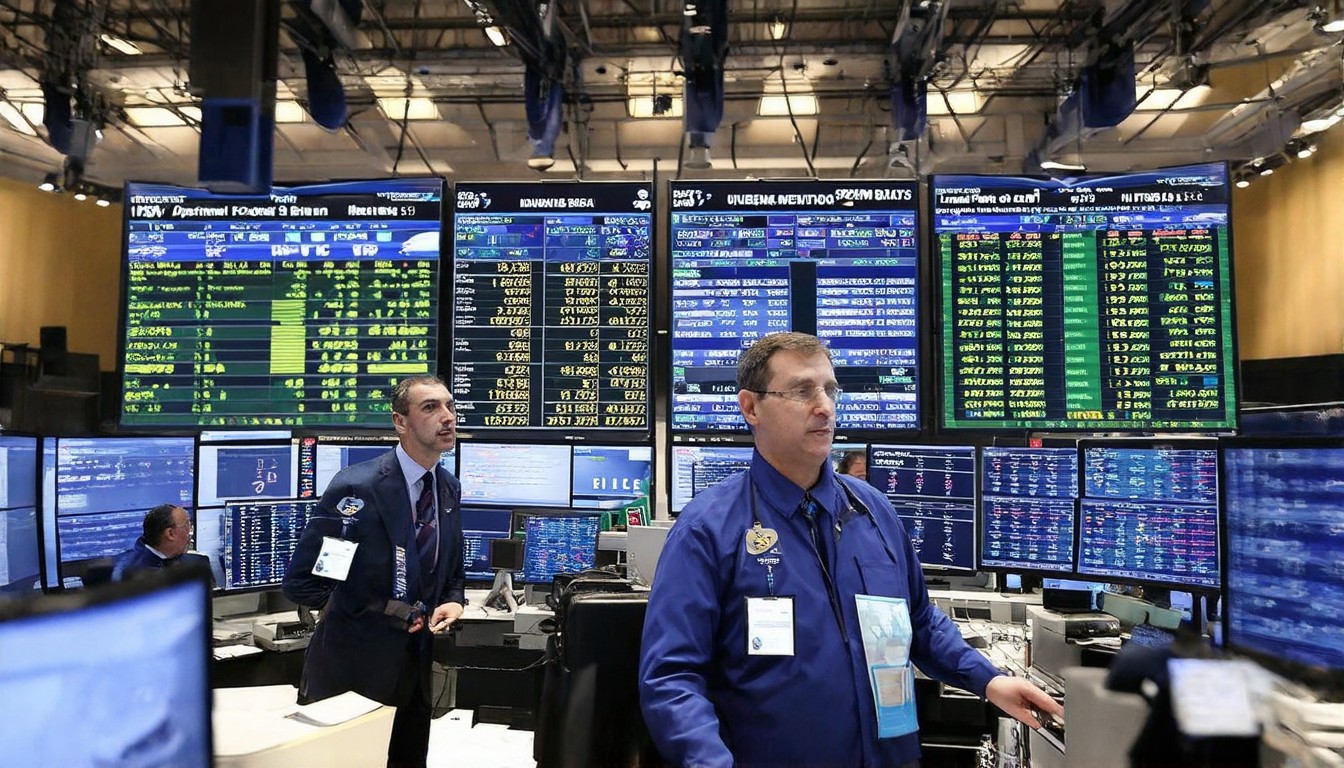
European markets experienced a mixed performance as tensions surrounding Iran's nuclear program intensified, pushing global oil prices to new highs. The escalating geopolitical situation has sent shockwaves through financial markets, particularly in Asia and Europe, where investors are growing increasingly concerned about the potential impact on energy markets and global economies.
The Brent crude oil price has surged by more than 50% since the conflict began, reflecting heightened fears of disruptions to global oil supply. This dramatic increase is a direct result of the geopolitical tensions, as investors anticipate potential restrictions on Iranian oil exports, which currently account for approximately 2 million barrels per day. Such a reduction in supply could lead to significant price volatility and inflationary pressures worldwide.
Asian markets were among the first to feel the impact of the rising oil prices, with major indices like the Nikkei 225 and the Hang Seng Index experiencing significant declines. Investors in these regions are particularly vulnerable due to their heavy reliance on imported oil and the potential for higher fuel costs to affect consumer spending and business operations. The drop in Asian markets has also influenced European stock markets, as investors in Europe grapple with the implications of higher oil prices on their economies.
In Europe, the mixed performance of markets can be attributed to varying levels of exposure to oil-dependent sectors. Countries like Germany, which heavily rely on imported oil, are likely to feel the brunt of the price increases, while others, such as Norway, which is a significant oil producer, may see different economic outcomes. The uncertainty surrounding the geopolitical situation has led to increased volatility in European stock markets, with some sectors experiencing gains as investors shift towards safer assets.
The European Central Bank (ECB) has been closely monitoring the situation, as higher oil prices could exacerbate inflationary pressures in the Eurozone. The ECB has previously stated that it is prepared to act if inflation exceeds its target range, but the escalating tensions in Iran pose a significant challenge to its monetary policy goals.
Meanwhile, geopolitical analysts are warning that the situation could escalate further, with both the United States and Iran engaging in a dangerous game of brinkmanship. Any further incidents, such as attacks on oil tankers or increased military activity in the region, could lead to a complete collapse of the oil market and severe economic repercussions globally.
In response to the rising oil prices, some European countries are urging for increased investment in renewable energy sources and energy efficiency measures to reduce their dependence on imported oil. However, such transitions require significant time and resources, and the immediate impact on oil prices may not be felt until these initiatives are fully implemented.
As the situation continues to unfold, European policymakers are under pressure to develop strategies to mitigate the potential economic impacts of the rising oil prices. This includes exploring alternative energy sources, diversifying supply chains, and implementing policies to support energy-intensive industries.
In conclusion, the escalating tensions in Iran have sent shockwaves through European and Asian markets, with oil prices soaring to unprecedented levels. The geopolitical situation has created significant uncertainty for investors and policymakers, as they grapple with the potential consequences for global economies. While efforts to reduce dependence on oil and diversify energy sources are underway, the immediate challenges remain daunting, and the situation continues to evolve rapidly.