Eurasian cargo hub expands to capture Europe-Asia freight flows
A new cargo terminal, expanded fuel storage and a duty-free customs regime aim to cut transit times and costs. The strategy targets airlines and logistics operators seeking alternative routes between Europe and Asia.
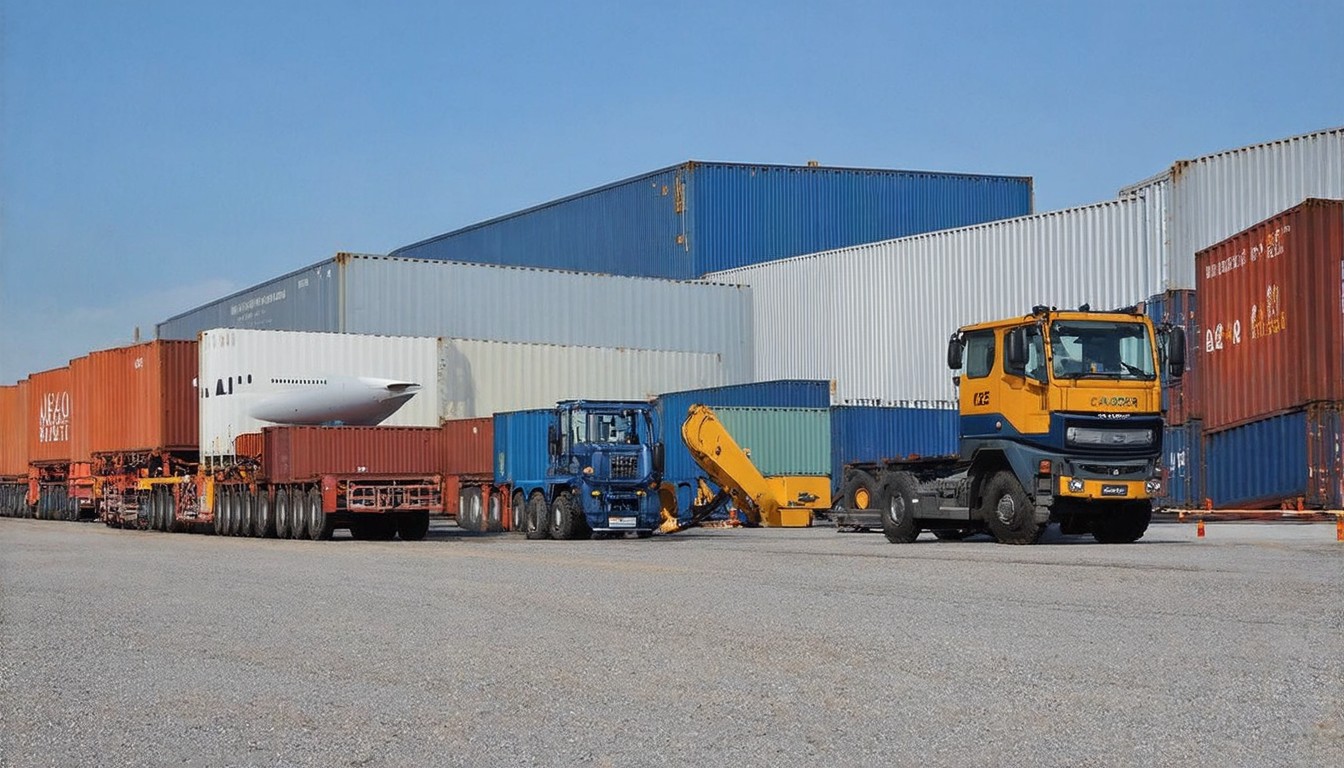
In an effort to capture a significant share of the lucrative Europe-Asia freight market, a major Eurasian cargo hub has announced plans to expand its infrastructure and operations. The initiative, which includes the construction of a new cargo terminal, the expansion of fuel storage facilities, and the introduction of a duty-free customs regime, is designed to reduce transit times and costs for airlines and logistics operators seeking alternative routes between the two continents.
The new cargo terminal, set to be completed within the next two years, will feature state-of-the-art facilities to handle increased cargo volumes. With a focus on efficiency and speed, the terminal will be equipped with advanced sorting systems and automated handling equipment, allowing for faster processing of goods. This will not only reduce the time it takes for cargo to move through the hub but also enhance the overall efficiency of the logistics chain.
In addition to the cargo terminal, the hub is expanding its fuel storage capabilities to support the growing needs of airlines operating in the region. The expanded storage will enable airlines to refuel more efficiently, reducing the time they spend on the ground and allowing for more frequent and reliable flights. This development is particularly timely, as airlines are under pressure to increase their operational efficiency in response to the growing demand for air cargo services.
A key component of the hub's strategy is the introduction of a duty-free customs regime. By streamlining the customs process and eliminating unnecessary delays, the duty-free regime aims to reduce the overall cost of transporting goods between Europe and Asia. This will make the Eurasian hub more attractive to logistics operators and airlines, who are increasingly looking for cost-effective solutions to meet the rising demand for air freight services.
The expansion of the Eurasian cargo hub is part of a broader trend in the global air cargo market. As trade between Europe and Asia continues to grow, so too does the need for efficient and reliable transportation routes. The hub's strategy to cut transit times and costs is a direct response to the changing dynamics of the market, as operators seek to differentiate themselves and capture a larger share of the freight flows.
The success of the Eurasian cargo hub's expansion plans will depend on several factors, including the ability to attract and retain key customers. To this end, the hub is working closely with airlines and logistics operators to understand their needs and tailor its services accordingly. By offering a competitive and efficient logistics solution, the hub hopes to become a preferred choice for those seeking alternative routes between Europe and Asia.
In the long term, the expansion of the Eurasian cargo hub could have significant implications for the global air cargo market. By providing a viable alternative to traditional routes, the hub could help to diversify the market and reduce reliance on a limited number of existing routes. This could lead to increased competition, lower costs, and improved service levels for customers.
In conclusion, the Eurasian cargo hub's plans to expand its infrastructure and operations represent a strategic move to capture a larger share of the Europe-Asia freight market. With a new cargo terminal, expanded fuel storage, and a duty-free customs regime, the hub is well-positioned to offer a competitive and efficient logistics solution for airlines and logistics operators. As the global air cargo market continues to evolve, the success of the Eurasian hub will be closely watched, with potential implications for the entire industry.