
Eurasian cargo hub expands to capture Europe-Asia freight flows
A new cargo terminal, expanded fuel storage and a duty-free customs regime aim to cut transit times and costs. The strategy targets airlines and logistics operators seeking alternative routes between Europe and Asia.
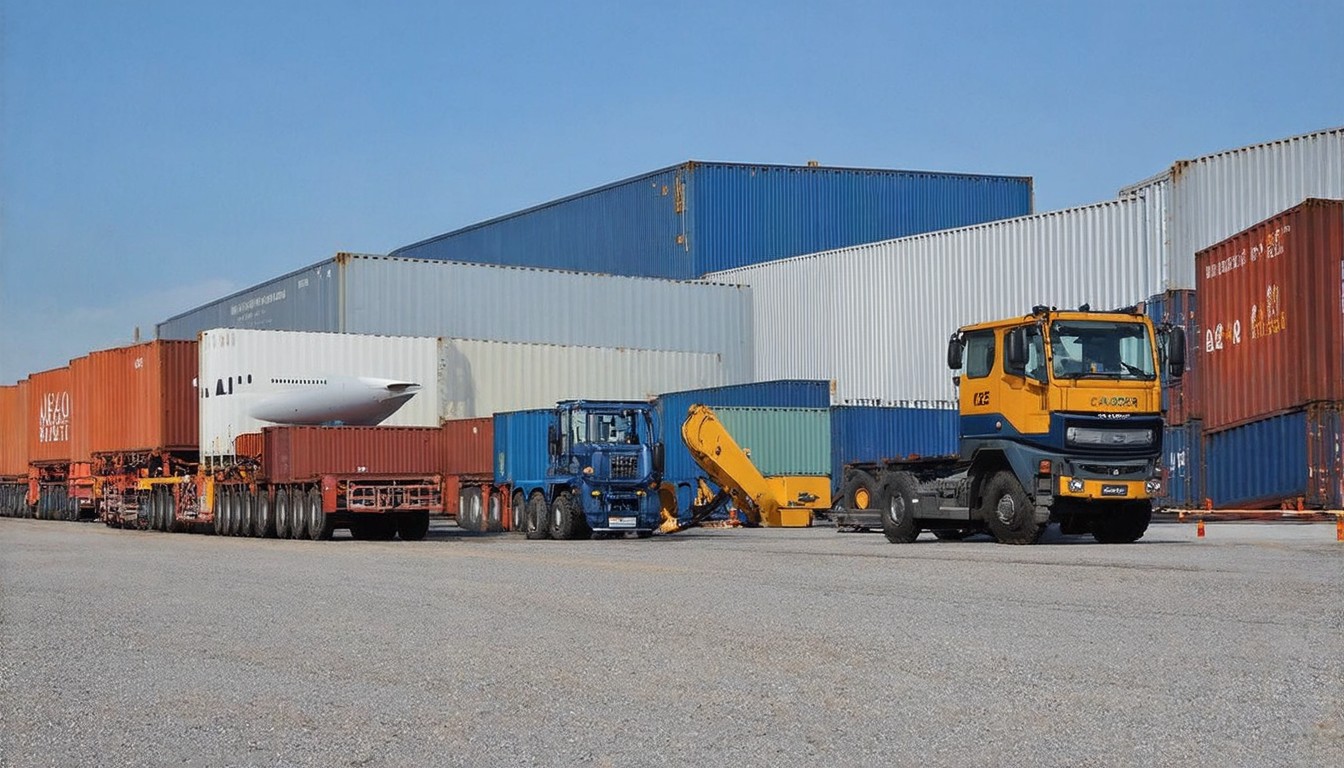
In a bid to capture a significant share of the lucrative Europe-Asia freight market, a major Eurasian cargo hub has announced plans to expand its infrastructure and operations. The initiative, which includes the construction of a new cargo terminal, the expansion of fuel storage facilities, and the introduction of a duty-free customs regime, is designed to reduce transit times and costs for airlines and logistics operators seeking alternative routes between the two continents.
The new cargo terminal, set to be one of the largest in the region, will be equipped with state-of-the-art handling equipment and facilities to streamline the processing of goods. This will enable faster clearance times and improved efficiency, which is crucial in a market where speed and reliability are paramount. The expansion of fuel storage facilities will also ensure that airlines operating in the region have access to sufficient fuel supplies, reducing delays caused by fuel shortages or price fluctuations.
A key component of the strategy is the introduction of a duty-free customs regime. This will offer significant cost savings for logistics operators, as they will no longer be required to pay duties on goods passing through the hub. By eliminating these additional costs, the hub aims to become a more attractive option for companies looking to transport goods between Europe and Asia. The duty-free regime will also help to reduce the administrative burden on operators, further enhancing the competitiveness of the hub.
The Eurasian cargo hub's expansion is part of a broader trend in the global logistics industry, as companies seek to diversify their supply chains and reduce their reliance on traditional routes. The hub's strategic location, straddling Europe and Asia, offers a unique opportunity to connect with both continents, providing a viable alternative to existing routes that may be congested or subject to geopolitical tensions.
The initiative is expected to have a significant impact on the local economy, generating jobs and stimulating growth in related industries. The expansion will also position the hub as a key player in the global freight market, competing with established players such as Singapore and Dubai.
However, the success of the project will depend on several factors, including the ability to attract a sufficient volume of cargo and the capacity to manage the increased traffic. The hub will need to work closely with airlines and logistics operators to ensure that the new facilities are well-utilized and that the services provided meet the needs of the market.
In conclusion, the Eurasian cargo hub's expansion represents a bold move to capture a significant share of the Europe-Asia freight market. With its new cargo terminal, expanded fuel storage, and duty-free customs regime, the hub is well-positioned to offer faster, cheaper, and more efficient transportation options for airlines and logistics operators. As the global economy continues to evolve, the ability to adapt and innovate will be key to maintaining competitiveness in the highly dynamic freight market.









