EU-Australia trade deal: What does business between the two look like?
The trade between the EU and Australia is expected to climb as much as 33% over the next decade after they signed a landmark deal. But how has their trade relationship developed so far?
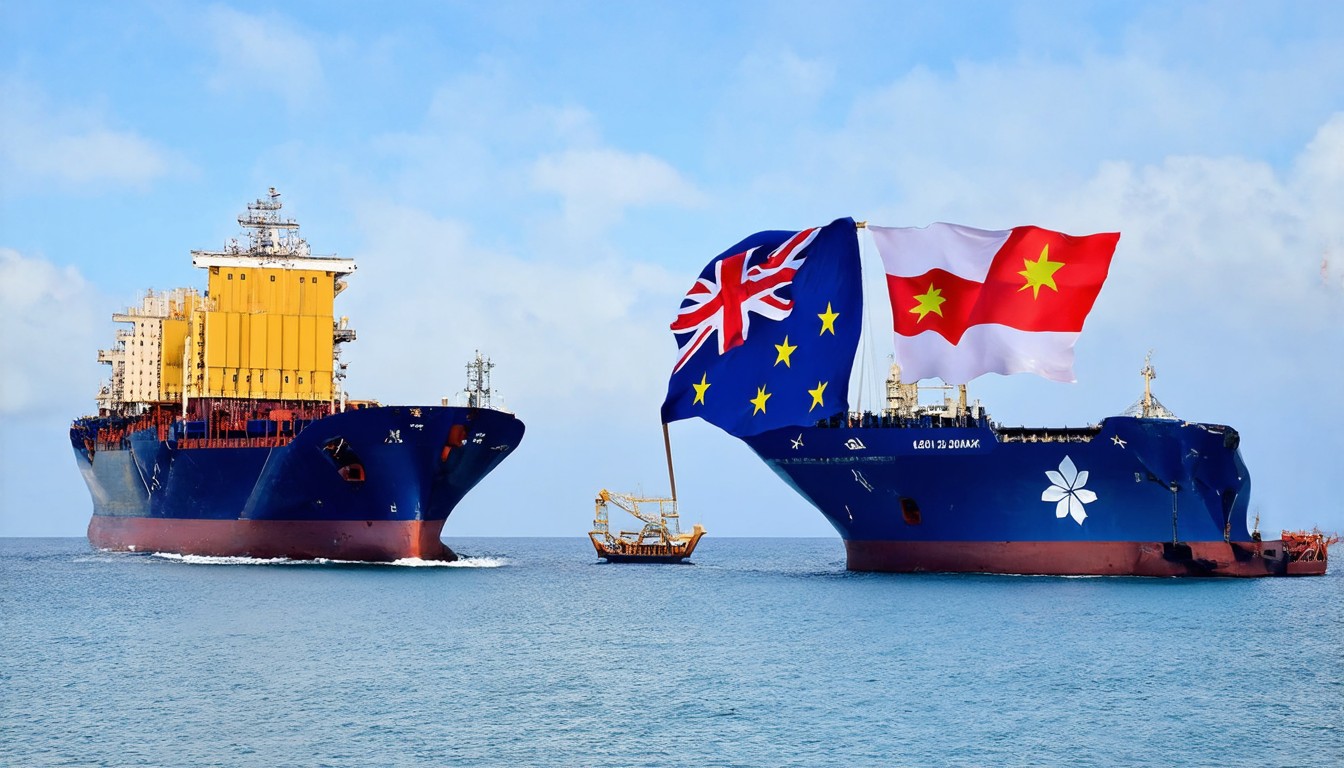
The European Union (EU) and Australia have recently signed a landmark trade deal that is projected to boost their bilateral trade by as much as 33% over the next decade. This significant agreement underscores the growing importance of their economic relationship, but it also raises questions about how this trade partnership has developed over time and what it means for businesses on both sides.
Historically, the EU and Australia have maintained a strong trade relationship, with each region being among the top trading partners for the other. In 2022, the EU was Australia's fourth-largest trading partner, while Australia ranked as the EU's 15th-largest trading partner. This relationship has been driven by a variety of factors, including Australia's abundant natural resources and the EU's advanced manufacturing and services sectors.
One of the key drivers of trade between the EU and Australia has been the demand for Australian raw materials. The EU is a major importer of Australian coal, iron ore, and other minerals, which are crucial for the continent's industrial activities. On the other hand, Australia benefits from the EU's high-value manufactured goods, such as machinery, vehicles, and pharmaceuticals.
The recent trade deal aims to further strengthen this relationship by removing barriers to trade, such as tariffs and quotas, and by harmonizing regulatory standards. This will make it easier for businesses on both sides to conduct trade and invest in each other's markets. The deal also includes provisions for cooperation in areas such as climate change, innovation, and digital trade, reflecting the shared priorities of both regions.
However, the development of this trade relationship has not been without challenges. In recent years, tensions have arisen over issues such as trade practices and environmental concerns. For instance, the EU has accused Australia of dumping certain commodities, while Australia has raised concerns about the EU's carbon pricing policies, which it argues could disadvantage its export industries.
Despite these challenges, both the EU and Australia have demonstrated a commitment to resolving these issues through dialogue and cooperation. The recent trade deal is seen as a positive step in this direction, as it includes mechanisms for addressing disputes and promoting transparency.
For businesses in both regions, the potential benefits of this enhanced trade relationship are significant. Smaller companies, in particular, may find it easier to access new markets and expand their operations. Larger corporations could benefit from increased competition and innovation, as they are forced to adapt to the other region's business practices and consumer preferences.
However, the success of this trade deal will also depend on the ability of businesses to adapt to the new opportunities and challenges. This may require investment in research and development, as well as a willingness to explore new business models and partnerships.
In conclusion, the EU-Australia trade deal represents a significant opportunity for businesses on both sides to grow and innovate. While the relationship has developed over time, with both successes and challenges, the recent agreement marks a new chapter in their economic partnership. As the two regions work together to address remaining issues and seize new opportunities, the potential for mutual economic growth and development becomes increasingly clear.