EU-Australia trade deal: What does business between the two look like?
The trade between the EU and Australia is expected to climb as much as 33% over the next decade after they signed a landmark deal. But how has their trade relationship developed so far?
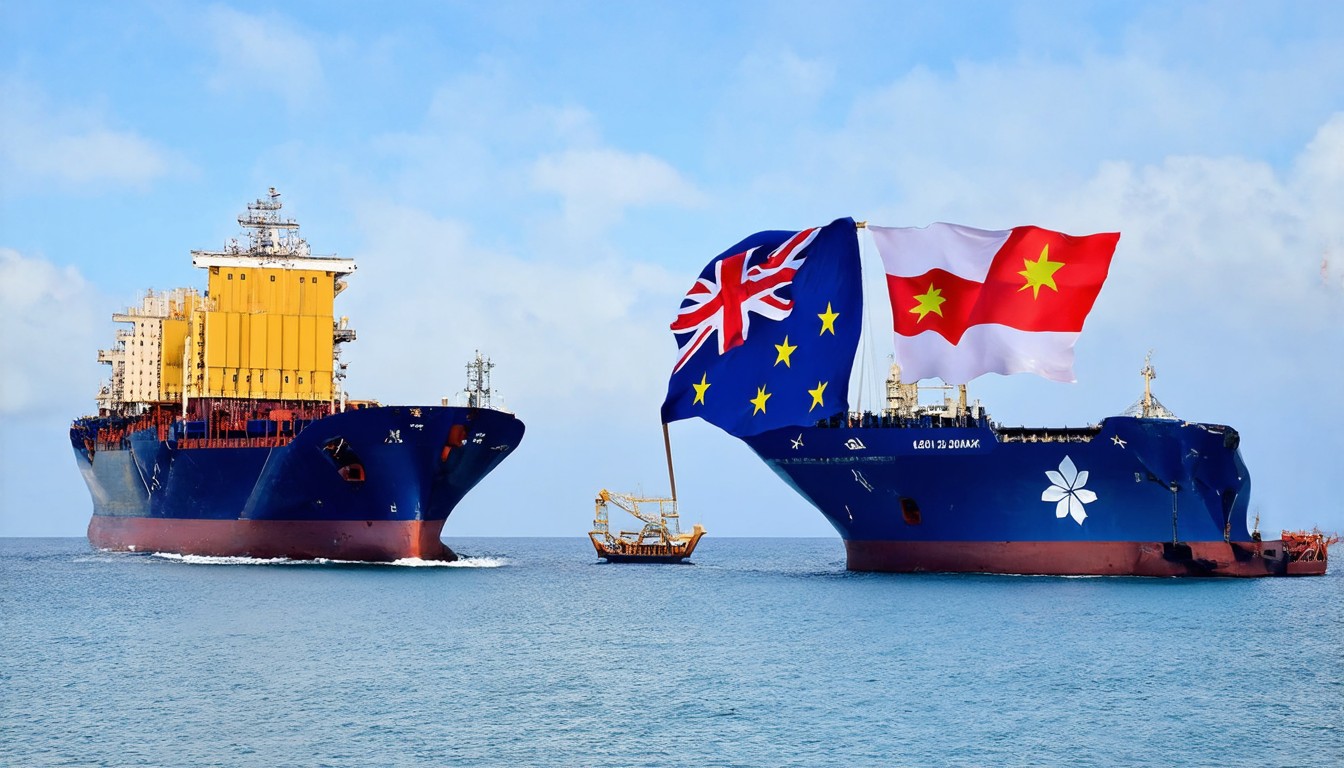
The European Union (EU) and Australia have recently signed a landmark trade deal that is expected to boost their bilateral trade by as much as 33% over the next decade. This significant agreement underscores the growing importance of trade between these two regions, but it also raises questions about how their trade relationship has developed in the past and what the future holds.
Historically, the EU and Australia have had a long-standing relationship, with trade ties dating back to the mid-20th century. The EU has long been one of Australia's largest trading partners, and the two regions have collaborated on various fronts, including trade, investment, and cultural exchanges. However, the recent trade deal represents a new chapter in their relationship, aiming to deepen economic ties and foster mutual growth.
One of the key drivers of the EU-Australia trade relationship has been the diverse nature of their economies. The EU, with its vast single market, offers Australia access to over 450 million consumers. In return, Australia provides the EU with a range of natural resources, including minerals, agricultural products, and energy. This complementary relationship has been beneficial for both parties, as it allows them to specialize in areas where they have a comparative advantage.
The recent trade deal, which includes provisions for reducing tariffs, improving market access, and enhancing cooperation in areas such as innovation and sustainability, is expected to further strengthen these economic ties. By removing trade barriers, the agreement aims to stimulate investment and create new opportunities for businesses on both sides. For instance, Australian companies could gain better access to the EU's manufacturing and service sectors, while EU firms could benefit from reduced tariffs on agricultural and resource products.
However, the development of the EU-Australia trade relationship has not been without challenges. In the past, issues such as differing regulatory standards and trade disputes have occasionally strained relations. For example, the EU has occasionally imposed anti-dumping measures on certain Australian products, while Australia has raised concerns about EU restrictions on agricultural imports. These challenges have required both parties to engage in dialogue and find common ground to ensure the smooth functioning of their trade relationship.
Despite these challenges, the EU and Australia have consistently worked to address these issues and maintain a positive trade relationship. The recent trade deal is a testament to their commitment to fostering economic growth and cooperation. It is also a reflection of the evolving global economic landscape, where regional trade agreements are becoming increasingly important in promoting stability and prosperity.
Looking ahead, the EU-Australia trade deal presents exciting opportunities for businesses in both regions. It could lead to increased investment, job creation, and innovation, as companies seek to leverage the newfound access to each other's markets. Moreover, the agreement's focus on sustainability and innovation could help drive a greener, more resilient global economy.
In conclusion, the EU-Australia trade relationship has evolved significantly over the years, with the recent landmark deal marking a new era of economic collaboration. While challenges have arisen, both regions have demonstrated a commitment to addressing these issues and building a robust, mutually beneficial trade partnership. As the world continues to navigate complex economic dynamics, the EU-Australia agreement serves as a model for how trade can drive growth and foster cooperation in an interconnected global economy.