EU-Australia trade deal draws ire of farmers and lawmakers
The new EU-Australia trade deal has drawn criticism from farmers and MEPs, who argue that it will open the door to additional imports of sensitive products on top of those already agreed under the contentious Mercosur deal, while not providing full protection for certain EU regional products.
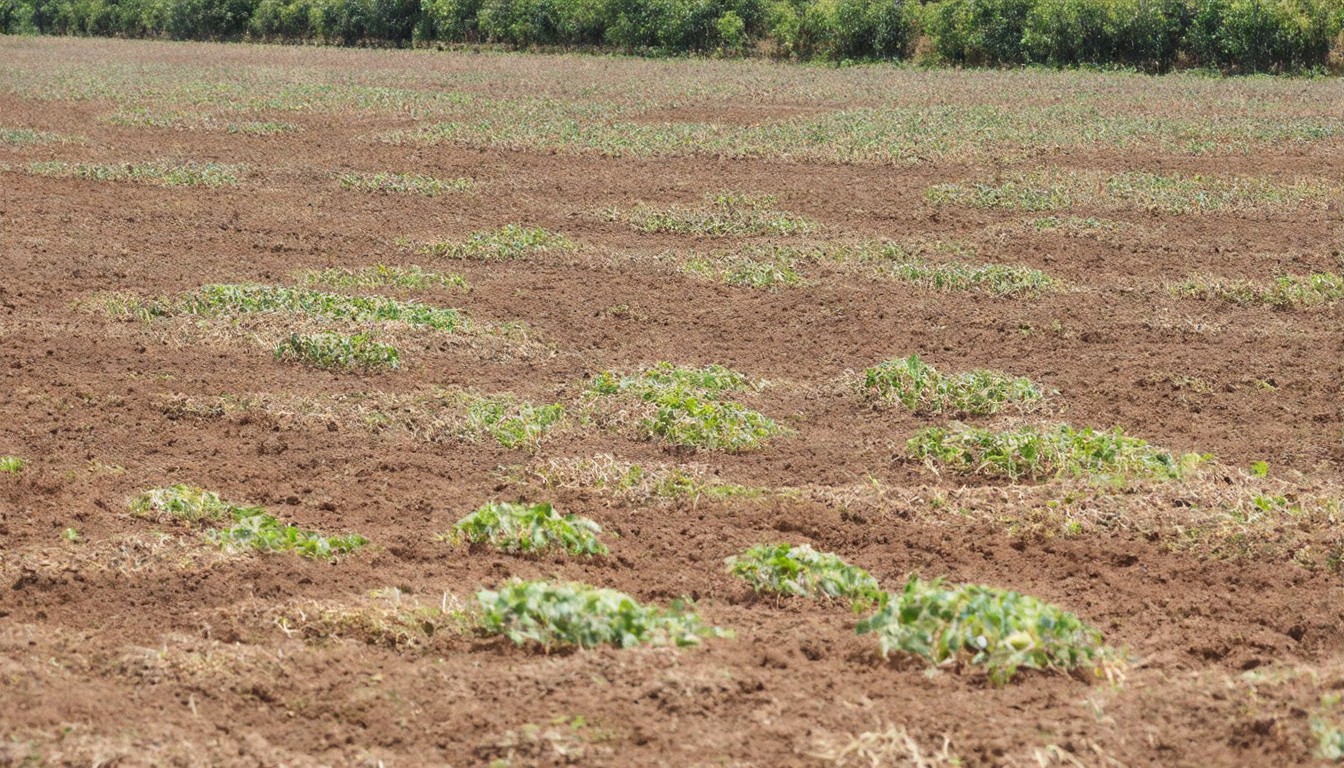
The recent EU-Australia trade agreement has sparked significant controversy among farmers and lawmakers, who are concerned about the potential influx of sensitive agricultural products into the European market. Critics argue that the deal, which seeks to expand economic ties between the two regions, will exacerbate the challenges faced by EU farmers already struggling to compete with imports under the controversial Mercosur trade deal.
The EU-Australia agreement, which was negotiated in the wake of the Mercosur deal, has been met with skepticism from agricultural stakeholders. Farmers and Members of the European Parliament (MEPs) have raised concerns that the new pact will further undermine the competitiveness of EU regional products. They argue that the deal lacks sufficient safeguards to protect these products from being outcompeted by cheaper imports, particularly in sectors such as beef, lamb, and dairy.
The criticism stems from the fact that the EU-Australia agreement is seen as an extension of the Mercosur deal, which has been widely criticized for opening up the EU market to large-scale imports of agricultural goods from Brazil, Argentina, and Uruguay. Farmers and MEPs fear that the new agreement will add to the existing pressures, leading to further job losses and economic instability in rural areas across the EU.
In addition to concerns about imports, there are also worries that the EU-Australia deal will not adequately address the needs of EU regional producers. Critics argue that the agreement does not provide sufficient protection for products that are unique to certain regions, such as those with Protected Designation of Origin (PDO) or Protected Geographical Indication (PGI) status. This has led to fears that these products could be at risk of being undercut by cheaper, non-regional alternatives from Australia.
The EU Commission has defended the agreement, arguing that it will bring economic benefits to both the EU and Australia by increasing trade and investment. However, the criticism from farmers and MEPs has highlighted the need for a more balanced approach to trade deals that takes into account the interests of domestic producers.
In response to the concerns, some MEPs have called for a reevaluation of the EU's trade strategy, particularly in the context of the ongoing negotiations with other countries and regions. They argue that the EU must prioritize the protection of its agricultural sector, which is vital for the livelihoods of millions of farmers and the economic stability of rural communities.
The debate over the EU-Australia trade deal is a reminder of the complex challenges faced by the EU in balancing its economic ambitions with the need to safeguard its agricultural sector. As the agreement moves forward, it will be crucial for policymakers to address the concerns of farmers and lawmakers, ensuring that the benefits of increased trade are shared equitably across all regions and sectors.
In conclusion, the EU-Australia trade deal has become a focal point for criticism from farmers and MEPs, who fear that it will further erode the competitiveness of EU regional products. The agreement's potential impact on sensitive agricultural sectors and the lack of adequate safeguards for protected regional products have sparked calls for a more cautious approach to trade negotiations. As the debate continues, the EU must find a way to balance its economic goals with the need to protect its agricultural heritage and the livelihoods of its farmers.