Estée Lauder and Puig in €35bn merger talks to combine major beauty brands
Estée Lauder has confirmed merger talks with Spain’s Puig as it looks to strengthen its position in fragrances and reverse a prolonged sales decline.
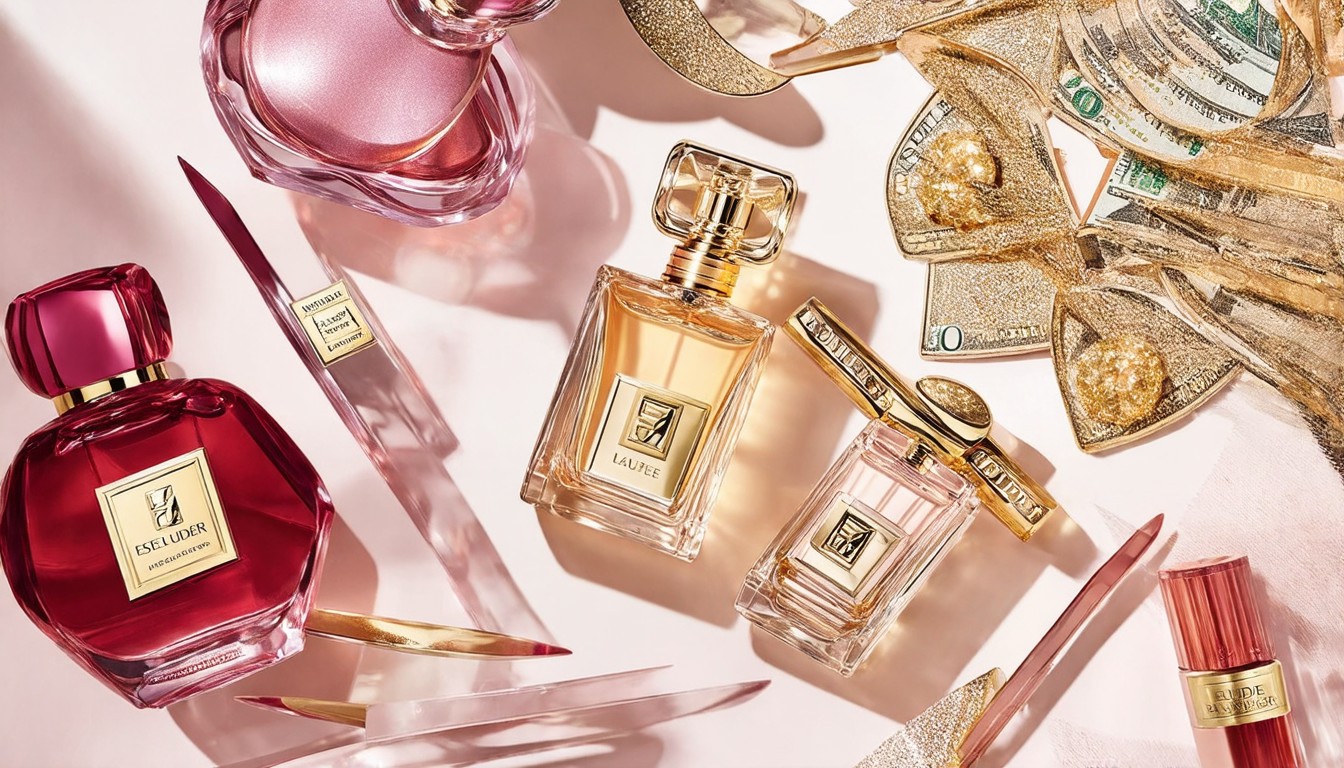
Estée Lauder and Puig, two major players in the global beauty industry, are reportedly in advanced talks to merge in a deal valued at around €35 billion. This potential merger aims to create a powerhouse in the fragrance sector and help Estée Lauder counter its recent sales decline.
Estée Lauder, a New York-based cosmetics giant, has been facing challenges in recent years, with sales stagnation and a decline in profitability. The company, founded by Estée Lauder in 1946, has long been synonymous with high-end beauty products, but the competitive landscape has intensified, particularly in the fragrance market. By partnering with Puig, Estée Lauder hopes to bolster its fragrance portfolio and gain a stronger foothold in this lucrative segment.
Puig, a Spanish-based company founded in 1912, is known for its diverse range of fragrances and personal care products. The company owns several iconic brands, including Carolina Herrera, Paco Rabanne, and Jean Paul Gaultier. Puig has been successful in expanding its presence in emerging markets, particularly in Asia and Latin America, and its expertise in fragrances aligns well with Estée Lauder’s strategic goals.
The merger talks are seen as a strategic move by Estée Lauder to enhance its global reach and diversify its product offerings. With Puig’s portfolio, Estée Lauder could leverage its distribution networks and gain access to new markets. This combination could also help Estée Lauder to innovate and develop new fragrance lines, capitalizing on Puig’s experience and brand recognition.
However, the deal is not without its challenges. Regulatory approvals will be crucial, as the merger could lead to significant market consolidation. Competitors and industry analysts will closely monitor the potential impact on market dynamics, particularly in the fragrance sector. There may also be concerns about brand integration and maintaining the distinct identities of the various brands involved.
Despite these challenges, both companies are optimistic about the potential benefits of the merger. Estée Lauder’s leadership has emphasized the need to adapt to a rapidly changing market, and the acquisition of Puig’s fragrance assets could provide the necessary boost to reverse sales decline. Puig, on the other hand, sees the opportunity to expand its global footprint and tap into Estée Lauder’s established distribution channels and marketing expertise.
The merger could also have implications for the broader beauty industry. As Estée Lauder and Puig combine forces, it may prompt other players to reevaluate their strategies and accelerate their own growth initiatives. This could lead to increased competition and innovation, benefiting both companies and consumers in the long run.
In conclusion, the potential €35 billion merger between Estée Lauder and Puig represents a significant development in the beauty industry. The deal aims to strengthen Estée Lauder’s position in fragrances and help it address its sales challenges, while Puig seeks to expand its global presence. The outcome of these talks will be closely watched, with both companies and industry stakeholders eager to see how this merger will shape the future of the beauty market.