
Errors, erasure, angst: Inside Basirhat’s Boro Gobra where hundreds find themselves struck off electoral rolls
Boro Gobra does not look like a place where something as abstract as an electoral roll could rupture everyday life. It sits quietly in the Basirhat landscape: Ponds holding still... The post Errors, erasure, angst: Inside Basirhat’s Boro Gobra where hundreds find themselves struck off electoral rolls appeared first on Alt News .
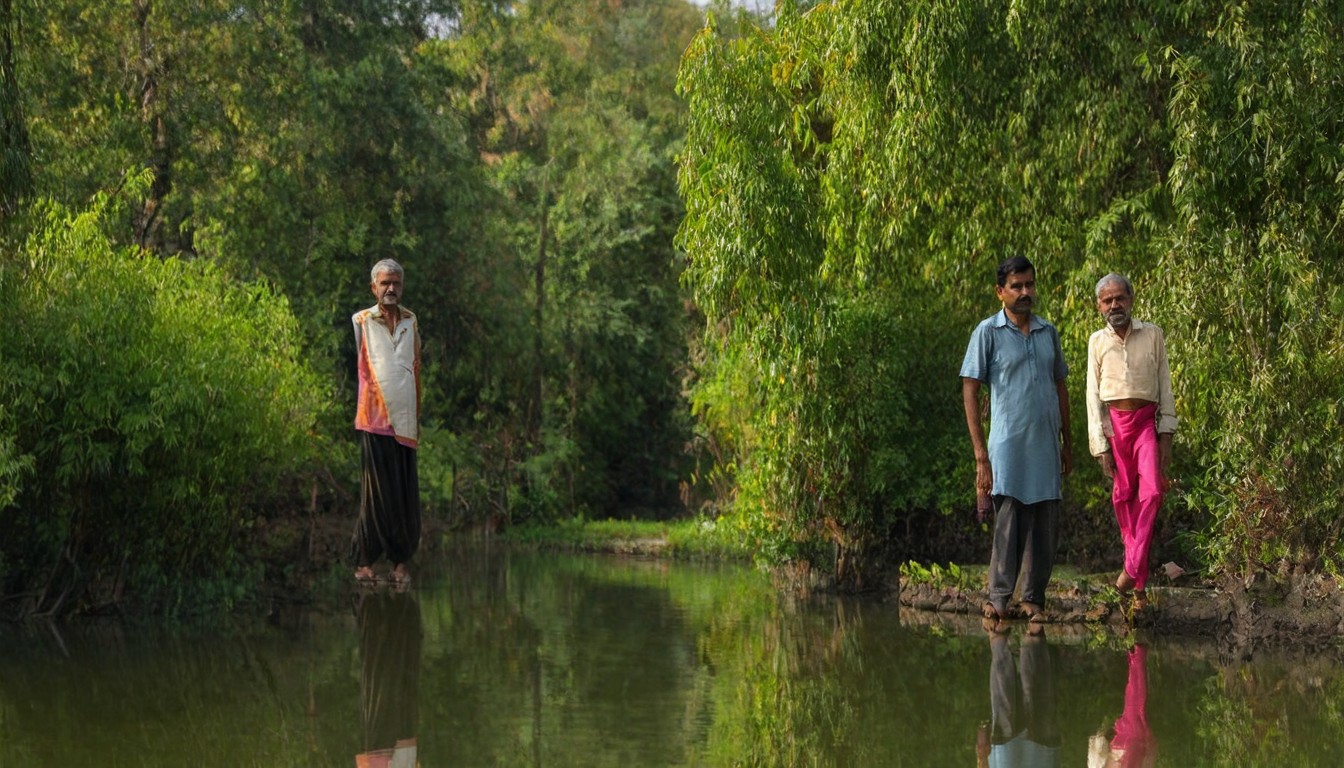
In the tranquil village of Boro Gobra, nestled in the Basirhat landscape, life has been disrupted by an unexpected crisis. The usually serene scene, with its still ponds and fruit trees, has been replaced by clusters of anxious residents gathered in tight circles, their voices lowered but urgent. At the heart of this unrest is a small stationery shop near the local primary school, where the whirr of a Xerox machine has become the backdrop to a struggle for identity and belonging.
Over the past week, hundreds of names have quietly vanished from the electoral rolls in Boro Gobra. The deletion was not announced publicly or with a knock on the door, but rather appeared in a list published at midnight. On the night of March 23-24, as the first supplementary list was released, 340 residents of Boro Gobra in the Begampur-Bibipur Panchayat of Basirhat-2 Block in West Bengal's North 24 Parganas district found themselves struck off the electoral roll.
The scale of this event is difficult to comprehend. One list wiped out all under-adjudication voters from Booth 5 of Begumpur Bibipur panchayat, and the deletion was disproportionately targeted at Muslims. Many of those affected have lived in the village for generations, voting in successive elections and tracing their roots back through time. Yet, overnight, they have been thrust into a space of doubt, where their very belonging now requires proof.
The situation in Boro Gobra is not an isolated incident. Similar stories are unfolding in neighboring villages, where residents are grappling with the sudden erasure of their names from electoral rolls. The impact of this erasure extends beyond the political realm, touching the very fabric of community and identity.
Mohammad Mijanur Rahaman's shop has become a focal point for the villagers. Many gather there, clutching documents like fragile proofs of their existence. Aadhaar cards, admit cards, land deeds, and affidavits are being produced as evidence of their right to belong. The Xerox machine whirs incessantly, producing copies of these documents, as if the act of reproducing them could somehow validate their place in the community.
The sudden disappearance of names from the electoral rolls has left the affected residents in a state of angst. They are questioning the very foundations of their identity, wondering how they can prove their belonging in a place where they have lived for generations. The erasure has created a sense of insecurity and uncertainty, as they struggle to assert their rightful place in the electoral process.
This crisis in Boro Gobra highlights the fragility of electoral systems and the potential for systemic errors to have profound human consequences. The sudden and unexplained deletion of names from the electoral rolls has not only disrupted the lives of the affected individuals but has also challenged the very notion of community and belonging in the village.
As the residents of Boro Gobra continue to gather in the stationery shop, clutching their documents and seeking validation, the village's once peaceful landscape has been transformed into a site of struggle and uncertainty. The erasure of names from the electoral rolls has turned an abstract concept into a tangible crisis, one that has left hundreds questioning their place in the world.









