‘Entire families brutally erased’: Remembering the victims of the 1994 genocide against the Tutsi in Rwanda
Thirty-two years ago, a genocidal campaign was unleashed against Rwanda’s Tutsi people, resulting in more than million deaths. On Tuesday, the UN is holding commemorations to ensure that the genocide is never forgotten and never repeated. Read the full story, “‘Entire families brutally erased’: Remembering the victims of the 1994 genocide against the Tutsi in Rwanda”, on globalissues.org →
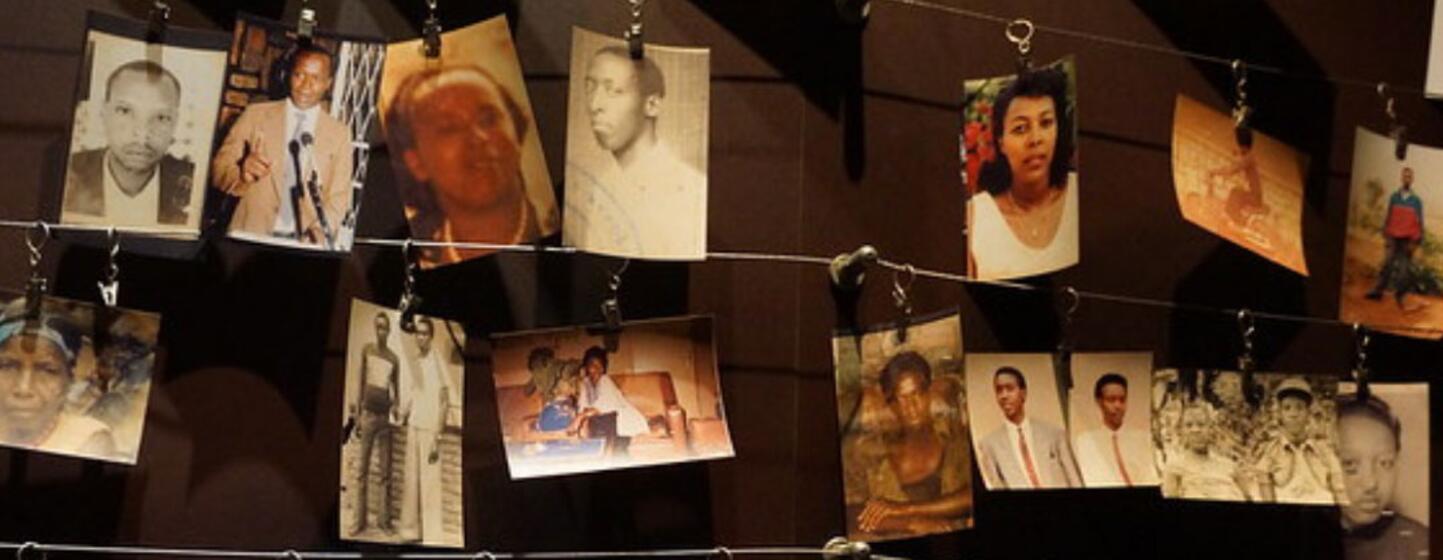
On April 7, 1994, a genocidal campaign was unleashed against Rwanda’s Tutsi people, a minority group that had long been marginalized in the country. Over the course of 100 days, more than 800,000 Tutsi men, women, and children were systematically murdered, marking one of the most horrific episodes of mass violence in modern history. The atrocities committed during this period left an indelible scar on Rwanda and the world, and today, the United Nations and global communities are coming together to commemorate the victims and remember the lessons of the past.
The genocide began with the assassination of President Juvénal Habyarimana, who was killed when his plane was shot down as it approached Kigali International Airport. This event triggered a chain reaction of violence, as extremist Hutu groups, including the Interahamwe militia, mobilized to eliminate the Tutsi population. The Rwandan government, which was predominantly Hutu, played a significant role in orchestrating the killings, issuing radio broadcasts that incited hatred and provided instructions on how to identify and kill Tutsi people.
The scale of the violence was unprecedented. Entire families were brutally erased from Rwanda’s landscape, with machetes and other sharp weapons becoming the primary tools of mass murder. Women and girls were particularly targeted, with widespread rape used as a weapon of war to terrorize and humiliate the Tutsi community. Churches and other safe havens were often stormed, and those seeking refuge were mercilessly slaughtered.
The international community’s response to the genocide has been a subject of much debate and criticism. The United Nations peacekeeping mission in Rwanda, UNAMIR, was severely under-resourced and unable to prevent the carnage. The French and Belgian governments, which had historical ties to Rwanda, have also been criticized for their inadequate actions. The U.S. and other nations eventually intervened, but only after the genocide had already claimed hundreds of thousands of lives.
Despite the horrific losses, Rwanda has made remarkable strides in the decades since the genocide. The country has implemented a unique gacaca justice system, which allowed for mass trials of those accused of participating in the killings. While this system has been praised for its speed and accessibility, it has also faced criticism for its lack of legal safeguards. Rwanda has also made significant progress in reconciliation efforts, with the Rwandan government promoting national unity and fostering dialogue between Hutu and Tutsi communities.
Today, the United Nations and global communities are coming together to honor the memory of the victims and to ensure that the genocide is never forgotten. The commemorations serve as a solemn reminder of the dangers of hatred and division, and the importance of standing up against injustice. As the world reflects on the past, it is crucial to learn from the mistakes of the past and to work towards a future where such atrocities can never be repeated.
The genocide against the Tutsi people in Rwanda remains a haunting reminder of the capacity for human cruelty. As we remember the victims, we must also commit to building a world that values peace, justice, and equality for all. The legacy of the 1994 genocide is a call to action, urging us to confront prejudice, promote understanding, and work tirelessly to prevent such tragedies from happening again.