Energy resilience of India amid West Asia crisis; How Strategic realism delivers oil at reasonable prices to people
The war in West Asia has jeopardized the global energy paradigm. Oil is indeed the engine of the world economy. However, stimulated by the geopolitical conflict in the gulf, the energy chokepoints are blocked and oil tankers are bombarded. Critical energy facilities and refineries are entangled in massive firing. Energy production is paralysed thus completely disrupting the global supply chain. Cumulatively the oil prices are skyrocketing with nations struggling to fulfill energy priorities to its people at reasonable prices. Amidst such an escalating basket of risks that are decapsulating global energy security, India is marching in the path of consolidating the energy priorities embedded with strategic autonomy, realist approach and overarching diplomatic potential. The strategic propositions of New Delhi are redefining and securing India’s position in the great energy game which is volatile. While the oil prices across the globe are soaring beyond control, the energy prices in India have remained stable coupled with consistent supply. While the world is witnessing weaponisation of energy to seek hegemonic ambitions, India is fueling oil at fair and reasonable prices to its people. While the oil tankers of world-nations are stuck in the Strait of Hormuz, India has channelized safe passage of tankers and energy import diversification strategy to accelerate national priorities. Oil prices stable in India as it skyrockets across globe The geopolitical crisis in the gulf region has had a ripple effect on the global oil prices. Post the blockade of the Strait of Hormuz, world’s most critical energy chokepoint and
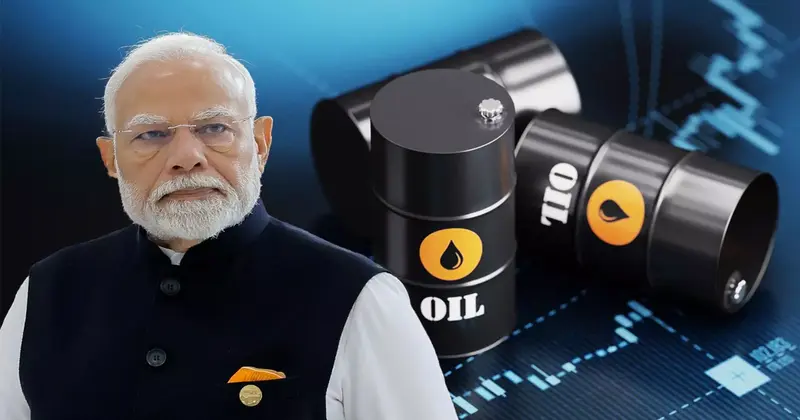
The geopolitical crisis in West Asia has sent shockwaves through the global energy market, with oil prices soaring as the region's critical chokepoints are disrupted. Oil, the lifeblood of the world economy, has become a focal point of conflict, as nations grapple to secure stable energy supplies amid escalating tensions. However, amid this volatile landscape, India stands out as a beacon of energy resilience, leveraging strategic realism and diplomatic acumen to maintain oil prices at reasonable levels for its citizens.
The war in West Asia has paralyzed energy production and disrupted the global supply chain. Oil tankers are stuck in the Strait of Hormuz, a vital chokepoint that has been targeted in recent conflicts. Refineries and energy facilities across the region have been hit, leading to a surge in oil prices in over 95 countries. The United States, at the heart of the conflict, has seen oil prices rise by more than 41 percent.
In contrast, India has managed to maintain stable energy prices, ensuring a consistent supply to its population. This achievement is rooted in New Delhi's strategic autonomy and realist approach, which have redefined India's position in the volatile global energy game. By prioritizing energy security, India has secured its energy priorities while navigating the complexities of the geopolitical landscape.
The world is witnessing the weaponization of energy, with nations using it as a tool to assert hegemonic ambitions. However, India has taken a different path, focusing on fair and reasonable oil prices for its people. This approach has been made possible through India's diversification of energy imports and the safe passage of tankers, even as global routes are disrupted.
India's energy resilience is not merely a response to the crisis but a testament to its long-term strategic vision. The country has invested in domestic production, renewable energy sources, and alternative import routes to reduce dependence on volatile global markets. This diversification has allowed India to insulate itself from the global price spikes, ensuring that its citizens are not unduly burdened by soaring oil costs.
Moreover, India's diplomatic efforts have played a crucial role in maintaining energy stability. By building strong relationships with energy-rich nations and engaging in strategic partnerships, India has ensured a steady flow of oil, even as global markets face disruptions. This diplomatic outreach has also helped India navigate the complexities of the geopolitical crisis, allowing it to position itself as a stable energy provider amidst the turmoil.
The crisis in West Asia has underscored the fragility of the global energy system and the need for nations to prioritize energy security. India's success in maintaining stable oil prices demonstrates that strategic realism and diplomatic engagement can be effective tools in ensuring energy resilience. By focusing on the needs of its people and building robust energy infrastructure, India has emerged as a model for other nations grappling with the challenges posed by the volatile global energy landscape.
In the face of escalating global oil prices, India's energy resilience stands as a reminder of the importance of strategic foresight and adaptability. As the world watches the crisis unfold, India's ability to maintain stable energy prices offers a glimmer of hope for a more secure and equitable global energy future.