Energy crisis caused by Iran war reveals a tale of two Indonesias
The government's response reveals a widening gap between lived reality and official messaging.
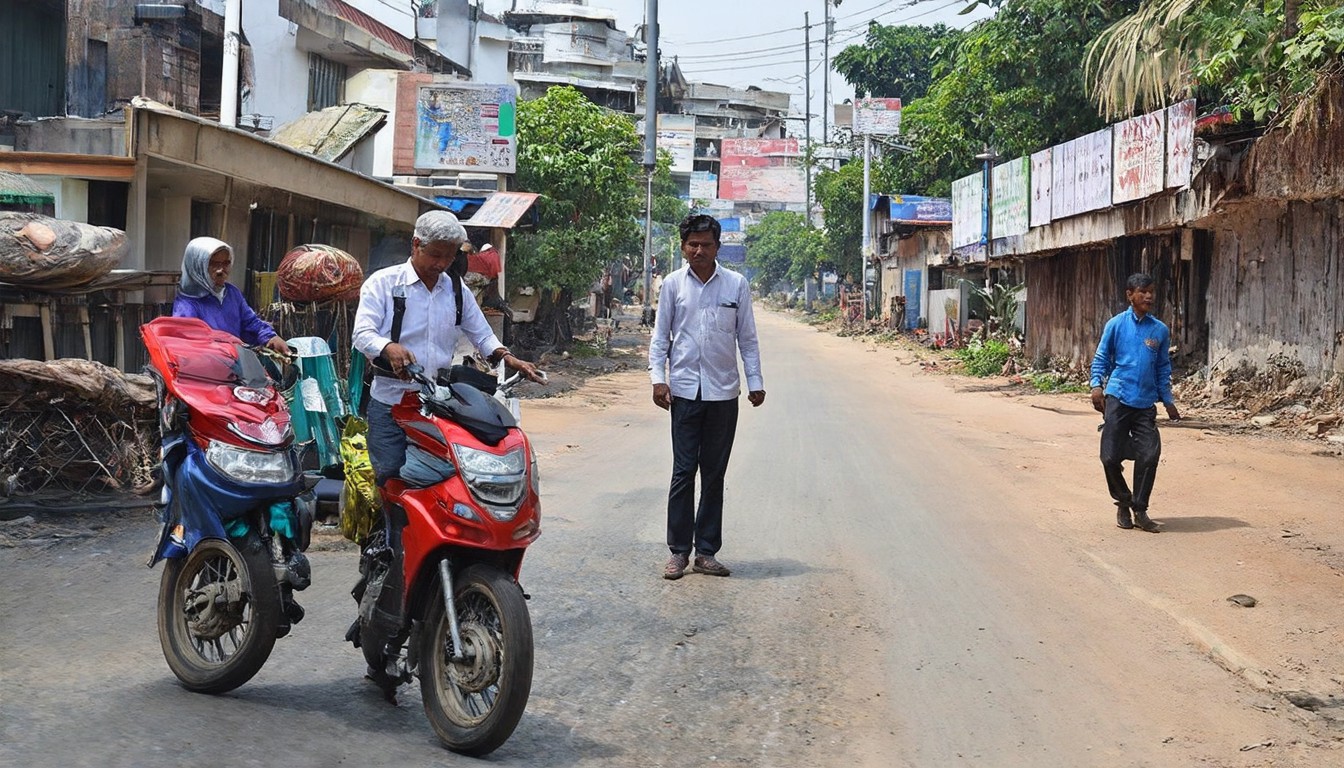
As the world grapples with the escalating energy crisis triggered by the conflict in Iran, a stark contrast emerges between the official narrative and the everyday realities faced by Indonesians. The government's efforts to manage the situation have highlighted a growing divide between what is publicly communicated and the actual experiences of the population.
In the official messaging, the Indonesian government has been vocal about its commitment to stabilizing the energy market. Officials have assured citizens that they are working tirelessly to secure alternative energy sources and maintain supply chains. They have also emphasized the importance of energy conservation and urged the public to adopt sustainable practices. However, despite these assurances, many Indonesians are struggling to keep up with the rising costs of fuel and electricity.
The energy crisis, exacerbated by the ongoing war in Iran, has led to significant price hikes for essential commodities. Benzene, a key ingredient in the production of gasoline, has skyrocketed, causing fuel prices to soar. This has made transportation more expensive, affecting both individuals and businesses. Public transportation systems, already strained by the pandemic, are now facing increased financial pressures. Meanwhile, electricity prices have also risen sharply, putting a strain on households, particularly those in lower-income brackets.
The government's response to these challenges has been met with skepticism by many. While officials have pledged to import more fuel from alternative sources, the logistical challenges and time required to secure these supplies have made a quick resolution seem unlikely. Critics argue that the government's focus on short-term fixes has overlooked the need for long-term, sustainable energy solutions.
This disconnect between official statements and lived experiences is further compounded by the government's handling of information. In an effort to maintain public morale, officials have been selective in sharing details about the severity of the crisis. This has led to a lack of transparency, leaving many Indonesians feeling misinformed and anxious about their future.
The energy crisis has also exposed deep socio-economic inequalities within Indonesian society. Wealthier individuals and businesses can often afford the increased costs, while the poor and middle class are left to grapple with the financial burden. This has sparked calls for targeted relief measures and policies that prioritize the needs of vulnerable populations.
As the energy crisis continues to unfold, the tale of two Indonesias becomes increasingly apparent. On one hand, there is the government's optimistic outlook and assurances of control. On the other hand, there is the reality of everyday life, marked by hardship and uncertainty. The challenge for the Indonesian government now lies in bridging this gap and delivering on its promises to ensure that all citizens can navigate the energy crisis with dignity and stability.
In the face of these challenges, grassroots movements and civil society organizations are stepping up to fill the gap left by the government. Community-led initiatives are being launched to promote energy efficiency, support affected families, and advocate for more transparent and inclusive policies. These efforts highlight the resilience of Indonesian society and the potential for collective action to address systemic issues.
Ultimately, the energy crisis caused by the Iran war serves as a stark reminder of the need for robust, sustainable energy policies in Indonesia. It underscores the importance of balancing official messaging with tangible actions that reflect the realities of life for all citizens. As the country moves forward, it will be crucial for the government to listen to the voices of the people and work collaboratively to build a more equitable and resilient future.