
Emmanuel Macron’s vision of a more muscular Europe is coming true
But his allies disagree on its strategies and goals
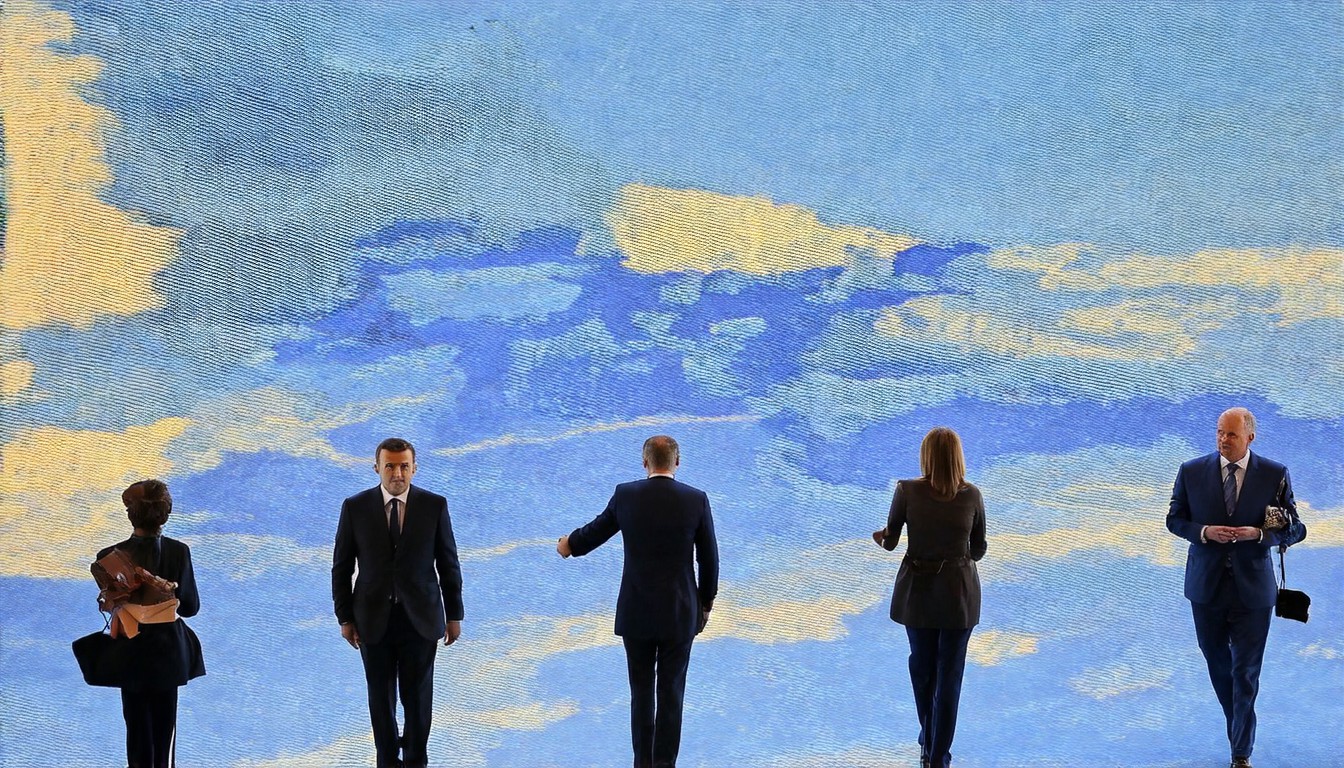
Emmanuel Macron’s vision of a more muscular Europe is coming true, as the French president’s push for a stronger European Union gains traction. Since his election in 2017, Macron has been a vocal advocate for deepening European integration, particularly in areas such as defense, foreign policy, and economic cooperation. His vision is rooted in the belief that a united Europe can better compete with global powers like the United States and China, and that a more robust European defense capability is essential to safeguarding the continent’s security and sovereignty.
One of the key pillars of Macron’s vision is the European Defence Fund, which was officially launched in 2021. This fund, worth €5 billion over seven years, aims to boost European defense spending and foster collaboration between member states. By pooling resources and expertise, Macron argues, Europe can develop advanced military technologies and reduce reliance on external partners, particularly the United States. This initiative has been met with mixed reactions, however, as some European allies express concerns about the potential for increased tensions with NATO and the U.S.
Another area where Macron’s vision is taking shape is in foreign policy. The French president has been a staunch supporter of a more assertive European stance, particularly in the context of the Russia-Ukraine conflict. Macron’s efforts to broker a peace deal between the two nations have been a point of contention, with some allies accusing him of being overly accommodating to Moscow. Despite these disagreements, Macron’s vision of a unified Europe capable of projecting power on the global stage continues to resonate with many European leaders.
Economically, Macron’s vision also extends to the Eurozone. He has long advocated for a more integrated economic union, including the establishment of a common budget and a separate European ministry of finance. These proposals have faced resistance, particularly from countries like Germany, which are wary of increased fiscal commitments. However, the ongoing global economic challenges, including inflation and the need for a green transition, have made the case for deeper economic cooperation more compelling.
Despite the progress being made, Macron’s allies remain divided on the strategies and goals that best achieve his vision of a more muscular Europe. Some argue that the focus should be on building a robust defense industry and fostering technological leadership, while others prioritize economic integration and political unity. There are also concerns about the potential for a “dual-speed” Europe, where a core group of member states advance integration while others lag behind.
In addition to internal disagreements, external factors pose challenges to Macron’s vision. The United States, traditionally a key ally, has expressed skepticism about the direction of European defense cooperation, particularly if it could undermine NATO’s cohesion. Meanwhile, geopolitical tensions with China and Russia continue to test the resolve of European leaders.
Despite these challenges, Macron’s vision of a more muscular Europe is undeniably shaping the continent’s trajectory. As the EU navigates these complexities, the question remains: will the alliance be able to unite around a common vision, or will divergent interests and strategies lead to fragmentation? Only time will tell whether Macron’s aspirations for a stronger, more independent Europe can be realized.








