
Emergency jabs after 100 children die of suspected measles in a month in Bangladesh
More than 100 people, mostly children, have been killed by measles since mid-March, officials suspect.
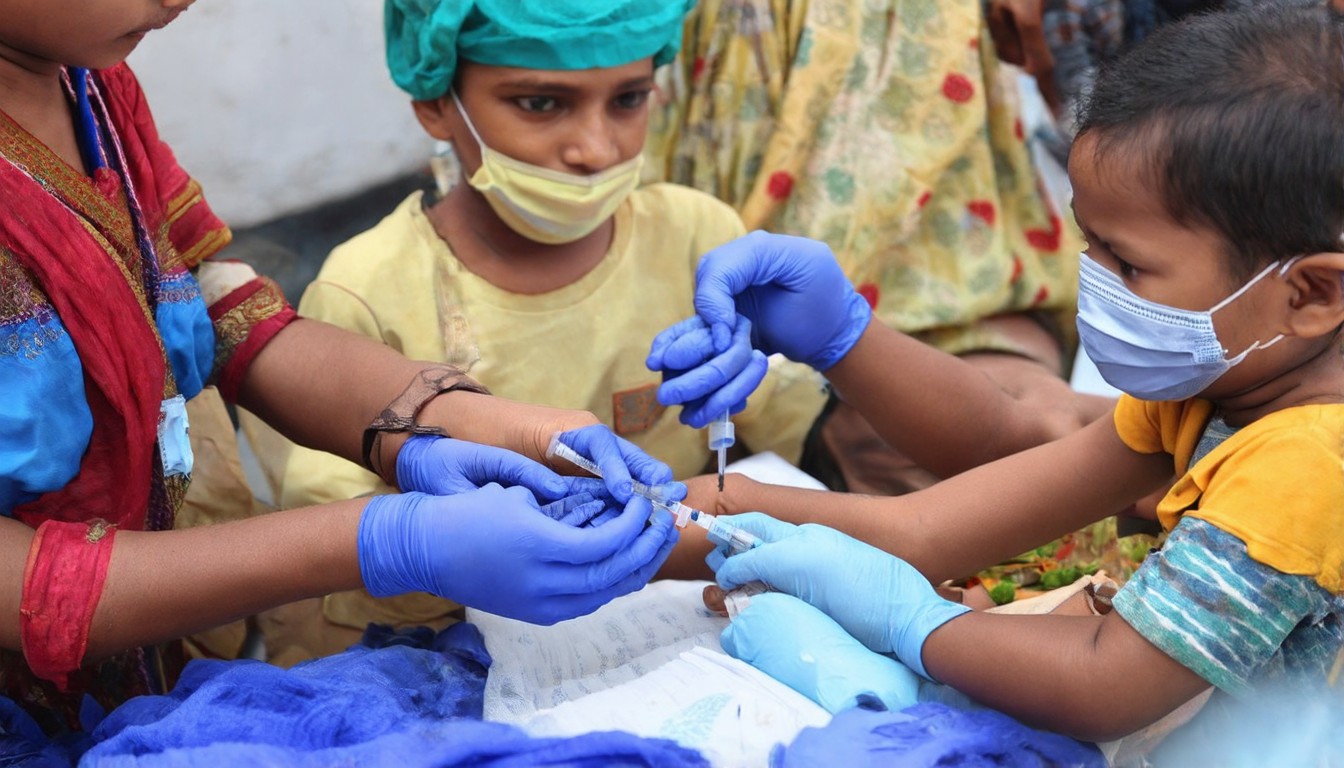
In the wake of a measles outbreak in Bangladesh, emergency vaccination drives have been launched as authorities struggle to contain the spread of the disease. Since mid-March, more than 100 people, predominantly children, have died from measles, prompting urgent public health responses. The situation has raised alarming concerns about the effectiveness of vaccination campaigns and the vulnerability of underprivileged communities to preventable diseases.
The outbreak has been concentrated in rural areas, particularly in the Sylhet and Mymensingh districts, where healthcare infrastructure is already strained. Local health officials have reported a sharp increase in measles cases, with many children presenting with severe complications such as pneumonia and encephalitis. The death toll is expected to rise as the disease continues to spread, particularly among unvaccinated children.
The Bangladeshi government has responded swiftly, mobilizing medical teams and distributing thousands of doses of the measles vaccine. Community health workers have been deployed to educate families about the importance of vaccination and to administer the vaccine directly in affected areas. However, challenges persist, including limited access to healthcare facilities and vaccine hesitancy among some communities.
The World Health Organization (WHO) has expressed concern over the outbreak and has offered technical assistance to support Bangladesh's efforts. In a recent statement, the WHO emphasized the need for sustained vaccination campaigns and the importance of maintaining high immunization coverage rates. The organization also highlighted the potential link between the measles outbreak and other factors, such as inadequate healthcare systems and poverty, which exacerbate the impact of preventable diseases.
The crisis has drawn attention to the broader issue of vaccine access and distribution in low-income countries. Despite global efforts to eradicate measles, outbreaks continue to occur in regions with insufficient vaccination coverage. In Bangladesh, the government has pledged to increase vaccination rates and improve healthcare infrastructure to prevent future outbreaks.
Community leaders and healthcare workers in the affected areas have called for greater public awareness and cooperation. Many families in rural Bangladesh are unaware of the risks associated with measles, and some have delayed seeking treatment for their children due to financial constraints or cultural beliefs. Efforts to educate communities about the benefits of vaccination are critical to curbing the spread of the disease.
The measles outbreak in Bangladesh serves as a stark reminder of the challenges faced by global health systems in combating preventable diseases. While vaccination is one of the most effective tools for disease control, its success depends on widespread acceptance and accessibility. The situation in Bangladesh underscores the need for continued international support and investment in healthcare infrastructure and public health initiatives, particularly in vulnerable regions.
As the emergency vaccination drives gain momentum, the Bangladeshi government and its partners must work tirelessly to prevent further fatalities and ensure that all children receive the protection they need. The situation in Bangladesh is a call to action for global health communities to prioritize measles eradication and support low-income countries in strengthening their healthcare systems. Only through collective effort can the world hope to eliminate measles and safeguard the health of millions of children.








