
Emergency jabs after 100 children die of suspected measles in a month in Bangladesh
More than 100 people, mostly children, have been killed by measles since mid-March, officials suspect.
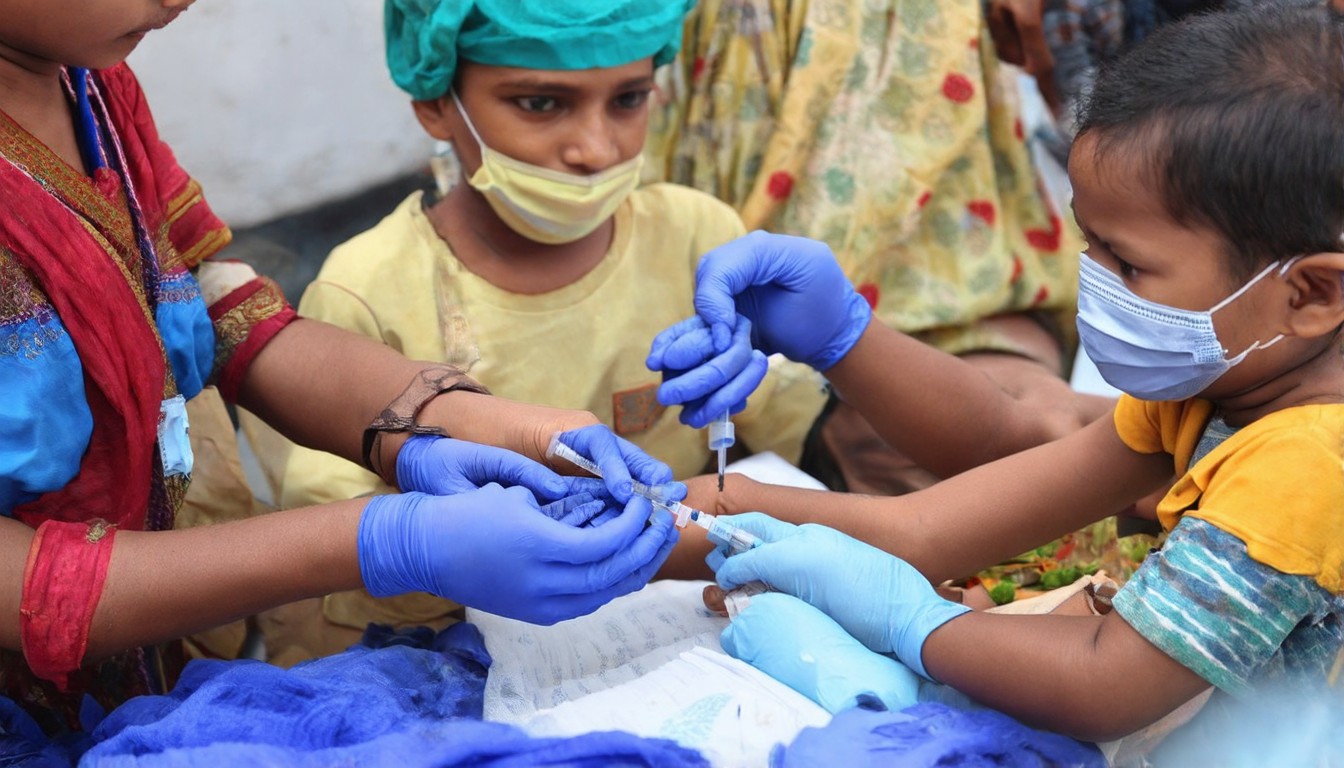
In the wake of a measles outbreak in Bangladesh, emergency vaccination drives have been launched as authorities struggle to contain the spread of the disease. Since mid-March, more than 100 people, predominantly children, have died from measles, prompting urgent public health responses. The government has mobilized resources to administer vaccines to vulnerable populations, particularly in rural areas where healthcare access is limited.
The outbreak has been particularly devastating in the southwestern region of Bangladesh, where local health officials have reported a sharp increase in measles cases. The death toll is expected to rise as the disease continues to spread, with many families unable to access timely medical care. Health authorities have warned that the situation could worsen if the vaccination efforts do not reach enough children in time.
Measles is a highly contagious virus that primarily affects children under the age of five. It can lead to severe complications such as pneumonia, encephalitis, and even death. The World Health Organization (WHO) has long emphasized the importance of vaccination in preventing measles outbreaks, and Bangladesh has made significant strides in immunization efforts in recent years. However, the current crisis highlights the challenges faced by the country's healthcare system, particularly in rural and underserved communities.
The recent spike in measles deaths has raised concerns about the effectiveness of existing vaccination campaigns and the potential impact of misinformation. Some communities may be hesitant to get their children vaccinated due to unfounded fears about the safety of vaccines. Public health officials are working to dispel myths and educate communities about the benefits of immunization.
In response to the crisis, the Bangladeshi government has partnered with international organizations, including UNICEF and the WHO, to bolster vaccination efforts. These collaborations aim to ensure that sufficient supplies of measles vaccines are available and that healthcare workers are trained to administer them effectively. The government has also increased its outreach efforts to reach remote villages and encourage families to get their children vaccinated.
Despite these efforts, challenges persist. Limited healthcare infrastructure, cultural barriers, and logistical difficulties in reaching isolated areas hinder the rapid deployment of vaccines. Health authorities are urging the public to prioritize vaccination for their children and to seek medical advice if they suspect measles.
The measles outbreak in Bangladesh underscores the importance of sustained immunization programs and the need for global cooperation in combating preventable diseases. As the world continues to grapple with the aftermath of the COVID-19 pandemic, measles remains a significant public health threat, particularly in regions with lower vaccination rates.
In the face of this crisis, Bangladesh's healthcare system is working tirelessly to contain the measles outbreak and protect its most vulnerable citizens. The emergency vaccination drives are a critical response to the situation, but long-term solutions will require continued investment in healthcare infrastructure, public education, and international support. Only through collective action can the country hope to prevent further tragedies and safeguard the lives of its children.








